



Aberdeen’s Hydrogen Bus Setback Is a Warning About Backing What Scales
March 5th 2026
Ambition is not the problem. Economics is.
Aberdeen’s decision to withdraw its hydrogen bus fleet is disappointing, but it should not be misread. The lesson is not that net zero has failed. It is that public investment must prioritise technologies that scale commercially, not just technically.
For more than a decade, hydrogen has been promoted as a clean-energy breakthrough for transport. In certain industrial applications, it may yet prove valuable. But in urban bus fleets, the economics have always been difficult.
Producing hydrogen via electrolysis is energy intensive. Electricity is converted into hydrogen, compressed, transported and then converted back into electricity inside a fuel cell. At every stage, energy is lost. By the time it reaches the wheels, significantly more electricity has been consumed than if it had been stored directly in a battery.
In a country with high power prices and stretched public finances, that inefficiency matters.
Hydrogen buses are also expensive to procure and maintain. Refuelling infrastructure is complex and only becomes viable at high utilisation. Smaller fleets, in particular, struggle to achieve the scale needed to bring costs down.
Meanwhile, battery-electric buses have moved decisively beyond the pilot phase. More than 5,000 zero-emission buses are now operating on UK roads, the vast majority of which are battery-electric. Depot charging, while requiring planning and grid coordination, is modular and expandable. Energy efficiency is far higher. Total cost of ownership is increasingly competitive even before environmental benefits are considered.
That is what scaling looks like.
“The energy transition only works if the numbers work,” says Mike Nakrani, CEO of VEV. “In most urban and depot-based use cases, direct electrification is simply more efficient and more commercially sustainable than converting electricity into hydrogen and back again.”
Importantly, electrification is not inherently a burden on the grid. Depot-based fleets are predictable, controllable loads. Vehicles return to base, dwell for long periods and can charge in staggered windows. When charging is actively managed, rather than left to peak hours by default, fleets can integrate renewables, reduce energy costs and avoid unnecessary network reinforcement.
The issue is not electrification itself. It is how intelligently it is planned.
This is not an argument against ambition. Scotland’s renewable resources, engineering capability and climate targets are genuine strengths. But the risk lies in prioritising showcase projects over deployable infrastructure.
Urban buses are a case in point. For fixed routes returning to depots each night, battery-electric technology is mature and increasingly cost-effective. Operators across the UK are investing at scale not because of ideology, but because the operational model is stacking up.
The bigger opportunity now lies beyond buses.
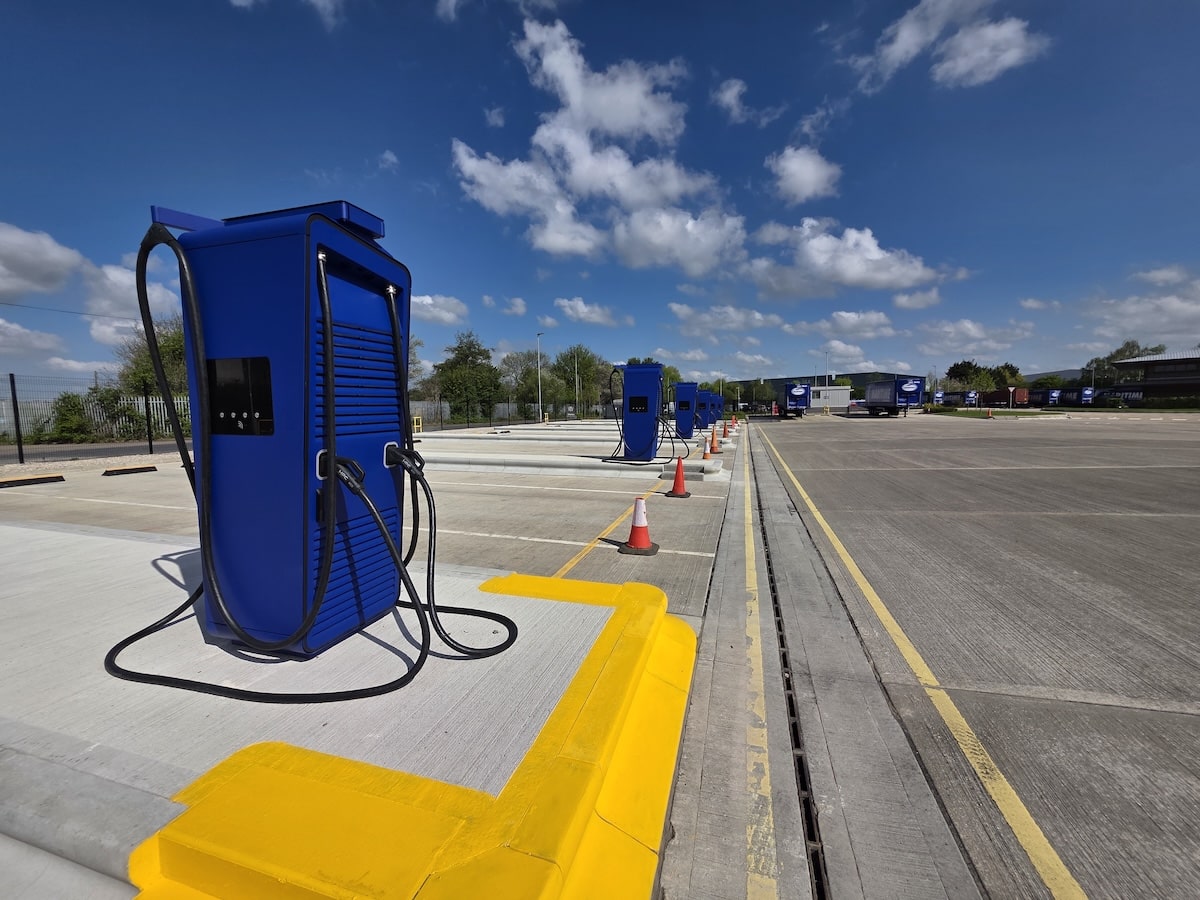
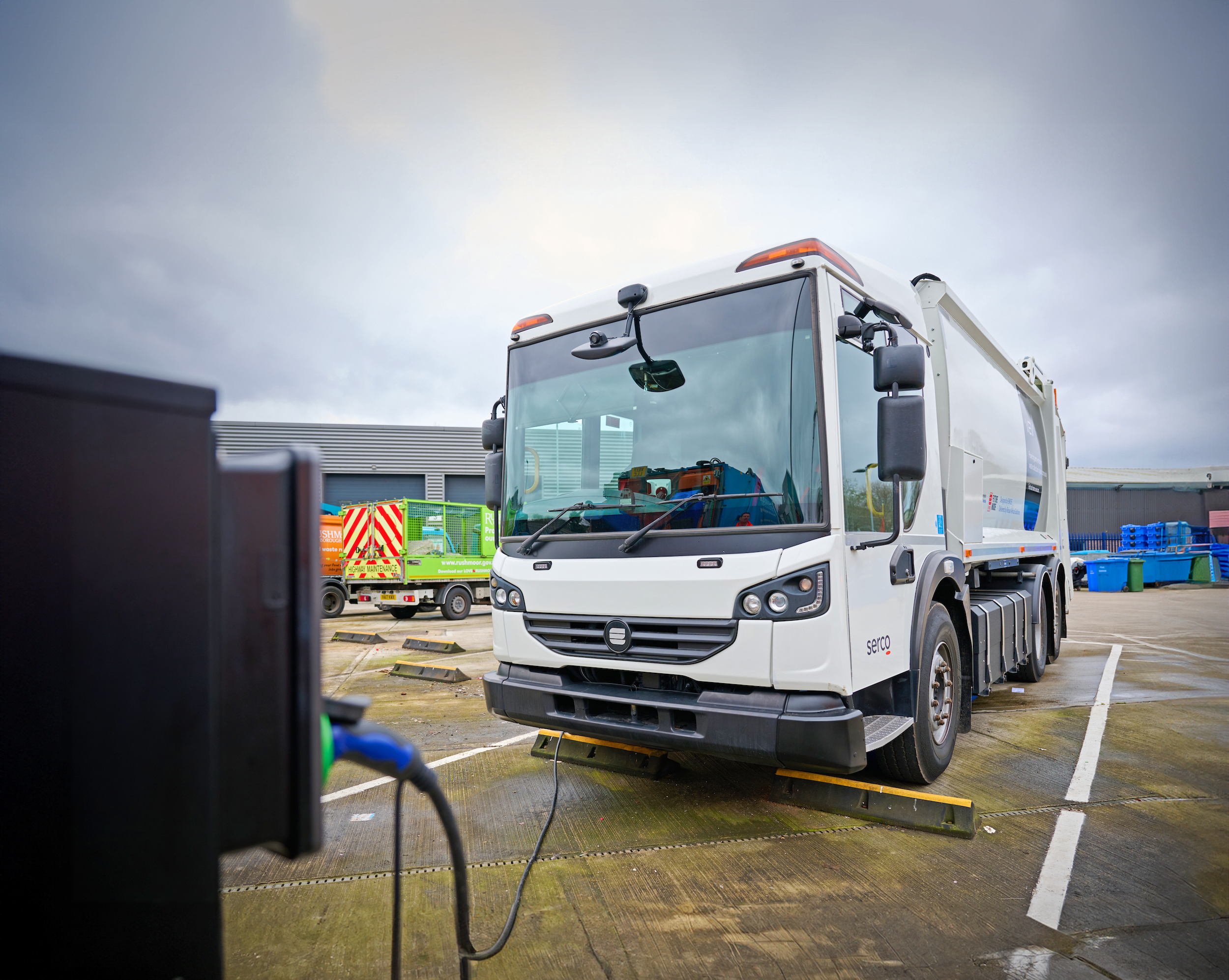
Heavy goods vehicles account for a substantial share of transport emissions. While long-haul freight remains technologically contested, battery-electric HGV pilots for regional distribution and depot-based fleets are already delivering strong operational data. Smart charging, on-site solar and shared depot infrastructure are reducing exposure to volatile power prices and shortening payback periods.
Projects delivered with operators including Stagecoach and Kinchbus have shown how integrating grid upgrades, intelligent charging and solar generation can support both bus and electric truck fleets within shared environments, focusing not on demonstration, but on long-term viability.
Scotland’s freight corridors, ports and renewable capacity create a genuine opportunity to lead in depot electrification and smart energy management, provided investment is directed towards systems that can expand sustainably.
Hydrogen may yet have a role in industrial decarbonisation or in specific heavy-transport niches. But city buses were always a demanding proving ground.
Aberdeen’s experience should not dampen ambition. It should sharpen focus.
The transition to zero-emission transport is underway. The critical question is not whether change will happen, but which technologies can move from pilot to mass deployment without continuous subsidy.
The lesson from Aberdeen is straightforward: net zero succeeds when scalable economics lead the way.