





Quick Summary
- EV fleets aren’t just a transport asset – they’re a flexible energy asset that can generate new revenue.
- The Capacity Market pays depots for being available to reduce demand during grid stress events.
- Participation does not require changing fleet operations when managed through intelligent charging.
- With VEV-IQ, flexibility is automated, fleet-first, and handled end-to-end – no third-party aggregators or manual processes.
- Revenue from the Capacity Market can materially improve total cost of ownership and accelerate electrification ROI.
Rethinking EV fleets as energy assets
Most fleet operators think about electric vehicles in the same way they think about fuel: a cost line, a procurement decision, a compliance requirement. One of the most common questions when discussing fleet electrification is: how does total cost of ownership compare to the ICE equivalent?
It’s true that, without subsidies, electric vehicles often carry a higher upfront cost. But when you factor in fuel savings, reduced maintenance and lower downtime, the picture begins to shift.
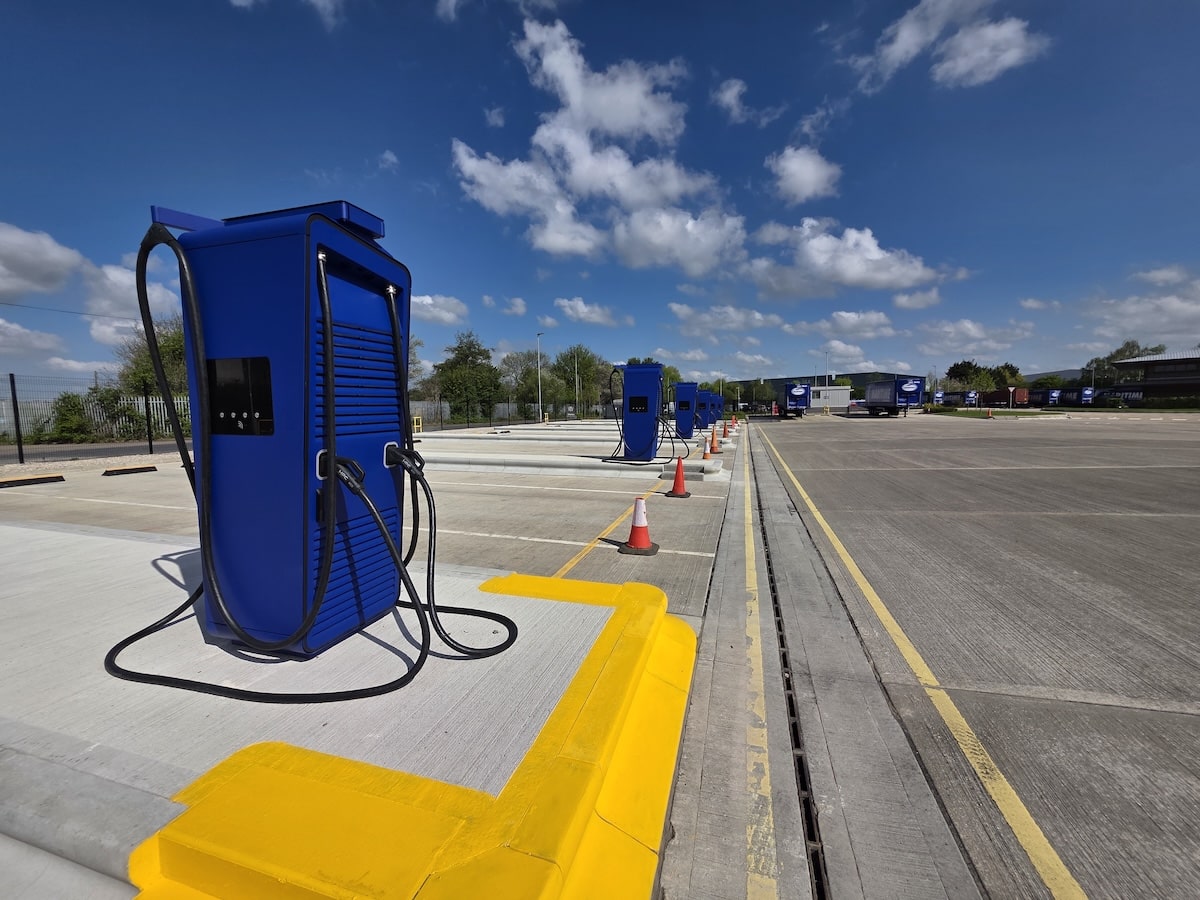
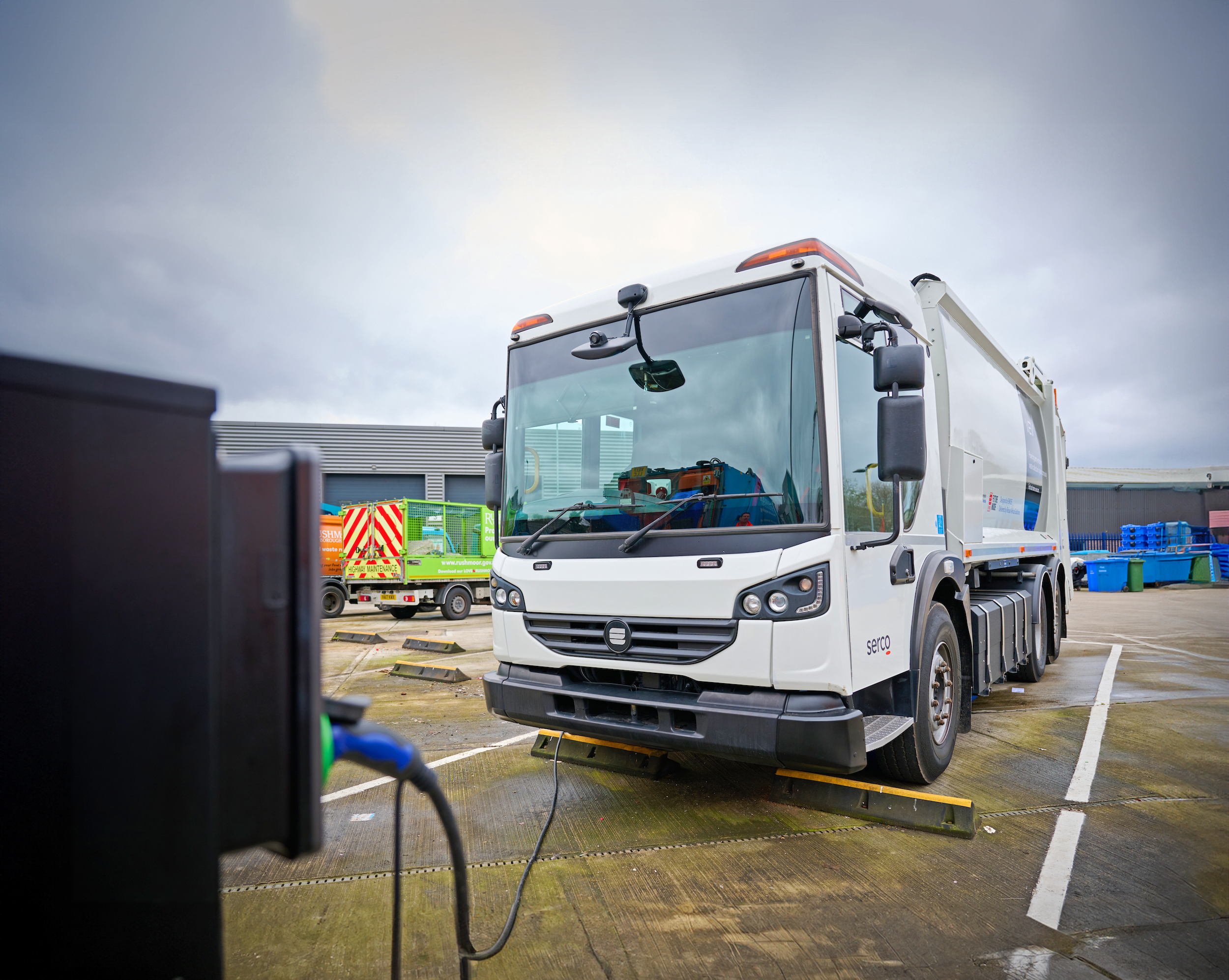
There’s another factor that’s often overlooked: energy flexibility. The reality is, if you’re operating an EV fleet – especially with depot charging – you’re already sitting on one of the most valuable types of energy asset the grid can access: a large, flexible electrical load.
With VEV-IQ, fleets can participate automatically in flexibility markets to unlock a new revenue stream, and stay fully protected operationally – no manual processes, no third-party aggregators, and no disruption to operations.
One such flexibility market is known as the Capacity Market, and is proving a reliable revenue stream for EV Depots.
What is the capacity market?
The Capacity Market exists to ensure security of supply – acting as a safety net when demand spikes or supply tightens.
It provides a government-backed, guaranteed revenue stream to participants in exchange for being available during system stress events. That revenue certainty makes new generation capacity financeable – but increasingly, it also supports flexible demand.
The Demand Side Response (DSR) component allows participants to commit to reducing demand when called upon. This is where EV depot charging can participate – by turning down load and providing capacity to the grid when it’s needed most.
Your EV fleet is an energy asset (whether you treat it like one or not)
Most depot charging schedules include slack because vehicles arrive, plug in, and charge across a multi-hour window. In many depot environments, infrastructure is designed so that not every charger must operate at full power continuously to achieve operational readiness. That built-in headroom creates flexibility, and that flexibility has value.
EV charging depots share several characteristics with established flexibility assets:
- Scale: Fleet depots can operate at significant load levels, particularly where multiple vehicles charge simultaneously.
- Predictability: Charging typically takes place within defined windows, often overnight, with known departure times and required state of charge
- Flexibility: Vehicles commonly plug in across multi-hour windows with only a fraction of that used to charge the vehicle, meaning charging can often be paused, reduced or shifted within operational limits.
Capacity Market participation isn’t about changing your fleet operations. It’s about using the flexibility that’s already built into the way fleets charge. By enrolling through VEV, fleets can unlock a new revenue stream from assets they already own, helping to offset electrification costs and improve total cost of ownership.
How does the Capacity Market work?
Participants commit to being available during periods of system stress and are paid for that availability – not for the energy they generate or consume.
If NESO anticipates a supply shortfall, it can issue a stress event notice. With 4 hours of notice, participating assets must then either provide additional power or reduce demand (Demand Side Response, DSR).
There are two main auctions each year:
- T-1: commit capacity for the year ahead
- T-4: commit capacity four years ahead
This provides certainty for the grid in both the short and medium term – and allows participants to lock in revenue several years in advance which helps support investment in new infrastructure.
And the good thing is, you get paid for your commitment to be available – regardless of whether a stress event actually occurs.
What kind of returns are we talking about?
Capacity Market participation can be a material new revenue stream – the kind that helps electrification pay for itself faster.
Auction clearing prices vary year to year, as do derating factors. A depot of 50 electric buses may typically have a grid connection of 2.5 MVA, and so based on historical clearing prices and derating factors you might expect to earn £37k/year in the T1 auction and £112k/year in the T4 auction.
It also creates a strategic advantage. Early entry (e.g. participating in both the T-1 and the T-4 auctions) allows fleets to secure capacity agreements and lock in revenue for future delivery years.
That’s not a future promise. That’s what happens when flexible depot charging is treated as the asset it is – and when the market participation layer is handled properly.
By enrolling through VEV, fleets can unlock a new revenue stream from assets they already own, helping to offset electrification costs and improve total cost of ownership.
That’s important for participation?
-
Fleet-first control: Ensuring your vehicles are ready
The biggest fear fleets have with grid participation is simple: what if my vehicles aren’t charged? That concern is valid – and it’s exactly why automation and fleet-aware control matter.
If a stress event is called, participants are expected to reduce their demand at a certain time to help the grid, and whilst in most cases this can be managed within your available flexibility window, sometimes there may be a trade off: participation or ensuring your vehicles are ready for operation
At VEV, we believe in giving every depot visibility and control of their infrastructure. Within VEV-IQ, by flagging where participation may impact operations and providing the depot the autonomy to make a decision
-
Zero operational disruption: Participation without changing your plans
When a stress event is called, charging needs to respond. However, without an intelligent charging platform this may rely on manual intervention; for example, someone unplugging chargers at the start of the event, and re-plugging once the event has ended. That’s disruptive, error-prone, and not scalable.
When a stress event or mandatory testing event occurs, VEV-IQ automatically turns down charging in a controlled way, then ramps it back up afterwards – all while ensuring vehicles are ready for routes. No one needs to touch a charger. No one needs to monitor dispatch instructions. The depot keeps running as normal.
-
One partner, no complexity
Energy markets are not designed for fleet operators. Registration, compliance, testing, dispatch rules – it’s a lot, and it’s not where you want your team spending time.
That’s why VEV offers market participation. You don’t need a third-party aggregator. You don’t need multiple contracts or conflicting priorities. VEV acts as your single point of contact for both:
- Fleet optimisation and charging performance with VEV-IQ
- Energy market participation and revenue.
We handle the complex pieces end-to-end – registration, testing, dispatching, data reconciliation and submission – so your team can focus on running a fleet, not running a market program.
One piece of the Jigsaw: set up now, stack value later
When it comes to energy cost management and revenue generation, there isn’t one silver bullet, but multiple levers that can be pulled to manage your overall cost of ownership. And what’s even better is that, in most cases, these can be stacked to deliver increasing value.
The same infrastructure and automated control mechanisms that ensure you optimise your fleet outcomes whilst unlocking value from the capacity market, can also be used to access additional flexibility markets such as Demand Flexibility Service (DFS), DNO flexibility opportunities and evolving balancing and ancillary service markets.
In conjunction, depots can operate with smart charging based on their time-of-use energy tariff day-to-day, securing lower cost energy.
The bottom line
If you run depot charging, you already have flexibility. The Capacity Market pays for that availability – but only if you can participate reliably, safely, and without operational disruption. VEV and VEV-IQ makes delivery of your Capacity Market contract practicable: automated control, fleet-first protection, market participation, and market requirements handled end-to-end.
So the question is not whether your fleet can support the grid – it’s whether you want to get paid for it.
Reach out for a bespoke assessment of the opportunity for your EV Fleet and details of VEV’s offer.
25 February, 2026