

Delivering the UK’s first bus franchising network outside London taught me a great deal about what it takes to turn policy into real‑world delivery. It is a complex, demanding and often misunderstood process – but it is also one of the most important levers authorities now have to improve public transport for the people who rely on it most.
What bus franchising is – and why it matters now
Franchising is not public ownership. Services are still delivered by private operators, but authorities set the network, fares, standards and performance requirements. Operators compete for contracts and are responsible for running services reliably and on time.
The key shift is control. Authorities take revenue risk, set the brand and customer offer, and are accountable for the whole network – not just individual subsidised routes. The Better Buses Bill introduces the option for authorities to run buses directly, but no authority has chosen that route so far.
Franchising is widely used internationally and has underpinned London’s integrated network for decades. In Greater Manchester, it has been the mechanism for putting the right levers back into public control so the passenger experience can improve over time.
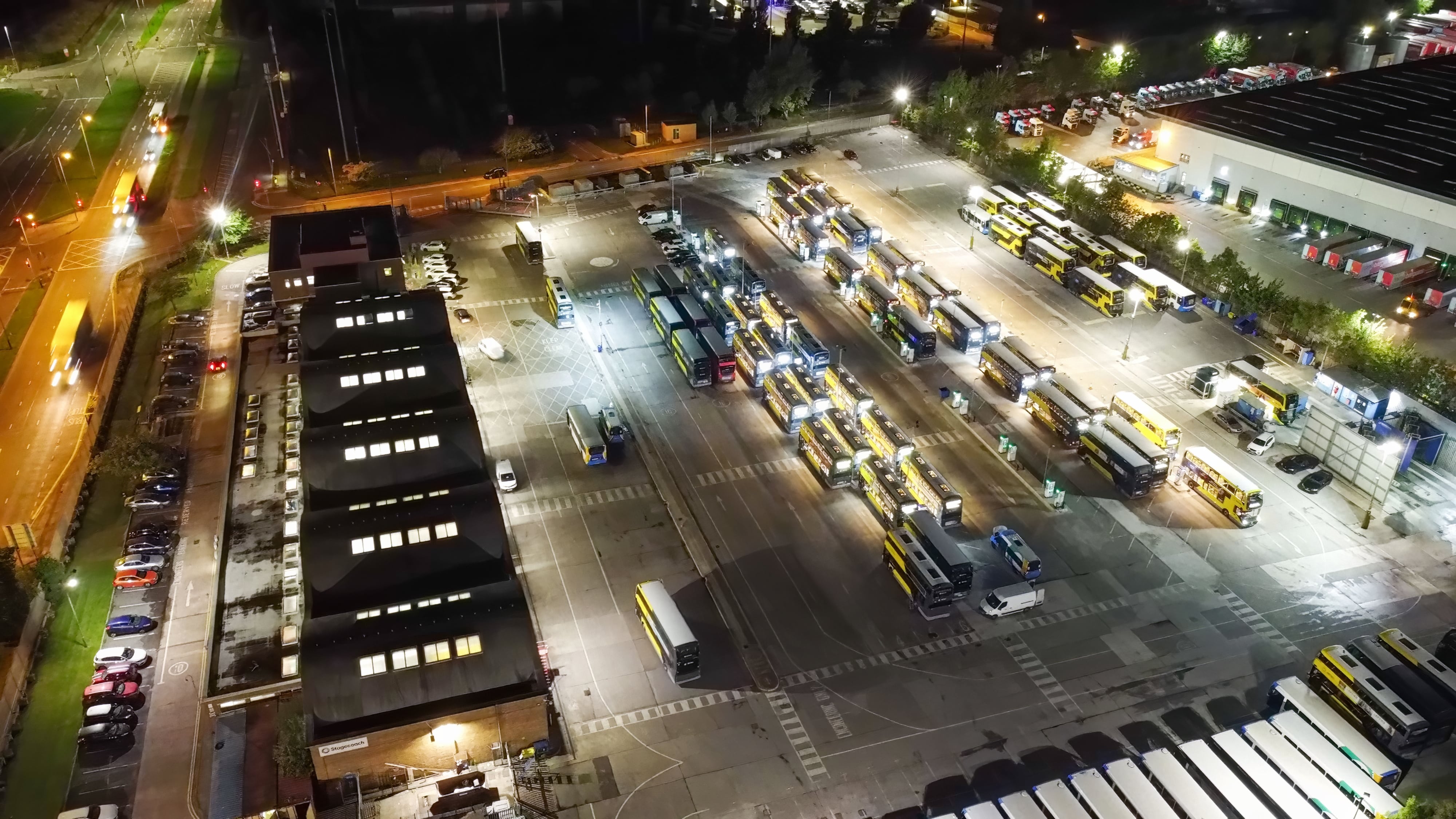
Franchising is not essential for electrification, but it can accelerate it. In Greater Manchester, combining franchising with ZEBRA funding meant five depots (50%) were electrified from the outset, increasing the zero‑emission fleet from 2% to 20% in just 18 months.
Buses remain the most flexible and socially important mode of public transport. Improving them is central to supporting communities and shifting more journeys away from the car.
The practical challenges of delivery at scale
The Transport Act 1985 deregulated bus services outside London, shifting responsibility for routes and fares to operators. Over time, this has led to reduced provision in some areas and greater reliance on subsidy to maintain essential services.
Franchising reverses this, but the transition is not straightforward. It requires authorities to take on responsibilities they have not held for nearly 40 years, while maintaining day‑to‑day operations throughout. These challenges are not theoretical – they show up in daily delivery.
Energy, technology and skills
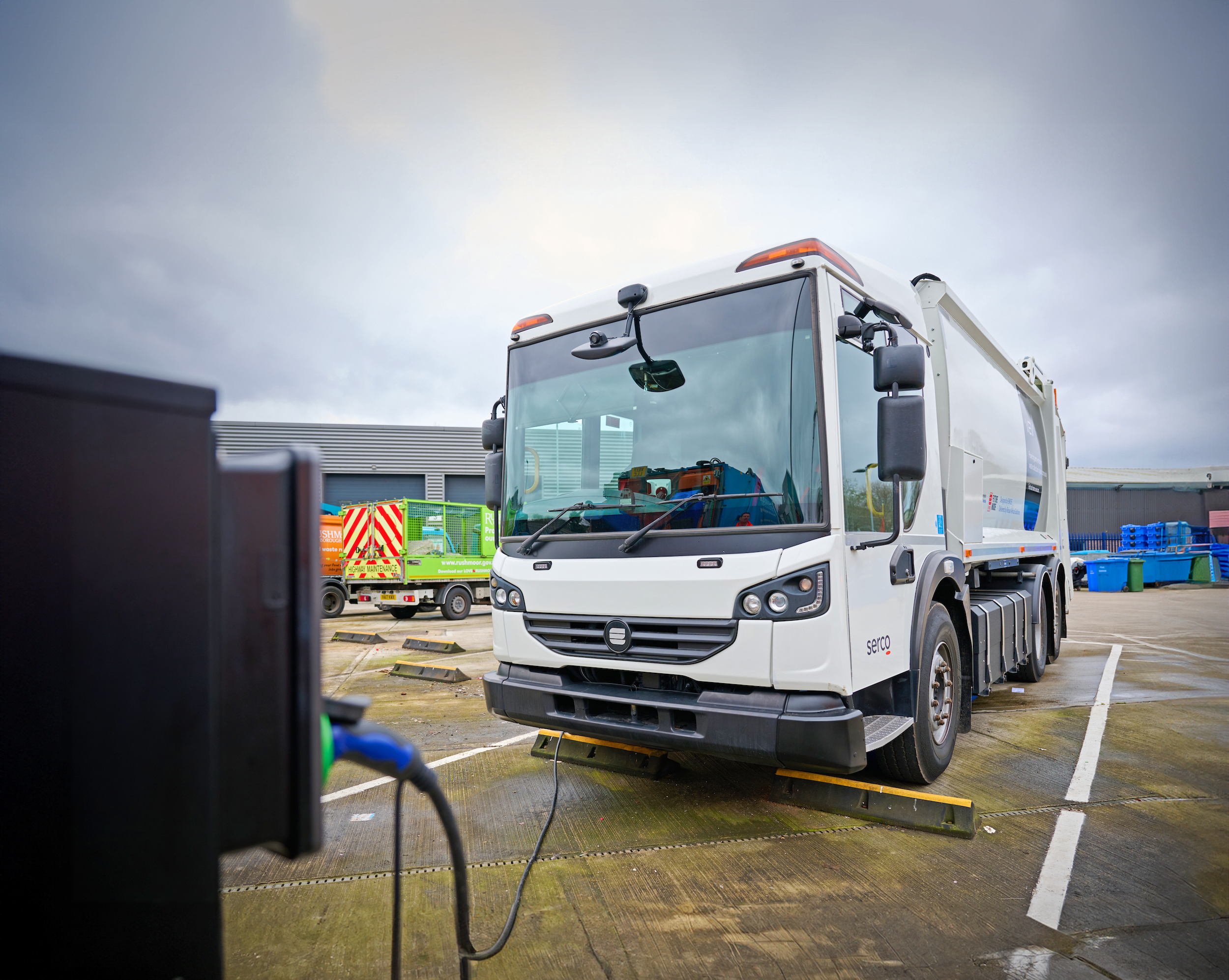
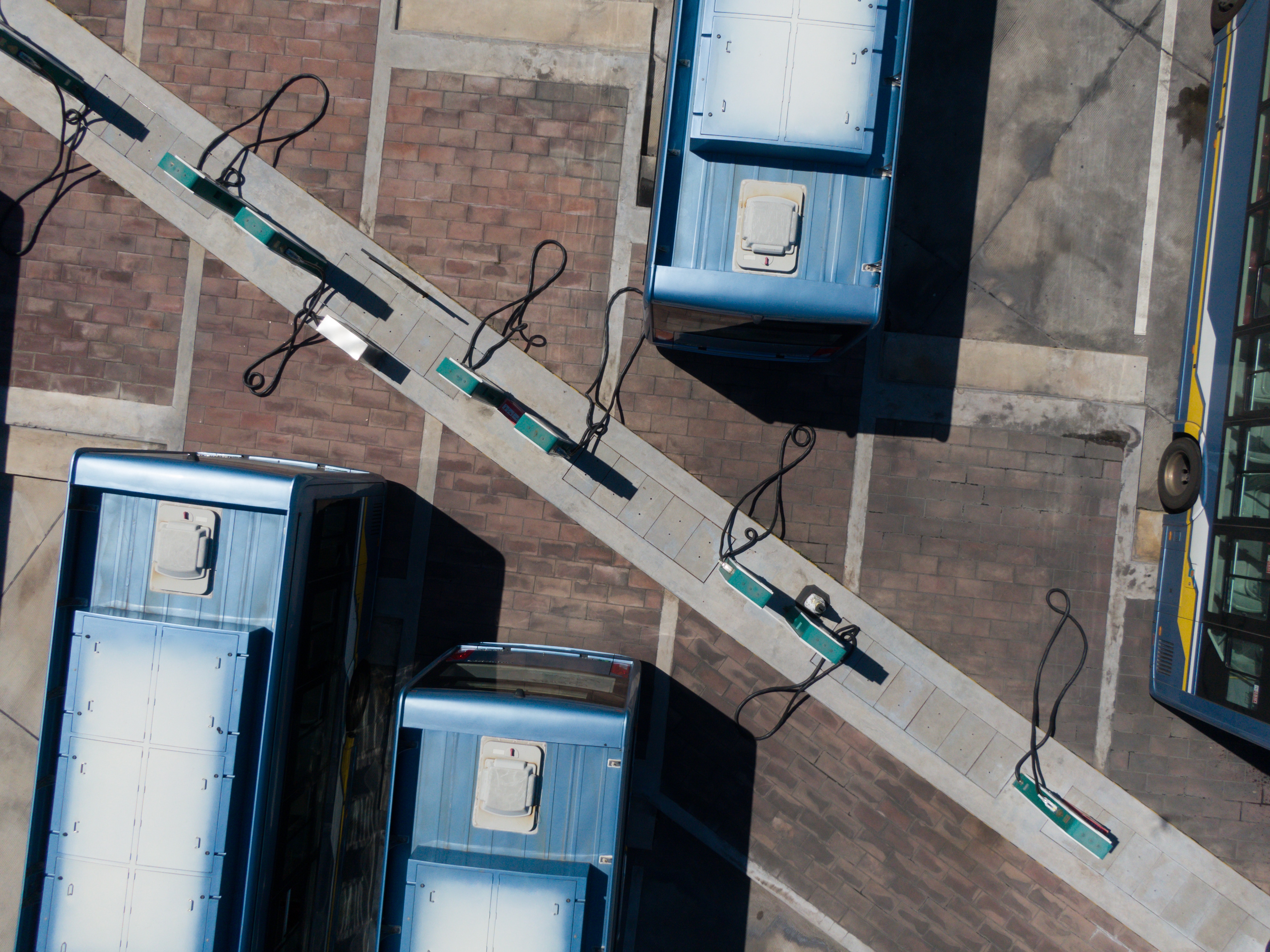
Electrification brings its own constraints. Grid capacity and connection times can limit the pace of change. Many depots were not designed for large‑scale charging infrastructure, and installing it can reduce operational space.
Technology is improving quickly, but keeping pace – in both infrastructure and capability – is demanding. Authorities increasingly need skills in data, performance, energy management and commercial oversight.
Supply chain capacity and long‑term policy certainty also shape what can be delivered, and how quickly.
Delivery complexity
Depot acquisition and electrification are good examples of the practical challenges. Authorities often acquire depots from operators who may not know whether they will retain those sites under franchising. Outgoing operators, incoming operators and infrastructure partners can all be working in the same space at the same time.
Keeping services running reliably while construction and mobilisation take place requires careful coordination and strong relationships. Many depots are older, space‑constrained and not designed for electrification, which adds further complexity.
Franchising is therefore not just a policy shift – it is a major delivery programme involving multiple organisations, disciplines and physical assets.
How franchising changes funding and control
Franchising changes how funding flows through the system. Authorities already subsidised services before franchising; the difference now is that subsidy is applied at network level rather than route by route.
Authorities take fare revenue and can reinvest it into the network. They also gain greater control over performance, fares, customer experience and integration with other modes.
What actually improves the passenger experience
Although buses account for around 75% of public transport journeys, they are often most relied upon by people without access to a car. Improving patronage means improving both reliability and the customer experience.
In Greater Manchester, franchising has enabled a more accessible fleet, simpler fares, a unified brand and a stronger performance regime. By January 2025, around 60% of the fleet had been replaced with new buses, zero‑emission vehicles had increased from 2% to 20%, and five depots had been electrified.
Passenger sentiment is improving. Independent research shows Greater Manchester bucking national trends on value for money and overall satisfaction.
Franchising as long‑term system transformation
One of the biggest lessons from Greater Manchester is that franchising is not an operational handover – it is a whole‑system transformation.
Authorities move from setting policy to designing networks, specifying standards, managing performance and taking accountability for delivery. That requires new skills, new operating models and new ways of working.
This is why franchising must be approached as a system change, not simply a procurement exercise.
Scaling the model across the UK
The strategic intent, investment and policy framework are in place. The focus now is on delivery – and delivery depends on partnership. Franchising gives authorities more control, but operators, suppliers, manufacturers and infrastructure partners remain essential.
Greater Manchester provides one example of what is possible. The next step is applying these approaches more widely to build modern, integrated, value‑for‑money transport systems that support sustainable travel choices across the UK.
About the Author
Until recently, I was Chief Transformation Officer at Transport for Greater Manchester, responsible for delivering bus franchising and the Bee Network for the Combined Authority and the Mayor – completed in January 2025.
My background is not originally in transport. I specialise in change, transformation and delivery, and was brought in because of my experience leading major programmes and designing operating models that help authorities use new powers effectively. Vision and investment matter, but without the capability to execute, transport transformation is difficult to deliver in practice.
Having delivered franchising and the Bee Network, I now support authorities across the UK to turn ambition into delivery and build the capability needed to make long‑term change stick.
If you’d like to find out more about bus franchising, then get in touch at ask@vev.com.
20 May, 2026