


Grid connections delivered with greater control
VEV is a NERS-accredited ICP designing and delivering compliant HV/LV grid infrastructure, substations and contestable works for complex, high-demand sites.
Bringing high-voltage power to your site - safely, compliantly and on time
Grid connections are often where projects slow down. Delays in approvals, misaligned designs and coordination gaps can all affect programme, cost and delivery risk.
As an accredited Independent Connection Provider, VEV designs and delivers the infrastructure required to connect your site to the electricity network. We take responsibility for the contestable elements of the connection, helping to ensure high-voltage power is delivered safely, approved by the network operator and aligned to your build programme.
For complex developments, this gives project teams greater control from connection design through to energisation, reducing avoidable delay, rework and delivery uncertainty.
What VEV delivers as your ICP
VEV is responsible for the design and delivery of the infrastructure required to energise your site. This covers the high-voltage and low-voltage connection infrastructure, route engineering, substations, cabling, protection systems and the coordination required to take the connection through approval, installation and energisation.
In practice, we manage the process from initial design through to installation and final connection, aligning regulatory requirements, construction constraints and project timelines.
This means your connection is:
- Compliant with network standards
- Safe and practical to install
- Designed around site constraints and construction sequencing
- Coordinated with the DNO or IDNO approval process
- Approved and energised without avoidable delay
Designed for delivery, not just approval
A grid connection can meet every technical requirement and still create issues during delivery. This is where projects typically lose time: when approved designs do not translate cleanly into construction.
VEV approaches connection design with delivery in mind from the outset. We consider how infrastructure will be installed, how cable routes interact with site constraints, how substations and associated civil works fit within the development, and how the connection aligns with construction sequencing and phasing.
This reduces the risk of:
- Redesign during construction
- Programme delays caused by install issues
- Unexpected constraints on site
- Late-stage changes that affect energisation
Why grid connections create project risk
Grid connections sit across multiple organisations, including developers, consultants, contractors, network operators and site operators. Without clear ownership, risk appears at several points in the process.
On high-demand or phased developments, these issues can delay energisation and disrupt wider programme delivery. By taking responsibility for the contestable works, VEV provides a clearer delivery structure, reducing fragmentation and improving control across the connection process
Common challenges include:
- Delays in DNO approvals and acceptance
- A disconnect between approved design and on-site delivery
- Infrastructure that proves difficult to install in practice
- Coordination gaps between project stakeholders
- Capacity constraints that affect phasing or energisation dates
Where VEV is different
Designed to be approved and delivered
Many ICP projects focus primarily on achieving approval for the connection. VEV focuses on ensuring the connection can be approved, installed and energised successfully within the context of a complex project.
Built for phased, power-constrained sites
We typically work on sites where infrastructure is delivered in phases, grid capacity is constrained and multiple stakeholders need to be aligned to achieve energisation. That experience shapes how we approach both design and coordination.
Designed around how the site will work
Rather than treating the connection as a standalone asset, we consider how the site will actually be built, energised and used. This allows us to anticipate issues earlier, plan for future demand and reduce the risk of costly changes later.
Coordinated with the wider build
VEV coordinates grid connection works with wider infrastructure and construction activity, helping ensure the connection supports the overall development rather than becoming a separate workstream that creates downstream challenges.
Who we work with
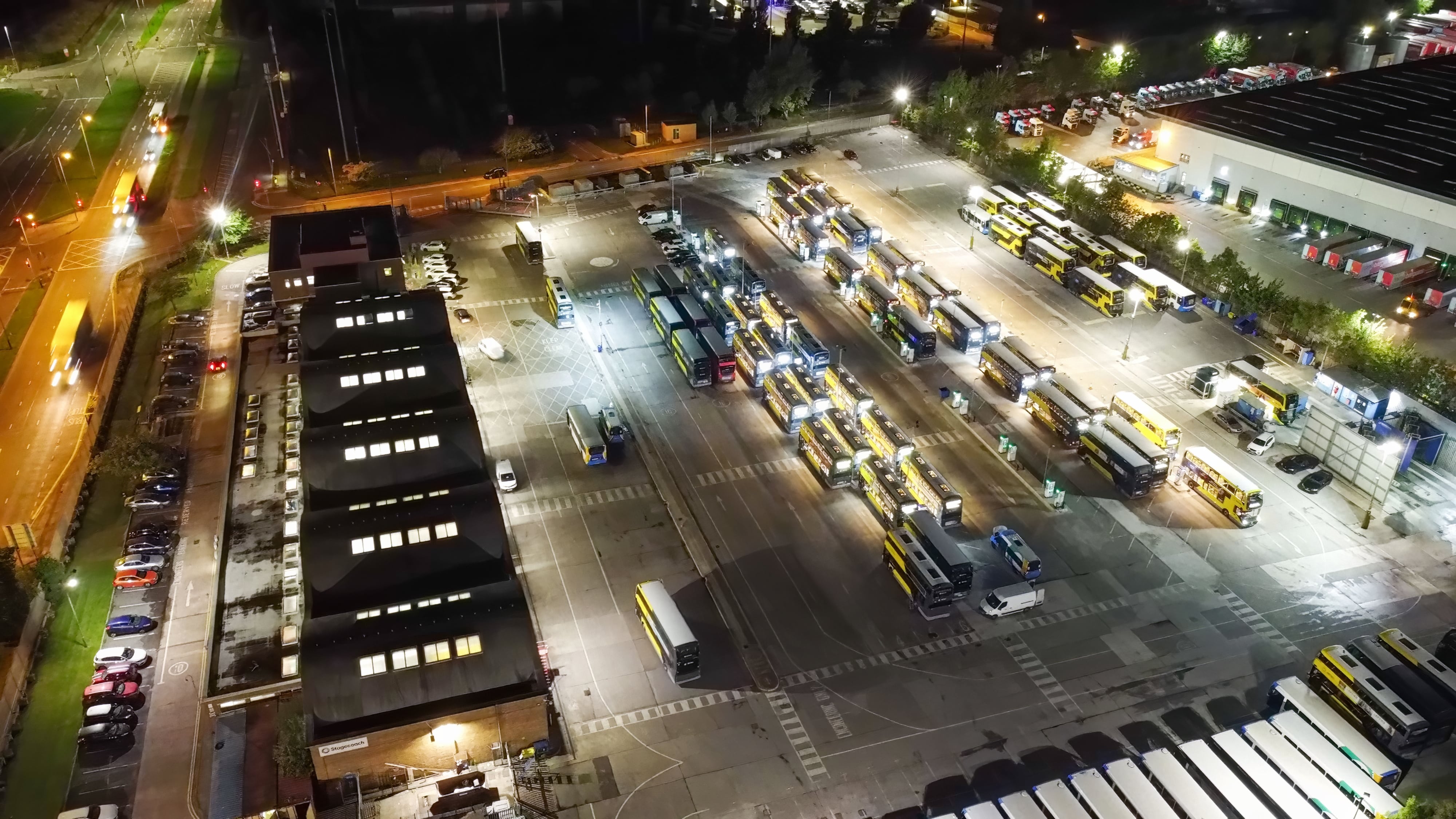
VEV delivers ICP services for organisations developing, operating or upgrading high-demand sites where grid capacity, phasing, safety and programme certainty are critical.
Who
Warehouse parks, strategic land developments, port-led developments and industrial sites.
How we support?
We help unlock constrained locations, design phased connections and plan infrastructure around future occupier demand.
Who
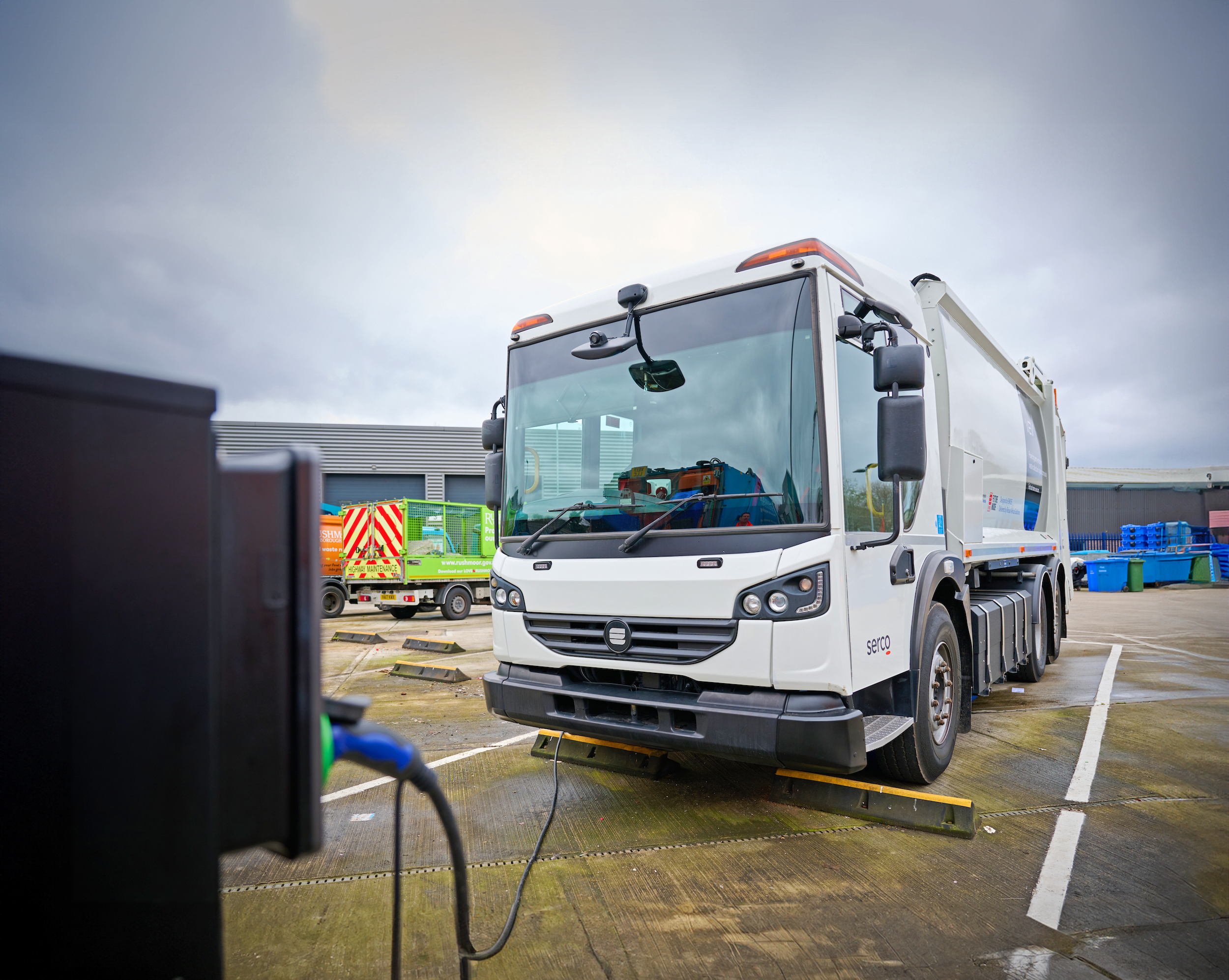
Depot electrification, charging hubs and multi-site rollout programmes.
How we support
We design infrastructure around real charging demand, duty cycles and operational constraints, helping operators deploy without unnecessary delay from grid constraints.
Who
Distribution centres, fulfilment sites and urban logistics operations.
How we support
We align connection infrastructure with building load, fleet charging demand and future operational growth.
Who
Large, complex and regulated transport environments.
How we support
We support high-capacity infrastructure delivered in phases, coordinating grid connections across fleets, buildings, operational systems and wider site constraints.
Who
Manufacturing, cold storage and mixed-use industrial environments.
How we support
We integrate building, process and fleet demand so infrastructure is flexible, compliant and easier to scale over time.
Working across the project lifecycle
A successful grid connection depends on alignment between all parties involved in the project. Developers, investors, consultants, contractors, operators and network operators all have different responsibilities, constraints and timelines.
VEV provides a single point of coordination across this process, keeping design, approvals, construction and energisation aligned from early-stage planning through to handover.
This reduces fragmentation and gives clients greater confidence that the grid connection will not become a bottleneck in the wider project.

Why choose VEV as your ICP
VEV provides a level of control and coordination that is difficult to achieve through a fragmented delivery model.
For clients, this means greater confidence that the grid connection will be delivered safely, approved efficiently and aligned to the overall project timeline.
By taking responsibility for the contestable works, we help you:
- Improve programme certainty through better coordination
- Reduce reliance on multiple delivery parties
- Align design, approvals and construction from the outset
- Minimise the risk of delays and redesign
- Plan infrastructure around how the site will actually be built, energised and used
- Integrate grid, charging and on-site energy considerations where demand requires it
Our ICP capability includes
- HV and LV design
- New substations
- Cable installation and associated civil works
- Protection and control systems
- DNO and IDNO coordination
- Applications, approvals and programme sequencing
- Installation, commissioning, energisation and handover
- Phased energisation and capacity strategies
- Integration with charging, battery storage, solar, microgrid and demand management systems where required
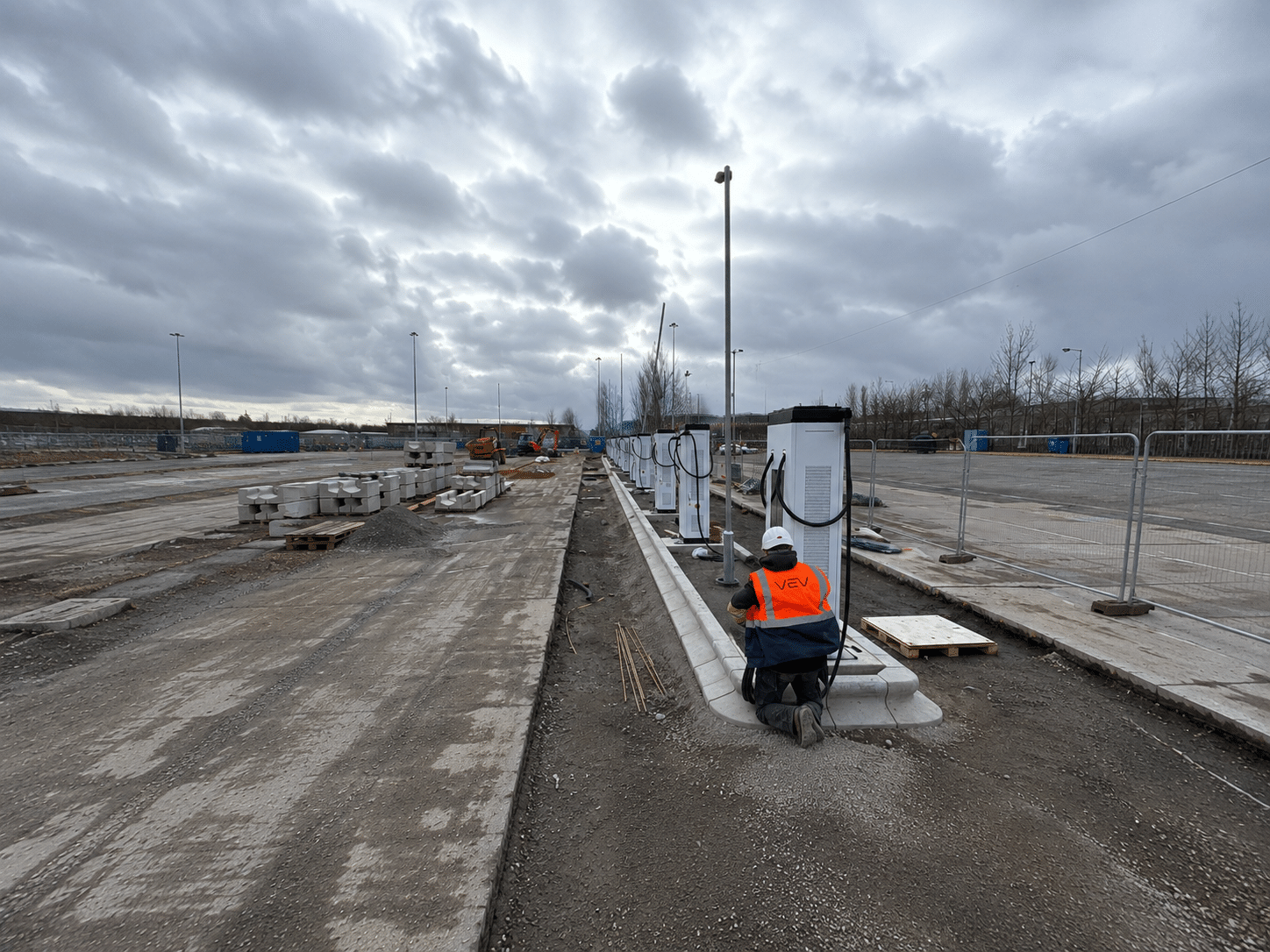
"As a NERS-accredited ICP, VEV delivers high-voltage and low-voltage infrastructure as part of the grid connection process. This includes substations, cable installation, protection systems and associated civil works, with capability across connections up to 11kV and support for 33kV projects."
Chris O'Sullivan
VP Engineering & Operations
Grid connection FAQs
What is an ICP grid connection?
An ICP grid connection is delivered by an Independent Connection Provider. An ICP designs and installs the contestable infrastructure required to connect a site to the electricity network, including high-voltage systems, substations, cabling and associated works.
What does an Independent Connection Provider do?
An Independent Connection Provider designs and delivers the contestable parts of a grid connection. This can include design, engineering, civil and electrical works, installation, commissioning and coordination with the relevant DNO or IDNO.
When should you use an ICP?
You should consider using an ICP when developing or upgrading a connection where programme certainty, delivery control, technical coordination and speed to energisation are important. ICPs are commonly used on complex, high-demand or phased developments.
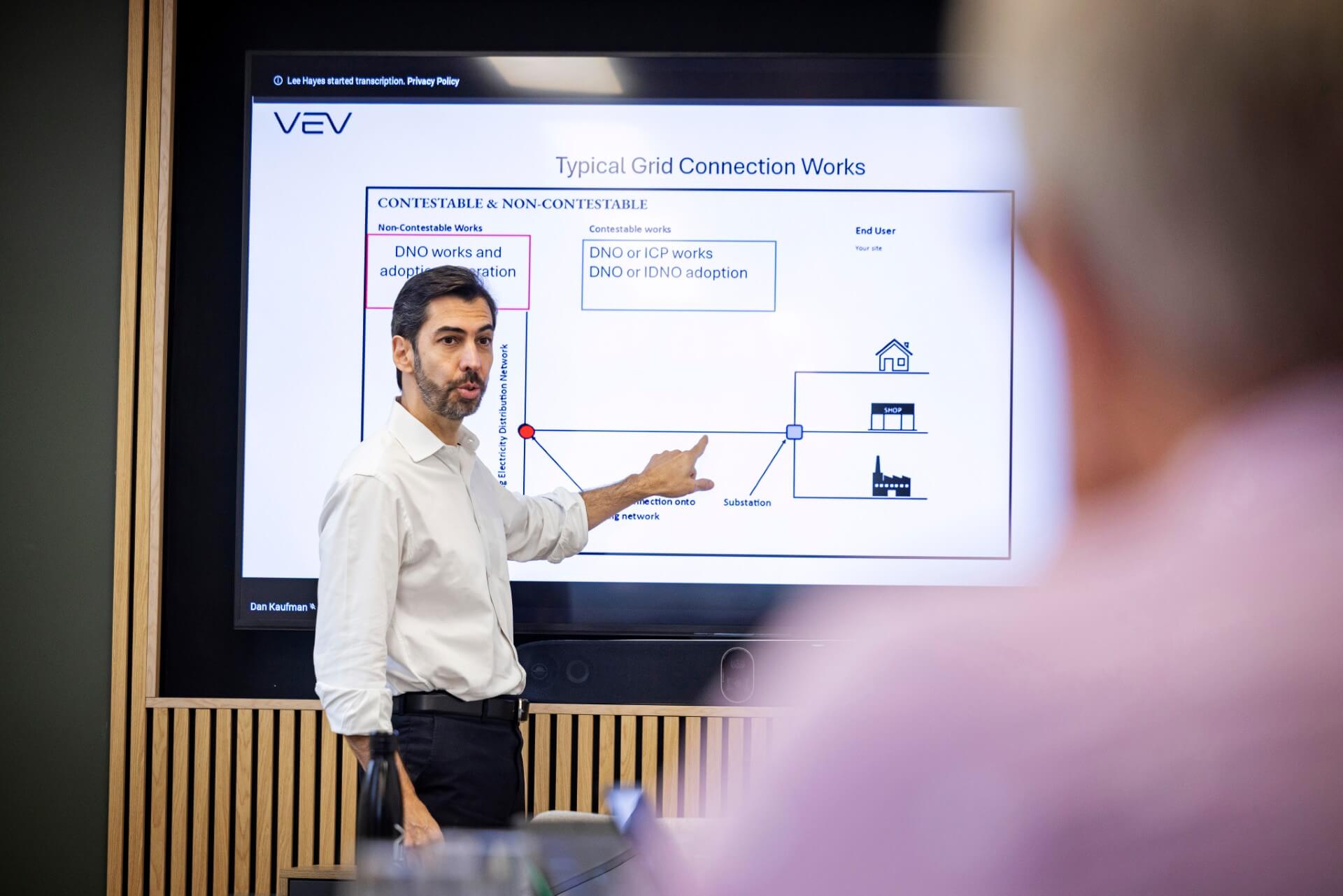
What are contestable works?
Contestable works are the parts of a grid connection that can be delivered by an accredited ICP rather than the distribution network operator. These typically include the design and installation of connection infrastructure such as cables, substations and associated electrical works.
What is the difference between contestable and non-contestable works?
Contestable works can be delivered by an accredited ICP. Non-contestable works must be carried out by the DNO or network operator, such as final connection to the existing electricity network. VEV coordinates with network operators to manage the interface between both workstreams.
How long does a grid connection take?
Timelines vary depending on site complexity, network capacity and approvals, but early coordination and clear ownership can significantly reduce delays.
Can VEV support phased developments?
Yes. VEV supports phased developments where capacity, construction sequencing and future demand need to be carefully managed. We design infrastructure so sites can be energised in stages and scaled as operational demand increases.
Can VEV support high-demand fleet or industrial sites?
Yes. VEV works with logistics, fleet, transport, warehouse, industrial and commercial sites where power demand is high or expected to grow. We design grid infrastructure around real operational demand, including building load, process load and charging requirements.
How does VEV ensure grid connections meet DNO, iDNO, design and safety requirements?
VEV manages the regulated grid connection process on behalf of the client, from securing connection points and progressing approvals through to meeting design and safety standards, coordinating with DNOs and iDNOs, and managing energisation and handover.
Download this resource now
Please fill out the form below to download.