

VEV response to UK HGV decarbonisation consultation.
19th March 2026
VEV has submitted this week its response to the Department for Transport (DfT) and the Department for Energy Security and Net Zero (DESNZ) consultation on a new regulatory framework for heavy goods vehicle (HGV) CO₂ emissions.
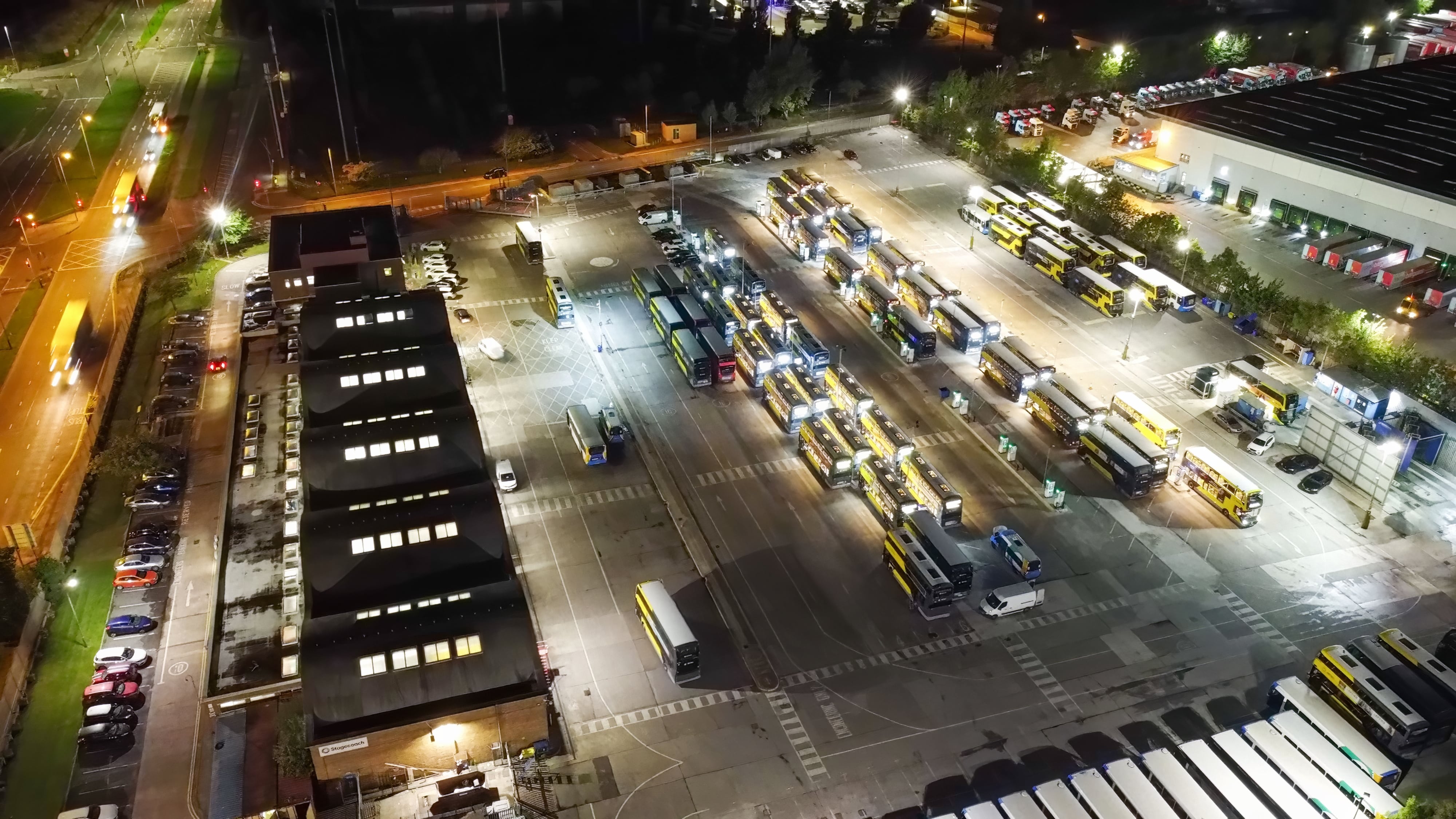
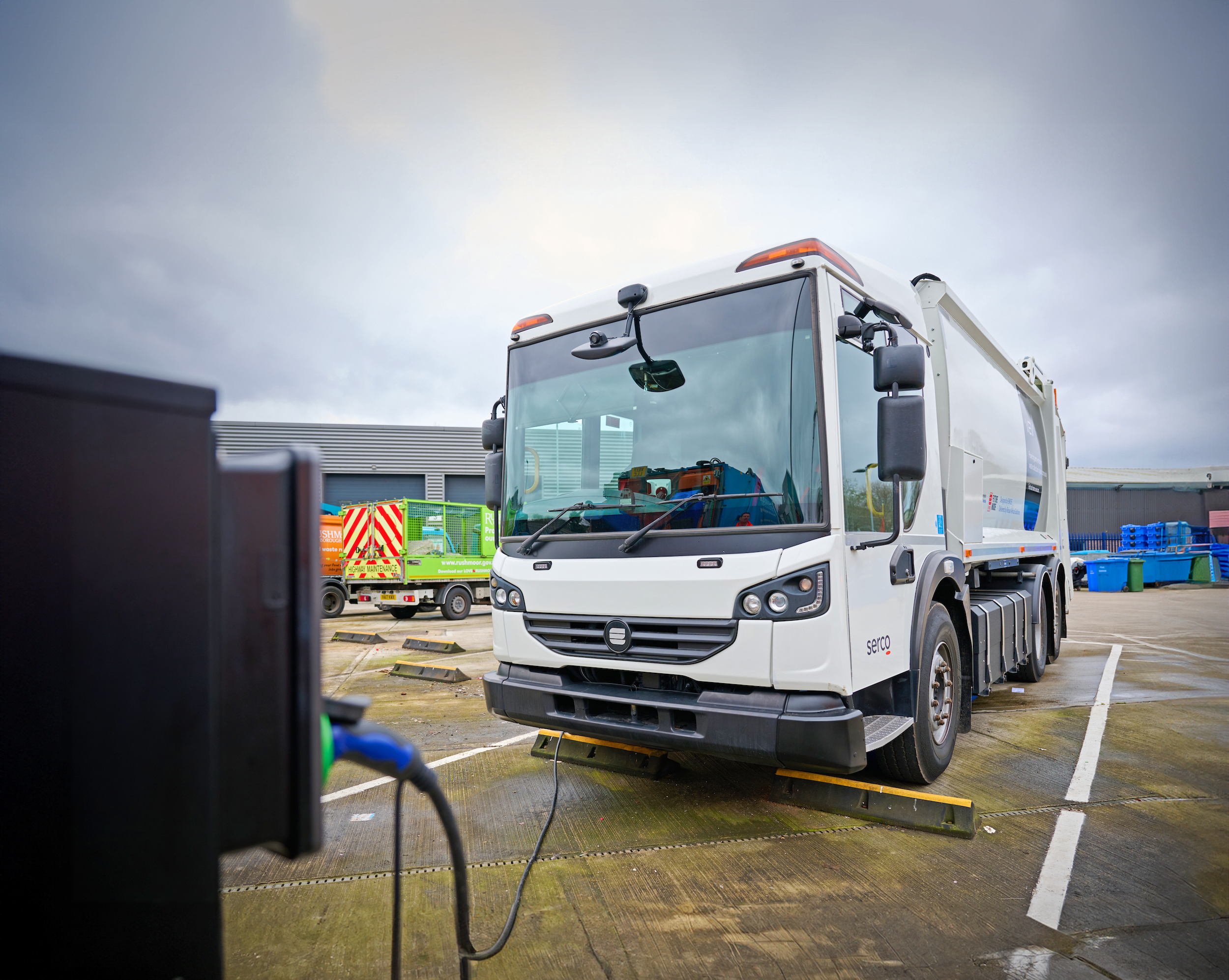
Drawing on our work delivering depot charging and energy infrastructure for commercial fleets, the response focuses on the practical challenges of electrifying medium and heavy-duty vehicles at scale.
Across the fleets we work with, the main barriers are no longer vehicle availability. The challenge is how to plan, deliver and operate the infrastructure and energy systems needed to run zero-emission fleets reliably.
Infrastructure and energy systems are the key constraints
In our response, we highlight that while vehicle technology is advancing rapidly, many operators are still facing constraints around power availability, grid connections and how charging fits into day-to-day operations.
Common challenges include:
- long grid connection timelines at depot sites
- limited available capacity for fleet electrification
- integrating charging with fleet duty cycles and operations
- uncertainty in electricity pricing and network charges
In practice, many fleets are ready to begin electrification but are delayed by these infrastructure and energy constraints rather than vehicle capability.
Supporting a clear regulatory pathway
VEV supports the introduction of a manufacturer-led zero-emission vehicle (ZEV) mandate as the primary regulatory mechanism.
As set out in our response, a clear and predictable trajectory for zero-emission HGV deployment provides important signals not only for manufacturers but also for infrastructure providers, electricity networks, and fleet operators.
Charging infrastructure and energy systems require long lead times and significant investment. Greater certainty on vehicle uptake helps ensure that infrastructure deployment can keep pace.
Three priorities for enabling fleet electrification
Our submission identifies three areas that will be critical to enabling zero-emission freight at scale.
- High-power and megawatt charging infrastructure
Battery-electric HGVs will require high-power charging at depots and, over time, megawatt charging along the Strategic Road Network. Our response highlights the importance of planning this infrastructure around real operating patterns rather than worst-case assumptions. - Grid connections and network capacity
The response also highlights grid connection timelines and limited visibility of available capacity as key barriers. Faster connections and more transparent network planning will be critical. - Electricity pricing and cost certainty
Electricity pricing is a central theme in the submission. While wholesale energy costs can often be managed, network charges and policy costs are less predictable. Greater transparency and longer-term visibility will help fleets plan with confidence.
Managing energy as part of fleet operations
As set out in our response, across the fleets we work with, electrification only works when energy is actively managed as part of operations.
Commercial fleet operations are inherently predictable. Vehicles return to base, dwell times are known and charging can be scheduled. This creates opportunities to optimise energy use, reduce peak demand and make more efficient use of available grid capacity.
With the right approach, depot infrastructure can be designed to support both fleet operations and wider energy system flexibility.
Aligning transport and energy systems
Our response also sets out the need to better align transport and energy policy.
This includes integrating HGV charging demand into long-term planning processes such as Regional Energy Strategic Planning (RESP), and ensuring electricity networks are prepared for future demand.
Electric fleets can also help support grid stability through demand-side flexibility, particularly as renewable generation increases.
Our submission emphasises that fleet operators make decisions based on operational reliability and total cost of ownership. Regulation alone is not sufficient to drive adoption if the supporting infrastructure and energy systems are not in place.
VEV welcomed the opportunity to respond to this consultation and share insights from its real-world fleet electrification projects.
We look forward to continuing to work with government and industry to support the delivery of zero-emission freight.
For more information, please contact us here.