

Fleet Electrification
Will address 10% of the UK’s total carbon emissions
Managing Complexity and Costs
With the net-zero clock ticking, planning for fleet electrification is underway. Local Authorities are seeking the expertise needed to navigate this significant change involving cross-functional teams, new tools and new skills.
Although EV transition is largely legislation driven, it can only happen with a positive business case. The economics must balance the heavy upfront capex requirement for vehicles and new infrastructure, with the operational savings (energy, maintenance, etc.) of EV vs. ICE.
The total cost of ownership (TCO) for electric vs. diesel has already surpassed parity for many vehicle categories, classes and use cases, particularly for high-mileage fleets.
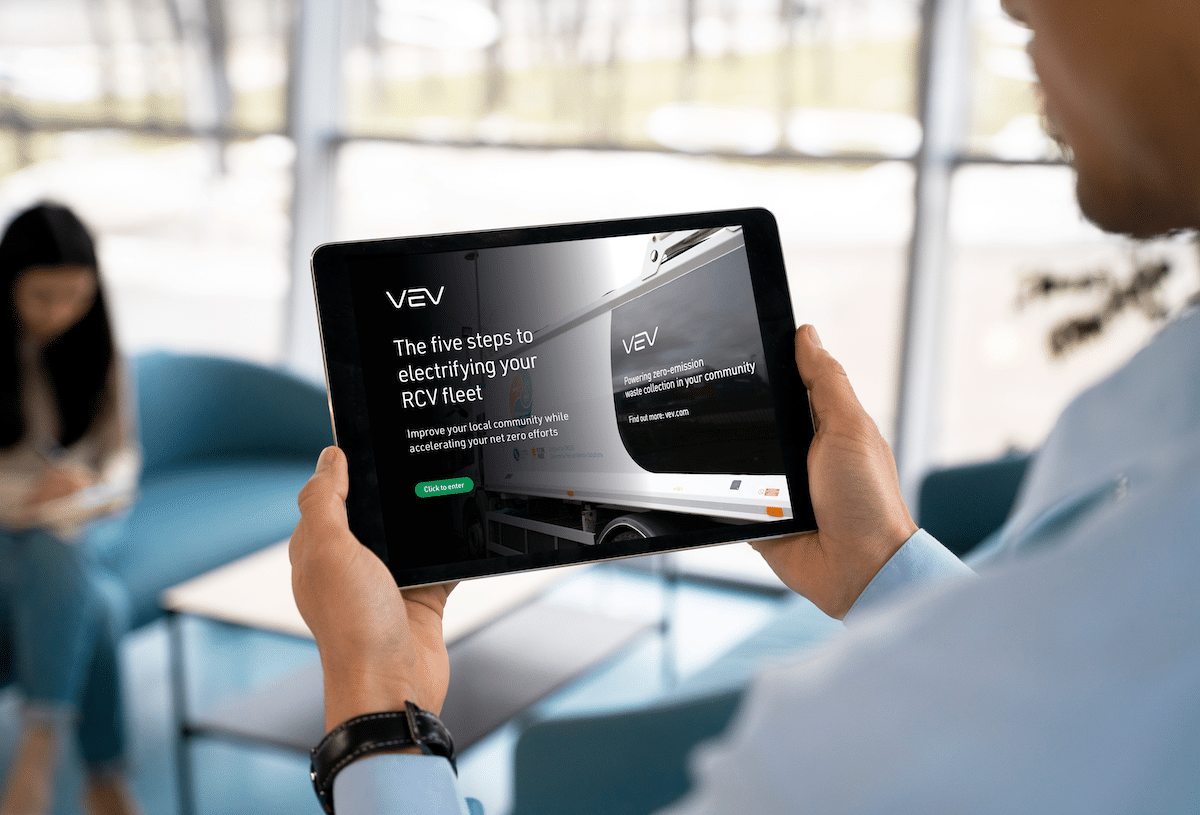
The 5 Steps to Electrifying Your RCV Fleet
A prime target for accelerating the decarbonisation mission is refuse and recycling collection. Classed as heavy goods vehicles (HGVs), refuse collection vehicles (RCVs) can generate 600 grams per kilometre in carbon dioxide emissions, and are arguably the largest emitters in councils’ fleets.
For councils that take ownership of their vehicle fleets, the emissions become scope 1 in classification and as such are the councils’ direct responsibility to reduce. eRCVs will improve local air quality, reducing particulate and harmful emissions from diesel vehicles in towns and cities.
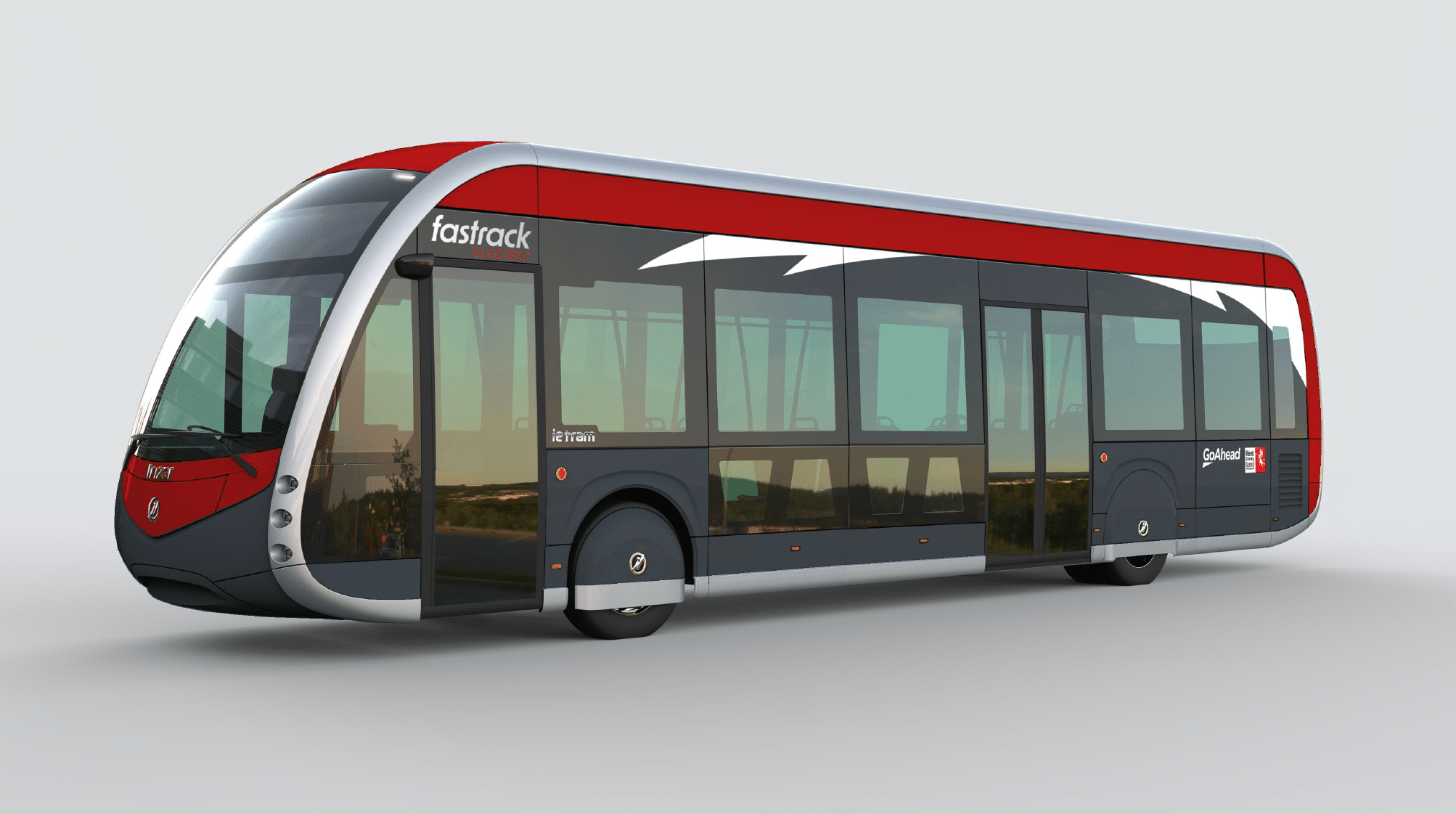
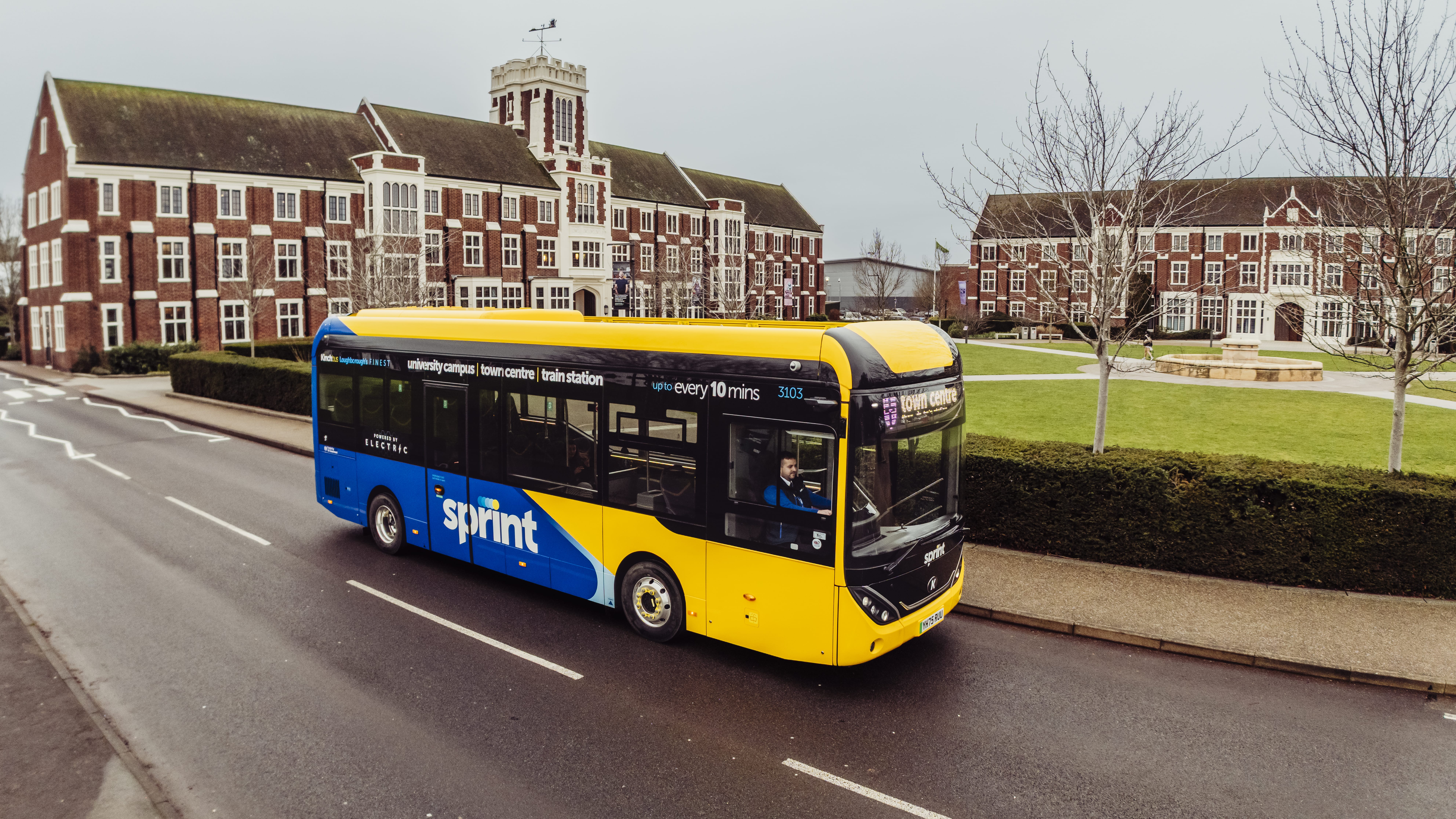
State of the Art Bus Rapid Transit (BRT) Electrification
View the case study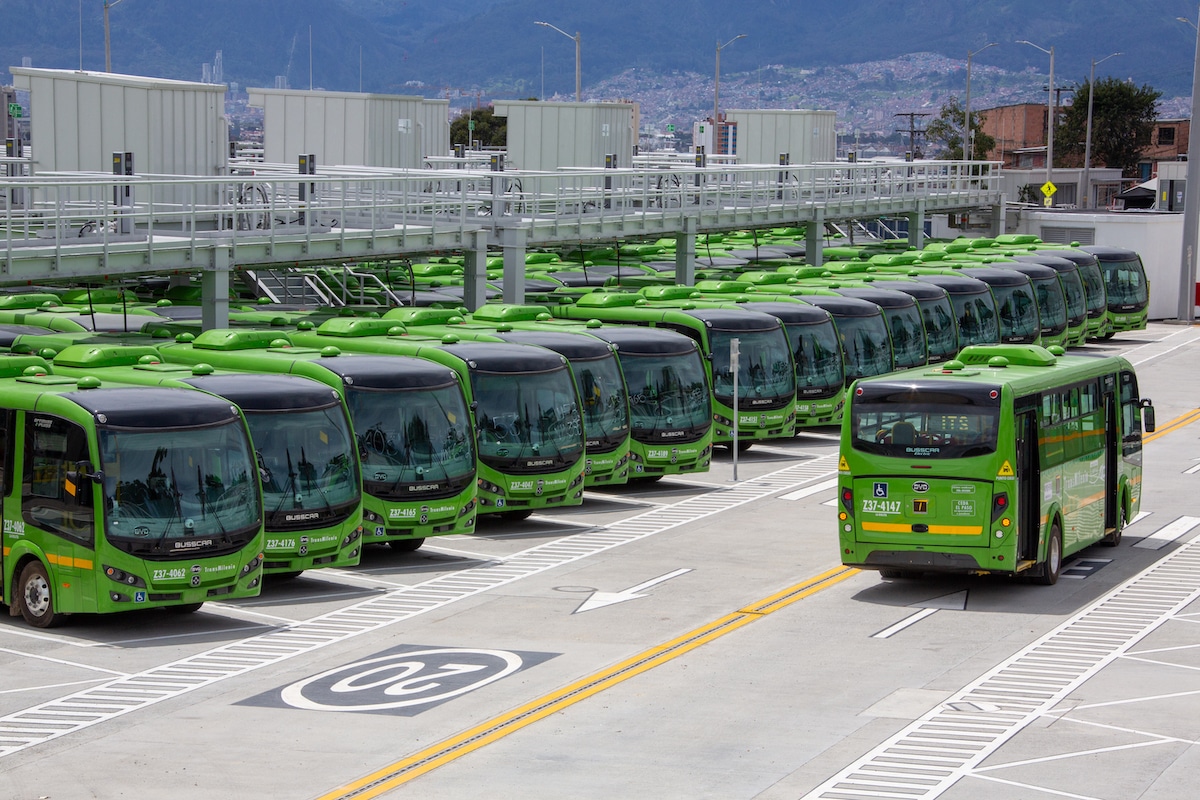
Bus Fleet Electrification with State-of-the-Art EV Depot and Reduced Vehicle TCO
View the case study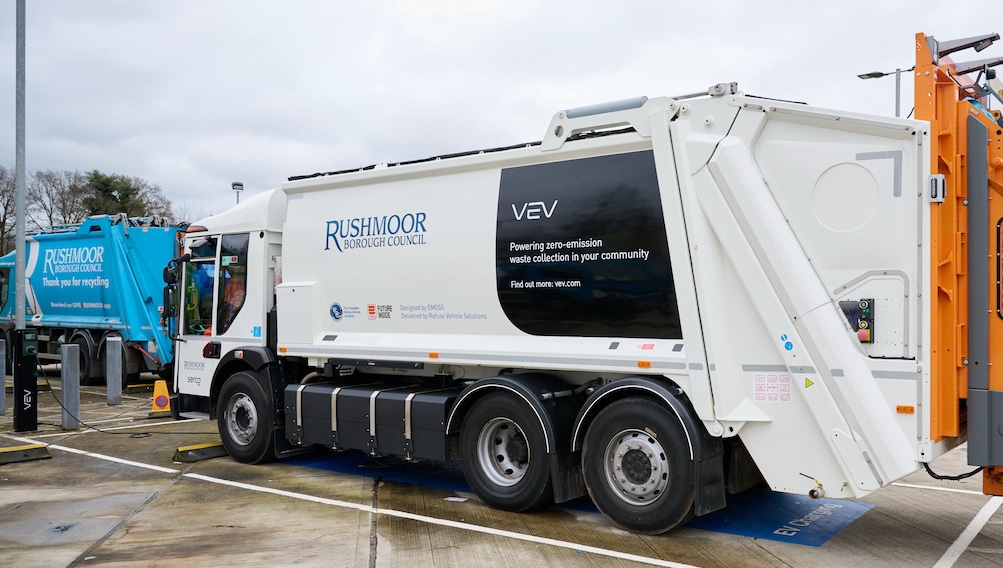
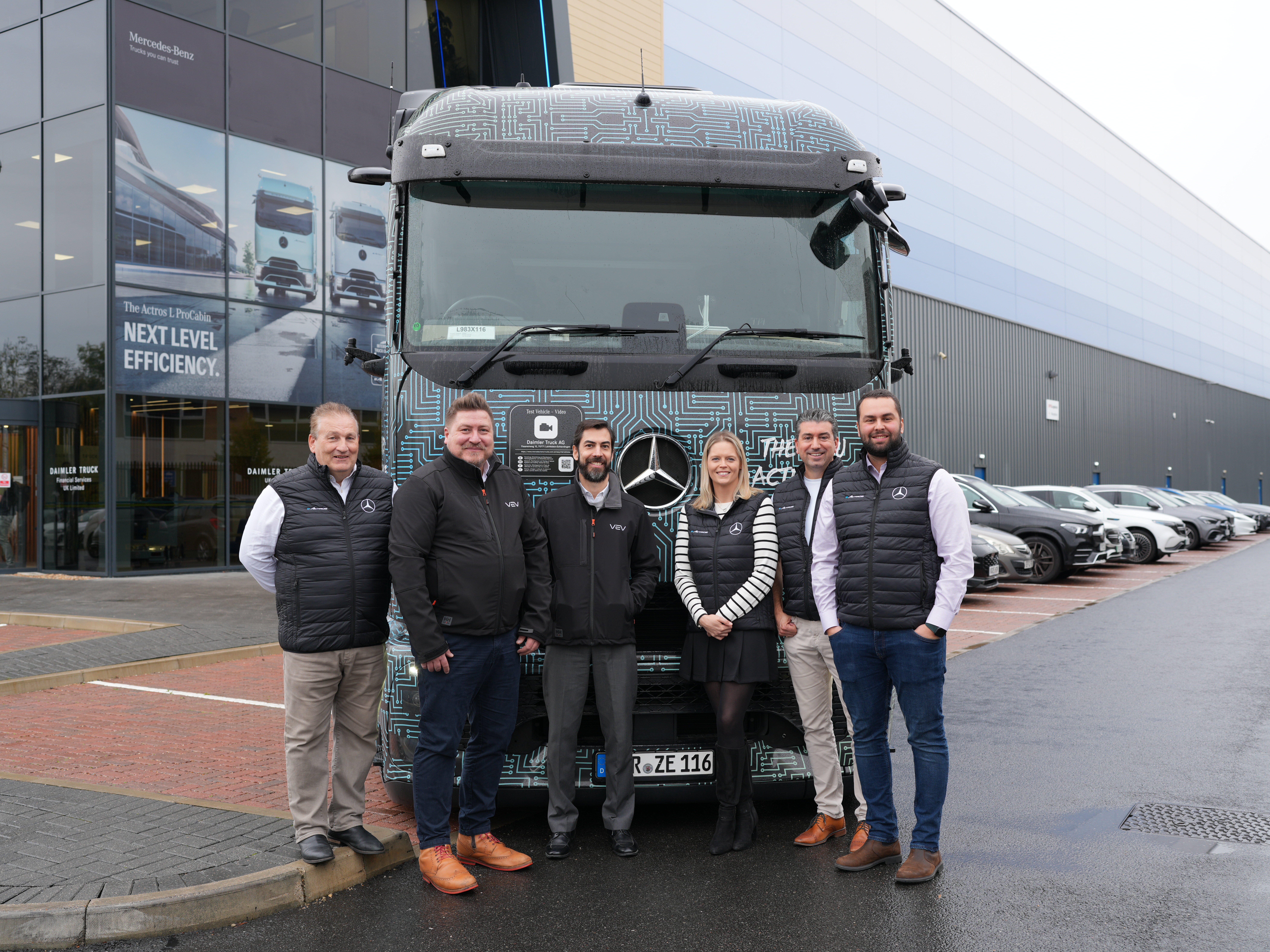
Serco Group trials electric recycling and refuse vehicles in three Hampshire districts with emobility pioneers VEV & RVS
View the press releaseRead this eBook to find out:
- How fleets can avoid the need for expensive grid upgrades during the EV transition
- Why real-time monitoring is crucial for maintaining a resilient EV fleet
- How the role of fleet management solutions are changing

Download this resource now
Please fill out the form below to download.