





Quick Summary
- EV fleet success depends on people and processes, not just vehicle range, price or charging speed.
- Drivers need practical training on charging, range management, efficient driving and what to do when issues arise.
- Fleets face growing operational risk if technicians and maintenance networks lack EV diagnostic and high-voltage skills.
- Charging introduces a new operating model involving depots, routes, energy costs, vehicle readiness and data visibility.
- Businesses that build EV capability early will reduce downtime, improve confidence and scale electrification more successfully.
The conversation around electric vehicles has often focused on the vehicles themselves: range, charging speed, battery size, price and availability. But for businesses running vans, cars, trucks or specialist vehicles, the bigger question is becoming clear: do we have the skills to operate them well?
The shift to electric fleets is not a simple vehicle swap. It changes how drivers plan their day, how depots manage energy, how workshops diagnose faults, how finance teams understand whole-life cost, and how operations managers build resilience into routes. The organisations that succeed will not just be those that buy EVs. They will be the ones that train their people to run them.
EVs change the job, not just the fuel
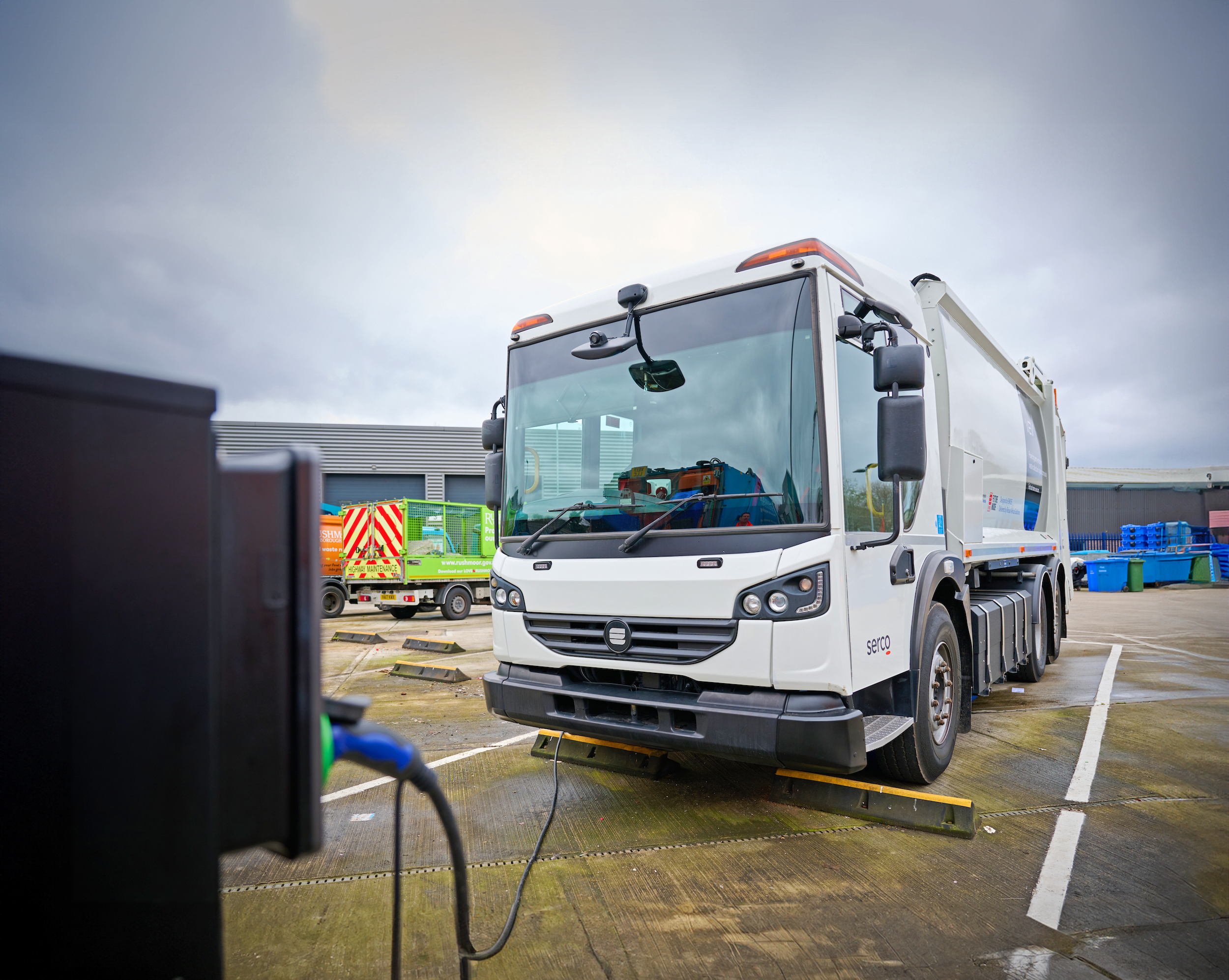
For drivers, an electric vehicle introduces new routines. Charging needs to be planned, not treated as an occasional refuelling stop. Range is affected by payload, weather, driving style, route profile and auxiliary loads such as heating or refrigeration. Regenerative braking changes how vehicles feel on the road.
None of this is unmanageable. In fact, many drivers quickly become strong advocates for EVs once they understand how to get the best from them. But that confidence rarely appears by accident, it comes from structured onboarding, clear charging guidance, route-specific advice and space for drivers to raise practical concerns before they become operational issues.
Driver training should therefore go beyond “how to plug in”. It should cover efficient driving techniques, when and where to charge, what to do if a charger is unavailable, how to report vehicle or charging faults, and how to avoid unnecessary downtime. For commercial fleets, that training can make the difference between a smooth transition and a depot full of vehicles that nobody fully trusts.
Engineering skills are under pressure
The technical skills challenge is just as important. EV maintenance requires high-voltage awareness, diagnostic capability and safe working procedures. While EVs have fewer moving parts than internal combustion engine vehicles, they are not “maintenance free”. Tyres, brakes, software, battery health, charging systems and electrical components all need the right expertise.
The issue for fleets is availability. If the wider market does not have enough EV-trained technicians, downtime risk increases. Vehicles may wait longer for diagnosis or repair, smaller operators may depend on external maintenance networks that are still building capability, and larger fleets may need to invest in internal upskilling, approved training routes and safer workshop processes.
This is where fleet electrification becomes a workforce planning issue. Procurement teams can select the right vehicles, but operations teams need to know who will maintain them, where they will be serviced, what qualifications are required, and how quickly faults can be resolved.
Charging creates a new operational discipline
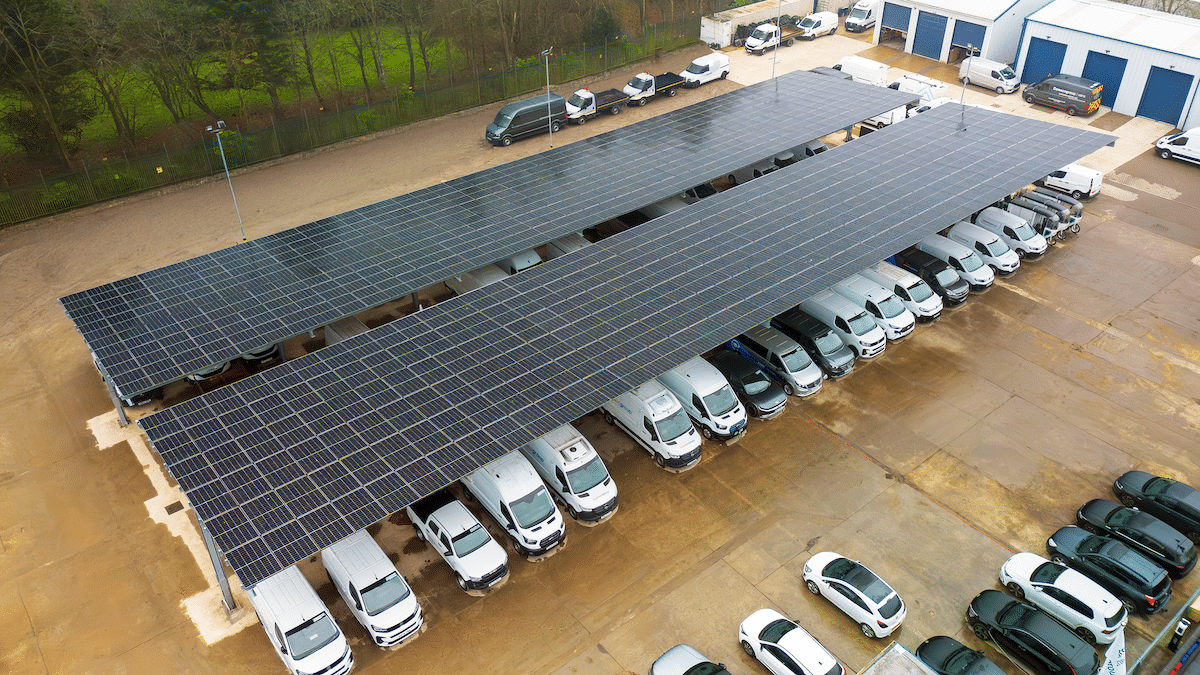
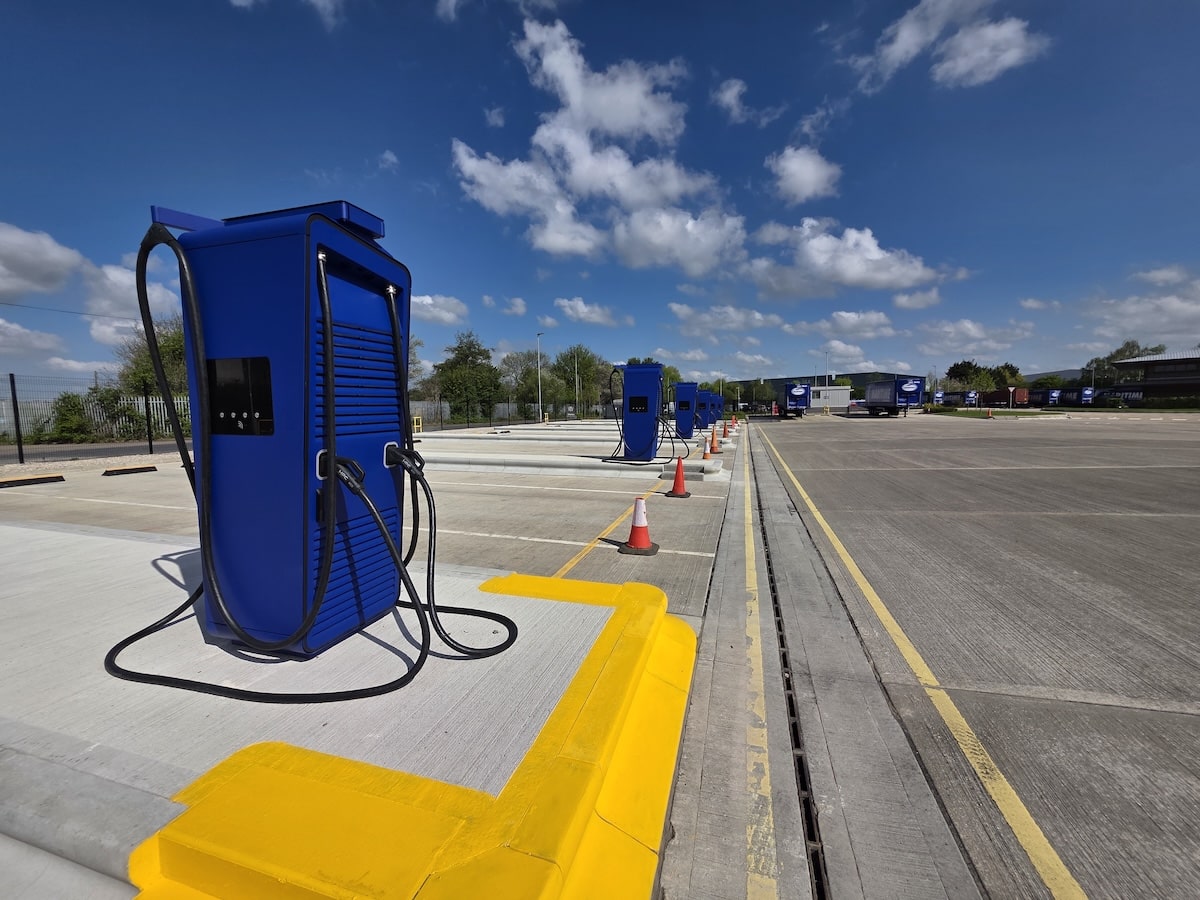
Charging infrastructure is often discussed as a hardware project: install chargers, connect power, go live. In practice, it is an operating model.
Depot charging affects shift patterns, parking layouts, grid capacity, driver handovers and route planning. Someone needs to know which vehicles must be charged first, what state of charge is required for each route, how to respond to charger faults, and how to balance energy cost against operational readiness.
This creates new skills requirements across the business:
- Facilities teams need to understand load management and charger uptime
- Transport planners need visibility of range and route energy use
- Finance teams need to interpret electricity tariffs, reimbursement rules and charging data
- Managers need dashboards that show not just vehicle location, but whether vehicles will be ready for the next shift
Without this operational knowledge, businesses can find themselves with technically capable EVs that are not being used to their full potential.
Knowledge gaps slow adoption
A major barrier to fleet electrification is not always the technology. It is uncertainty.
Drivers may worry about being stranded or managers may worry about productivity. Finance teams may struggle to compare diesel fuel cards with depot and public charging. Senior leaders may see electrification as a compliance project rather than an opportunity to reduce operating costs and emissions together.
These concerns are understandable, but they are also solvable with better knowledge. Businesses need clear internal guidance, realistic route trials, driver feedback loops and data-led reporting. They also need partners who can translate EV complexity into practical operational decisions.
The most successful transitions often start small, learn quickly and scale with confidence. A pilot should not only test vehicles; it should test training materials, charging processes, maintenance support, driver communications and escalation routes.
The opportunity: build EV capability before it becomes a bottleneck
The EV skills gap is not a future problem. It is already shaping how quickly fleets can transition.
But this also creates an opportunity. Companies that invest early in EV capability will be better placed to control costs, reduce downtime and give drivers confidence. They will also be more resilient as regulation, customer expectations and vehicle availability continue to move toward zero emission transport.
For fleet operators, the question should no longer be: “Which EV should we buy first?” It should be: “What skills do our people need to make EVs work every day?”
That means training drivers, upskilling technicians, preparing depots, educating managers and giving every team a clear role in the transition.
Electric fleets are not just powered differently. They are operated differently. The businesses that understand that now will be the ones that make the switch successfully.
If you’d like to join the conversation, or start your journey, then get in touch ask@vev.com
10 June, 2026
https://www.thescottishsun.co.uk/money/15097373/motoring-job-work-experience-programme-evs/