




Quick summary
- There is no standard number of EV chargers that every fleet should install.
- Fleet data should determine the number of charging connections, their speed and where they are installed.
- Smart charging can share available power and prioritise the vehicles that need to leave first.
- Depots should meet today’s needs while making future expansion easier.
Planning the right charging setup for your fleet
When a business starts planning for electric vehicles, one of the first questions is often: how many chargers will we need?
There is no standard charger-to-vehicle ratio for a commercial fleet. The optimum number of chargers will vary by depot and should be determined based on vehicle duty cycles, available charging windows, site power capacity and the level of operational resilience required.
Two depots with the same number of vehicles can therefore need very different charging systems.
The goal is not to install the maximum number of chargers on day one, but to ensure every vehicle has sufficient energy to complete its next journey, while preparing the depot for future growth. This approach helps businesses avoid unnecessary upfront investment for equipment that may not yet be required, while ensuring the site is designed with the capacity and flexibility to support additional chargers as the fleet expands.
Does every electric vehicle need its own charging connection?
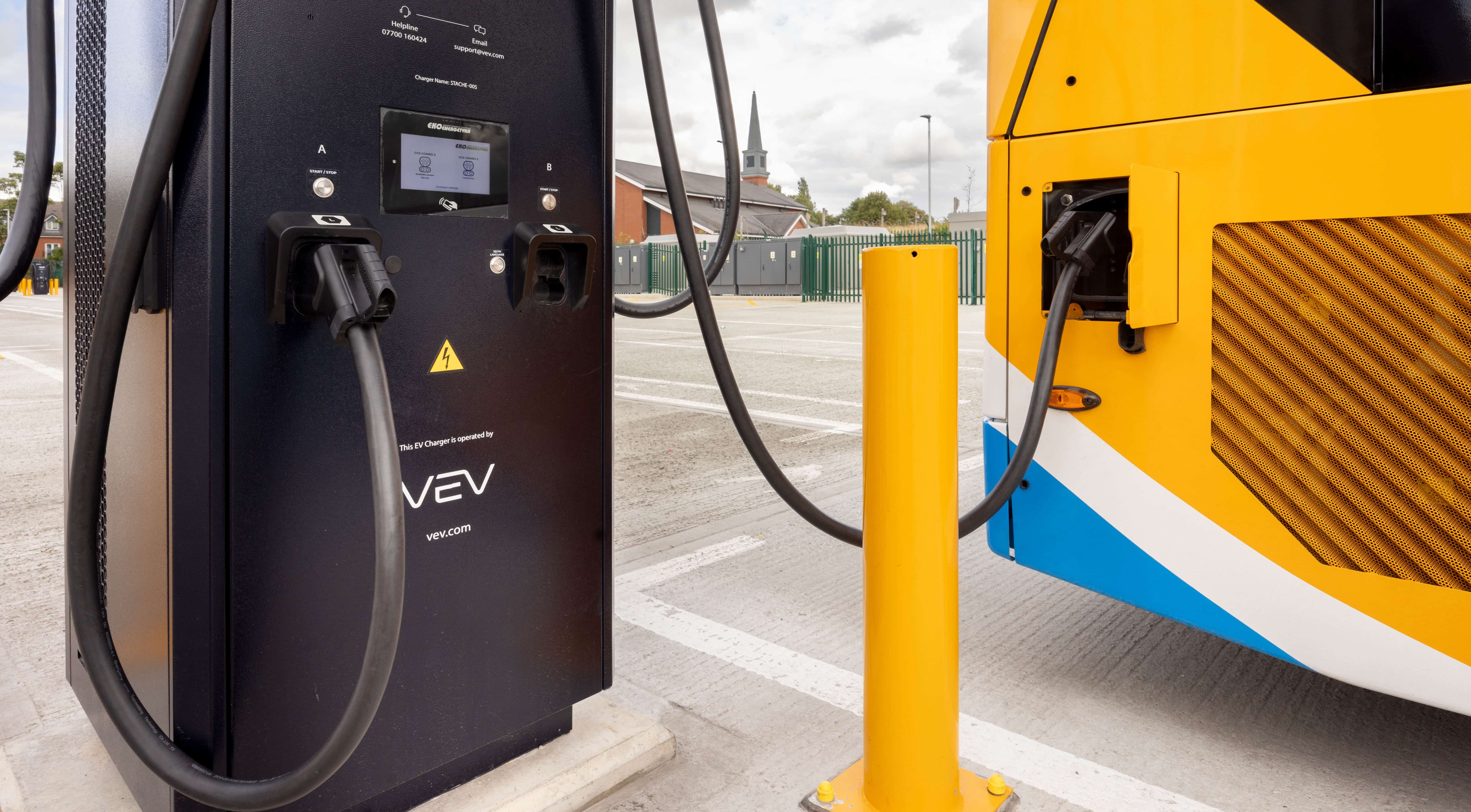
Rarely. It is useful to separate the charger unit from the individual socket or connection, one charger can have more than one connection, and its available power can be shared between vehicles.
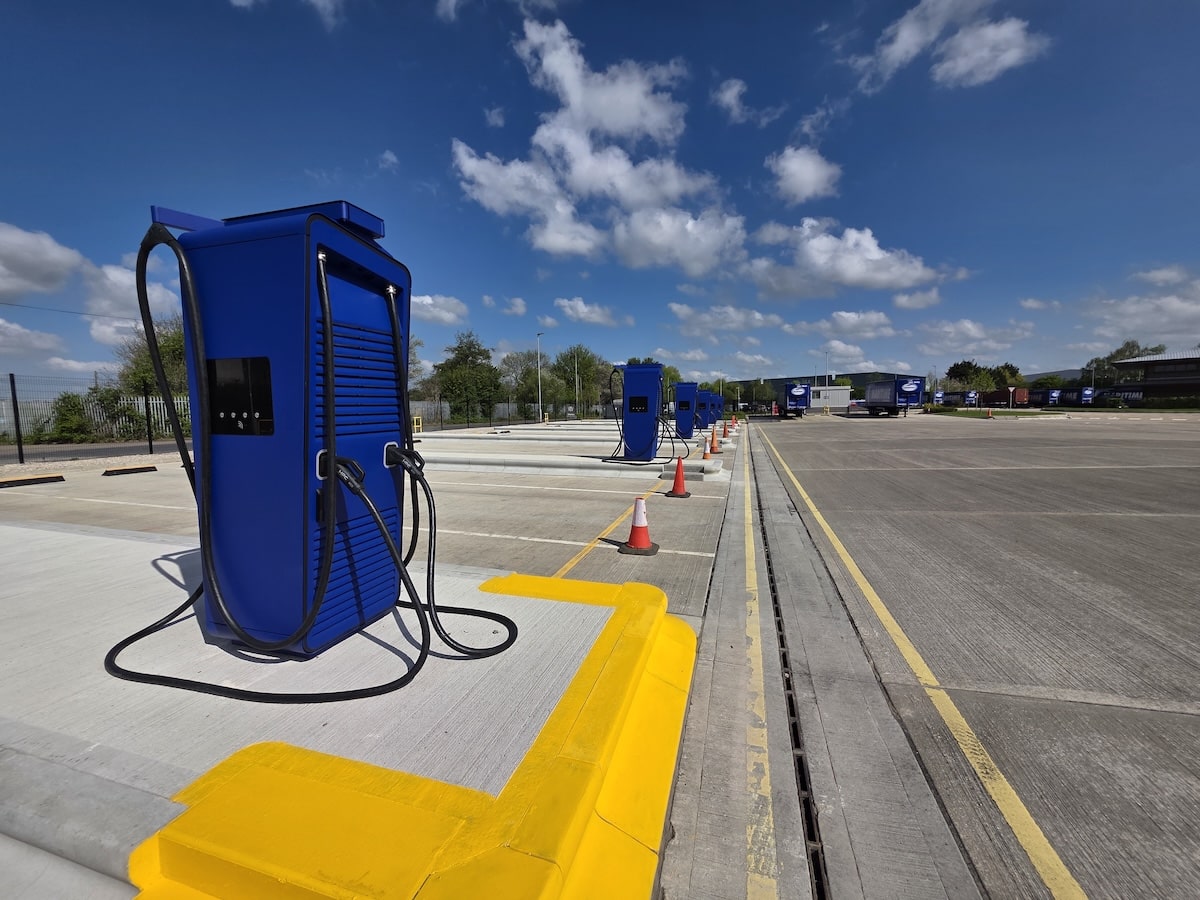
For example, at Stagecoach Torquay, VEV installed 27 chargers with 54 charging sockets to support more than 60 electric buses. The project did not use one charger unit for every bus, but it provided enough connections and smart control to support the operation.
Some fleets may still choose a connection for every vehicle when they all need to charge at the same time. Others may use fewer if return times are staggered. The setup must also work in practice: regularly moving vehicles or cables can create more work, while too few connections can cause queues.
Start with how the vehicles are used
Before choosing any chargers, a business should look at its real fleet data. This includes distance, energy use, return and departure times, parking time and any onboard equipment that uses energy.
This shows how much energy the fleet needs and how much time is available. If a fleet needs 1,500 kWh over ten hours, for example, it needs an average of 150 kW before charging losses and unexpected changes.
That does not mean the answer is one 150 kW charger or one charger per vehicle. Individual vehicle battery sizes, state of charge on arrival, arrival and departure times, charging priorities and available electrical capacity all determine how that 150 kW requirement should be distributed across the fleet.
Is a faster charger always better?
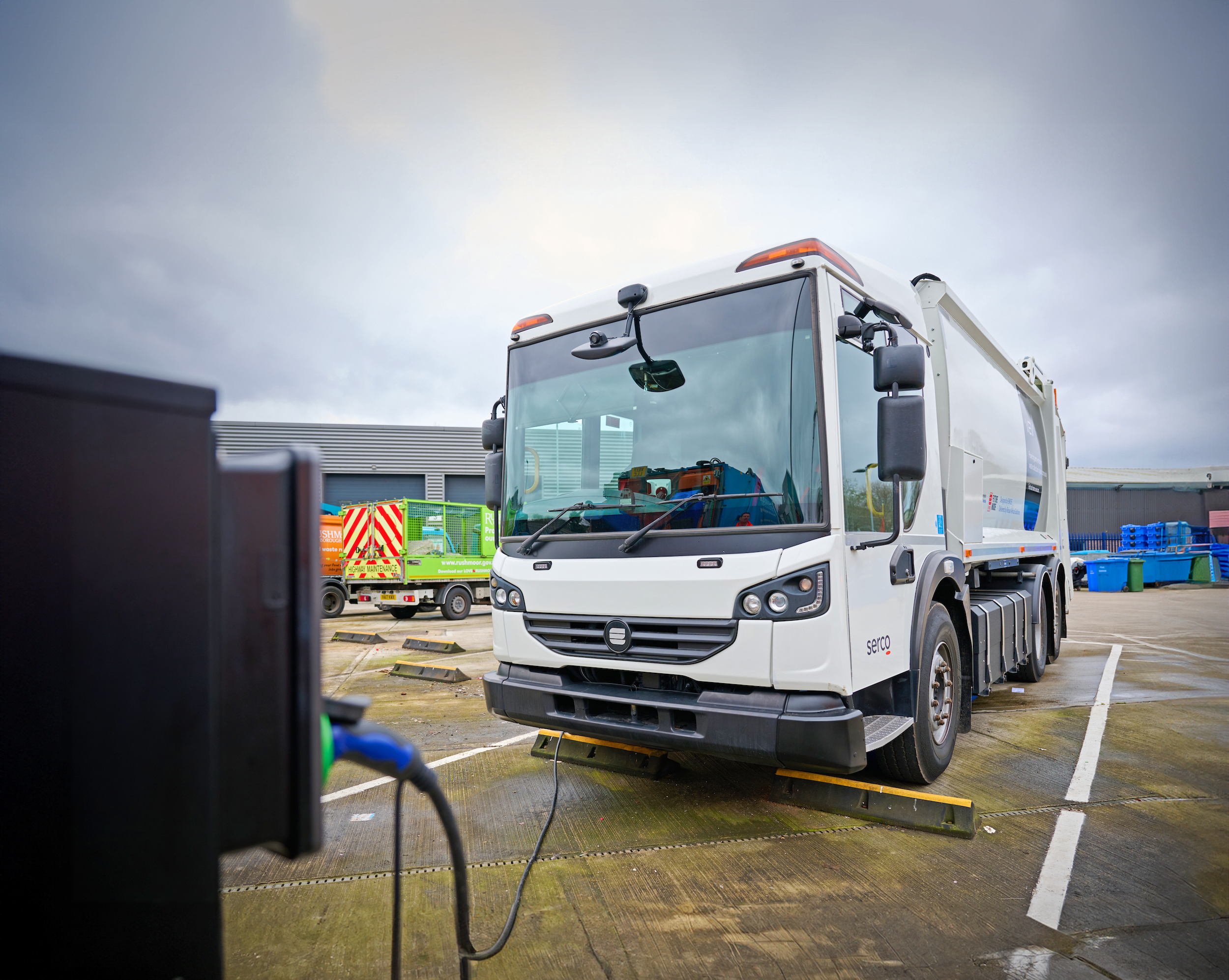
No. A vehicle parked overnight may have plenty of time to charge at a lower rate. A truck, bus or refuse collection vehicle with a short break between shifts may need faster charging.
The vehicle also has a maximum charging rate. A more powerful charger will not reduce charging time if the vehicle cannot accept the extra power. Some fleets may therefore benefit from a mix of lower-powered chargers for predictable overnight use and selected higher-powered chargers for late returns or short turnarounds or Opportunity Charging.
How much power does the depot have?
The charger plan must also be tested against the depot’s electrical capacity. Where the charging infrastructure does not have a dedicated electrical supply, the depot’s wider electrical demand must also be considered. If every charger ran at full power at the same time, the theoretical peak could be much higher than the fleet’s real requirement.
Smart charging software such as VEV IQ can share available power between vehicles, prioritising those that need to leave first. Fleet operations, charging infrastructure and energy management should therefore be planned together.
What happens if a charger is unavailable?
Charging plans need to be flexible.
Unforeseen circumstances can affect daily charging requirements, vehicles may return later than expected, use more energy than planned or be moved onto different routes as duty cycles change. A charger may also be temporarily unavailable.
Businesses should consider how the fleet would respond. Options include spare connections, flexible parking, a faster charger for urgent top-ups, real-time remote monitoring and clear maintenance support. Backup may be particularly important for bus routes or waste collection rounds.
Should fleets build for future growth?
Yes. Most fleets will move to electric in stages, so the initial installation should meet today’s requirements while making future expansion as simple and cost-effective as possible. This can include installing spare or oversized ducting, allowing capacity within distribution boards, reserving space for future chargers and electrical equipment and choosing chargers that can work with different software platforms.
VEV used this approach when designing Milence’s first UK electric HGV charging hub. It opened with eight charging bays, while its electrical and civil infrastructure was designed to support 32. Its timber roofs were also designed for future solar panels.
Data from the first vehicles can then guide later decisions. Actual energy use and charging times show where more equipment is needed, allowing the system to grow without paying for the full future installation on day one.
The right number starts with the right data
Every fleet is different. The right charging plan should use fleet data, site power and operational needs to determine how many chargers are required now and how easily the depot can expand in the future. This helps avoid unnecessary spending while making sure vehicles are ready for their next duty and the depot is prepared for future fleet growth.
If you are planning charging infrastructure for an electric fleet, VEV can help turn your fleet and site data into a practical charging and power plan. Contact VEV.