



Quick Summary
- Range anxiety was one of the most common concerns raised in conversations at Better Transport Week.
- For fleet operators, range is not just a vehicle specification – it affects routes, drivers, depots and investment decisions.
- But battery technology, vehicle capability and charging strategies have improved significantly, meaning many fleets may be more ready to electrify than they assume.
- VEV’s telematics analysis shows that real operational data can identify which routes are suitable for electrification now, and where charging infrastructure is needed to scale.
- The answer to range anxiety is not guesswork – it is data-led planning, phased implementation and proof from the fleet’s own operation.
Range anxiety needs to be reframed
Last week, I attended the Campaign for Better Transport’s, Better Transport Week conference, where VEV were proud to be gold sponsors.
It was a brilliant opportunity to speak with people from across transport, policy, infrastructure and fleet operations. But one theme came up in several conversations: range anxiety.
For fleet operators, that concern is completely understandable.
Range is not just a technical specification. It affects whether a vehicle can complete its route, whether drivers feel confident, whether depot teams can keep vehicles moving, and whether senior leaders feel comfortable making the investment case for electrification.
So I do not think range anxiety should be dismissed, but I do think it needs to be reframed.
Because the reality is that battery technology, vehicle capability and charging strategy have all moved on quickly. Many electric vehicles can now go much further than people assume, and in many fleet use cases, the question is no longer “Can electric vehicles do the job?”
The better question is: “Which parts of the fleet are ready to electrify now, and how do we prove it with data?”
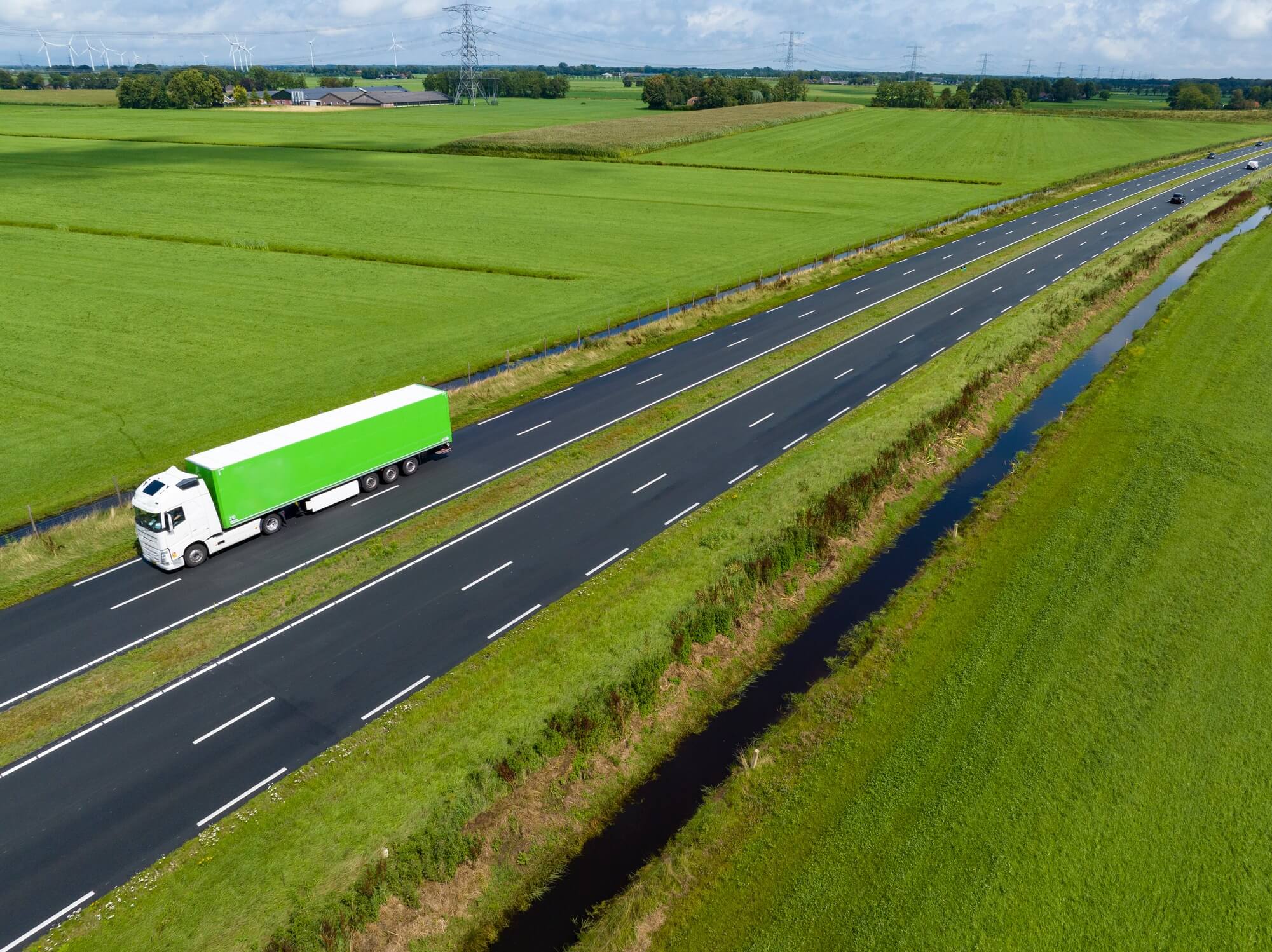
VEV’s data lead, George Hobbs, said “In detailed analysis of over 15000 trucks we found 85% of routes could go electric by charging at their own depots. That is more than enough of an operational baseline to electrify the first portion of your fleet and make sure the vehicles do enough mileage to reach at least TCO parity. In addition early analysis can identify en route charging at major bus depots that would enable 100% of routes to EV” (VEV telematic analysis).
Range anxiety is real, but it is not always based on real fleet data
One of the challenges with range anxiety is that it is often based on the worst-case scenario.
People imagine the longest route, the heaviest load, the coldest day, the least convenient charging window and the most pressured shift – all at once.
Those scenarios matter. They need to be planned for. But they do not always represent the day-to-day reality of every vehicle in a fleet.
Many commercial vehicles run predictable routes. Many return to depot. Many have natural dwell time overnight, between shifts, during loading or during scheduled stops. Many travel far less each day than people assume.
That is why the range conversation needs to start with operational data.
- How far does each vehicle actually travel?
- Which routes are repeated?
- Where does the vehicle stop?
- How long does it dwell?
- What payload is it carrying?
- What state of charge does it need at the start and end of each shift?
- Where are the best charging opportunities?
Once you start answering those questions, range anxiety becomes something more useful. It becomes a planning challenge, not a blocker.
Battery technology has improved – and fleet assumptions need to catch up
A lot of the concern around electric vehicle range is still shaped by older perceptions of battery technology.
That is understandable. Early electric vans and trucks had limitations. Ranges were shorter, charging infrastructure was less mature, and many vehicles were adapted from diesel platforms rather than designed around electric powertrains.
But the technology has changed. Battery management systems are becoming more intelligent, vehicle efficiency is improving, and manufacturers are building more electric vans and trucks around dedicated EV platforms.
The UK market is reflecting that shift. SMMT preliminary data reported that electric van sales grew by 50% in the first half of 2025, reaching around 10% of total van sales. Battery life is also proving stronger than many people assume, with Geotab analysis finding average EV battery degradation of around 1.8% per year.
That does not mean every vehicle, route or duty cycle is ready to electrify today. But it does mean the practical opportunity is bigger than many people assume, especially for depot-based vehicles and predictable routes.
Behind those numbers are practical improvements that matter for fleets:
- Battery chemistries are improving
- Battery management systems are becoming more intelligent
- Vehicle efficiency is improving
- Manufacturers are building more electric vans and trucks around dedicated EV platforms
- Charging speeds and depot charging strategies are improving too
That means electric vehicles are increasingly capable of covering the daily mileage required by many commercial fleets.
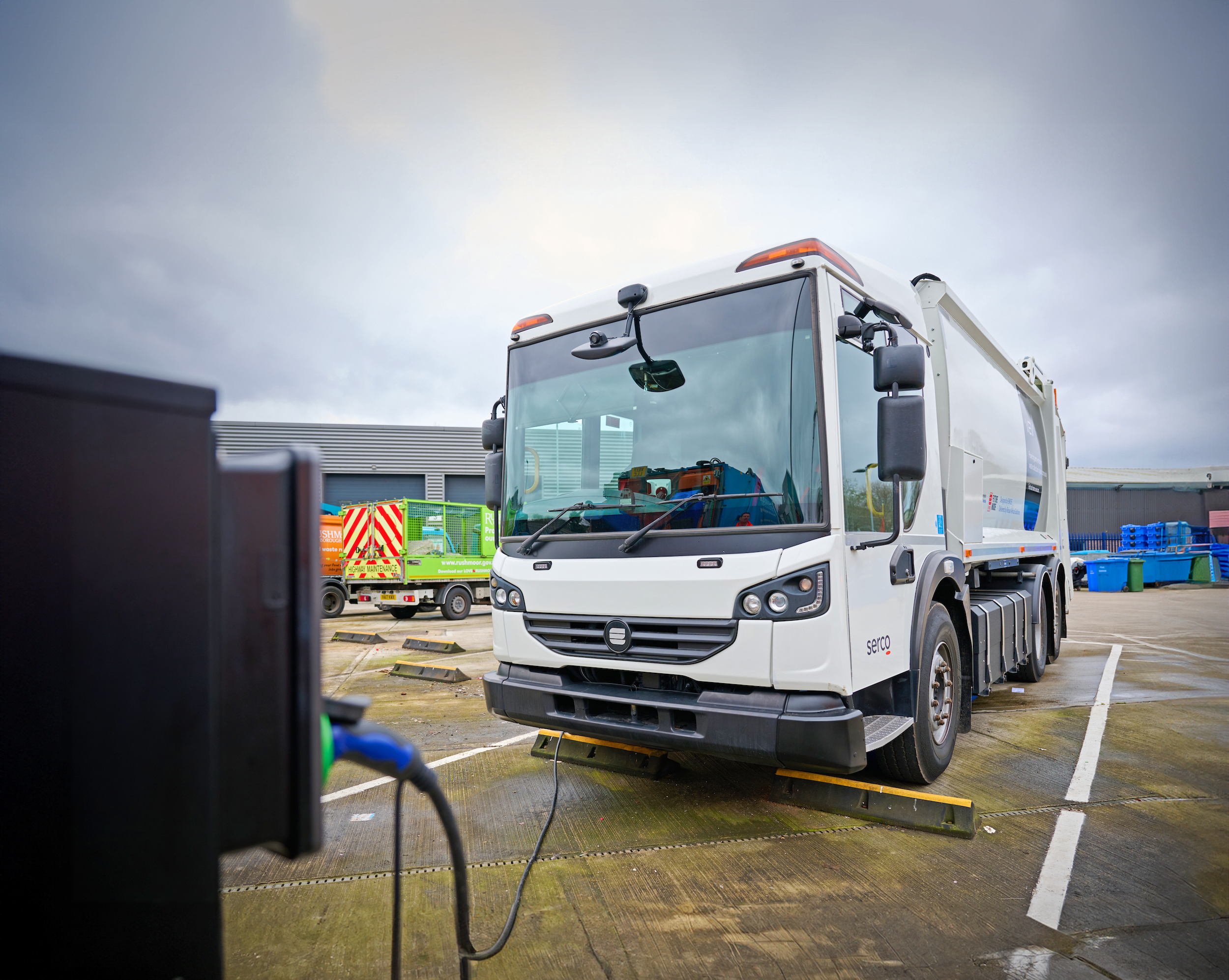
For some operators, especially those with depot-based vehicles and predictable routes, the practical opportunity is already here. Not for every vehicle, not for every route, and not without planning – but for more of the fleet than many people think.
Bigger batteries are not always the answer
Another important point is that solving range anxiety does not always mean choosing the biggest possible battery.
For fleets, the aim should not be maximum range at any cost. The aim should be the right vehicle, with the right battery, on the right route, supported by the right charging infrastructure.
A bigger battery can add cost and weight. A smaller battery may be perfectly suitable for a route with reliable depot charging. The right answer depends on how the vehicle is actually used.
That is where data-led planning makes such a difference.
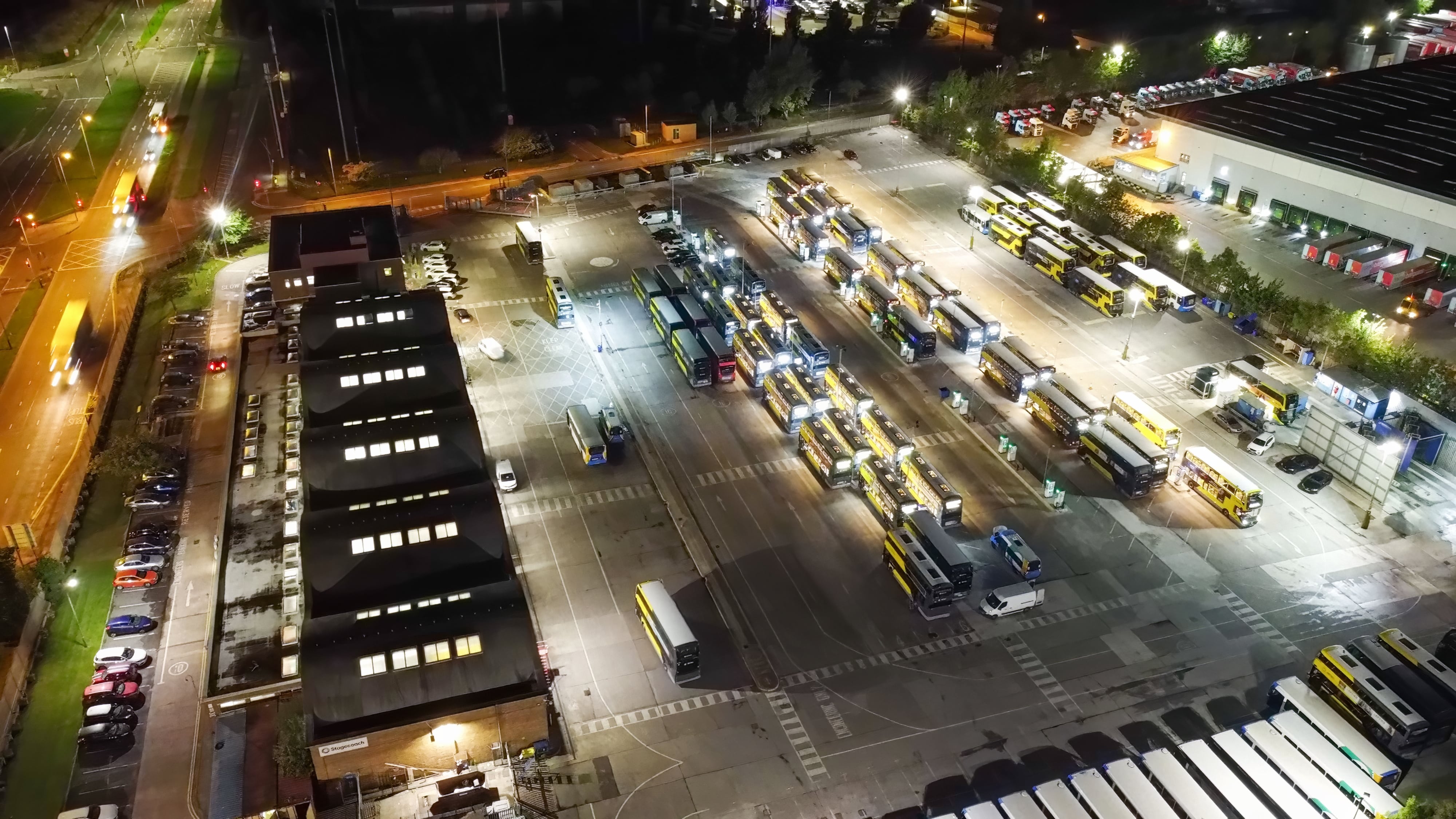
At VEV, we look at the real operating profile of a fleet: routes, mileage, payload, dwell time, depot constraints, energy demand, grid capacity and charging windows. That gives operators a much clearer view of what is possible today and what needs to be phased in later.
Range anxiety often reduces when people can see the evidence in their own operation.
Range anxiety should prompt action, not delay
My biggest takeaway from the conversations last week is that range anxiety is still one of the main barriers to fleet electrification – but it should not be a reason to stand still.
For drivers, confidence comes from knowing the route is achievable, the vehicle has enough charge, and the charging plan works in practice. For depot teams and senior leaders, confidence comes from seeing real operational data: which vehicles are suitable, which routes can be electrified first, and what infrastructure is needed to support them.
That is why a phased approach is so important. Fleets do not need to electrify everything at once. They can start with the vehicles and routes that make the strongest case, build confidence, and use those learnings to scale.
With the right data, infrastructure and implementation plan, range anxiety becomes manageable. And in many cases, it becomes the point where the transition starts to feel practical.
At VEV, we help businesses turn that uncertainty into a clear electrification plan – from fleet analysis and depot design to charging infrastructure, energy strategy and ongoing operational support.
Because the answer to range anxiety is not guesswork. It is proof.
If you’d like to find out more, or speak to one of our experts, then get in touch ask@vev.com
24 June, 2026