


By Mat Crocker, Environmental Services Association
A line from Ernest Hemingway’s 1926 novel, The Sun Also Rises
“How did you go bankrupt?” “Two ways,” he said. “Gradually and then suddenly.”
From a Slow Crawl to a Sprint
For years, waste regulation in the UK evolved at a modest pace – prior to Brexit nudged forward by EU directives, an upward climb of landfill taxes, and an ebb and flow in public awareness. But in recent years, the pace has quickened – dramatically. What was once a slow crawl toward sustainability now feels frenetic. Reforms like Extended Producer Responsibility, the Emissions Trading Scheme, and Simpler Recycling are reshaping the landscape. Waste policy is no longer just about disposal – it’s about redesigning systems, reconfiguring industries, and rethinking responsibility. The change that came gradually has accelerated in both pace and scope.
Defra’s Strategy
In 2018, the Department for Environment, Food and Rural Affairs (Defra) published the Resources and Waste Strategy, setting waste not as a problem to be managed, but as a resource to be optimised. The strategy shifts the burden of waste management to producers, incentivising better design, reduced packaging, and more efficient recovery.
ESA’s Vision and Net Zero
In July 2025, the Environmental Services Association published Vision 2040, a pathway that pushes Defra’s ambition further and faster. Both frameworks share core principles – reducing waste, increasing recycling, and shifting responsibility upstream to producers – but ESA’s vision sets more aggressive targets, such as doubling resource productivity and eliminating all avoidable waste by 2040, a full decade ahead of government goals. ESA also emphasises the need for £15 billion in infrastructure investment between now and 2040 – that’s over £2.7 million every single day. This investment will help create 40,000 jobs in reuse, repair, and reprocessing, highlighting the economic potential of circularity. Where Defra provided the policy scaffolding, ESA offers a sector-driven blueprint for delivery, calling for clearer end-of-waste specifications, material switching, and universal access to reuse hubs. Together, they form a complementary response to the environmental and economic demands of modern waste management.
Looking Ahead to 2040
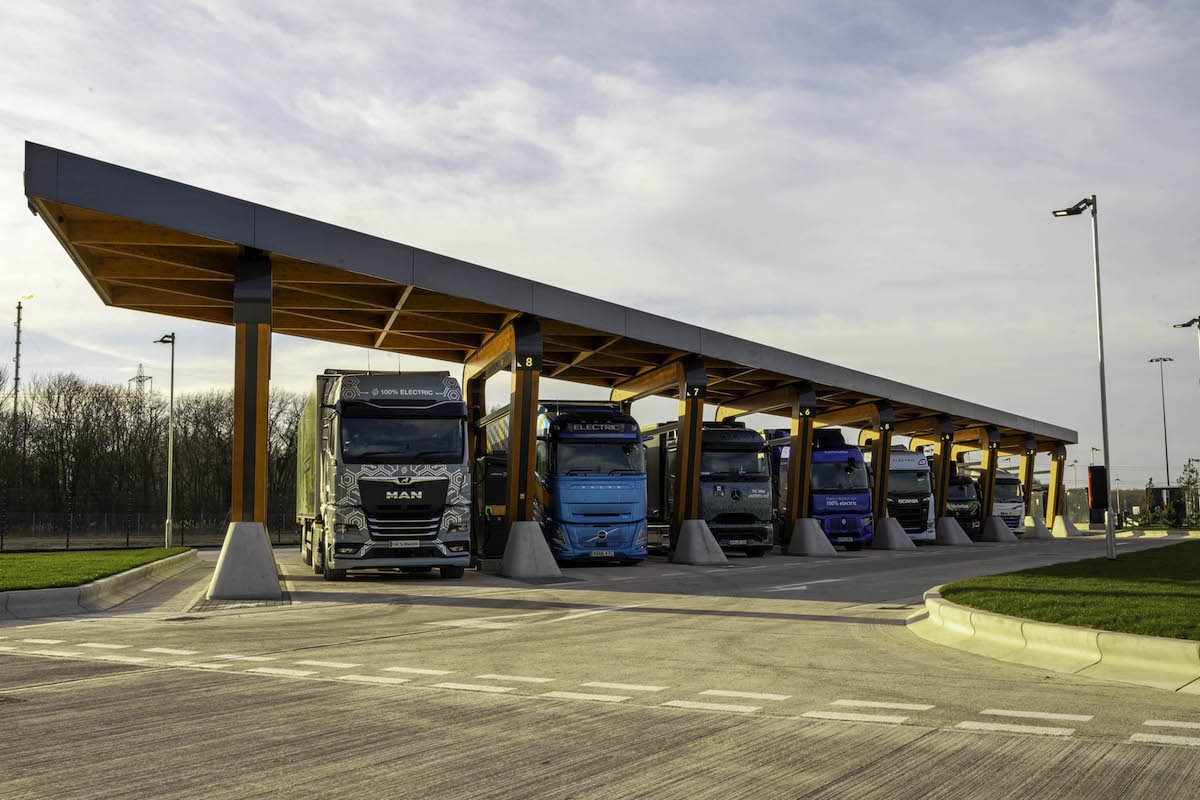
Alongside the ambitions set out in ESA’s Vision 2040 is the ESA’s Net Zero Strategy, published in 2021 – a plan and commitment to achieve net zero by 2040. This will require decarbonising vehicle fleets, increasing plastics recycling, moving organic waste out of landfill, improving the energy efficiency of facilities, and developing carbon capture, usage and storage opportunities alongside greater use of district heating networks for energy-from-waste facilities. Each strand will require investment and commitment – and each will result in significant change.
Fifteen years sounds like quite a long time. However, I have items of clothing in my wardrobe older than that.
My prediction? The time will pass quickly, the pace of change will not slow – and in 2040, we may look back to 2025 and realise we were only just beginning to accelerate.
More about The Environmental Services Association
The Environmental Services Association is the UK trade body for the resource and waste management industry. Its members are the companies that collect, recycle, treat and dispose of the nation’s waste streams, as well as the technology and consultancy firms that enable that work. In short, if something is being reused, recycled, recovered or landfilled in the UK, there is a good chance an ESA member is involved.

Mat Crocker, Consultant to Environmental Services Association
LinkedIn
Key links:
ESA Net Zero Strategy
08 September 2025