


Reducing Grid Risk in Electrification
Grid connections are often the biggest risk in fleet and depot electrification. Even when vehicles, chargers, and funding are ready – connection delays, unclear ownership, and rigid delivery models can still push back go-live dates, drive up costs, and disrupt operations.
We’re pleased to share that VEV is now an Independent Connections Provider (ICP), accredited under NERS (the National Electricity Registration Scheme). It’s an important step for VEV – and a practical one for customers – because it strengthens our ability to deliver electrification programmes with greater pace, lower risk and clearer accountability from strategy through to operation.
In simple terms, becoming an ICP means VEV can now play a bigger role in delivering the grid connection – helping customers move faster, reduce avoidable delays and build infrastructure that supports long-term growth.
What Does It Mean to Be an ICP – And Why Does NERS Matter?
Some parts of a grid connection are contestable, meaning customers can choose an accredited provider to deliver those elements, rather than relying solely on the Distribution Network Operator (DNO).
NERS accreditation is the industry framework that confirms an ICP is qualified to design and deliver specific electricity network works safely, compliantly and to the required standard. For customers, that matters because it increases control over key stages of the connection process, and improves confidence that delivery is coordinated properly.
The Customer Reality: Grid Is Often the Blocker
For many electrification programmes, grid isn’t a line item – it’s the dependency everything else waits for. When connection timelines slip, the knock-on impacts are immediate:
- Fleet deployments are delayed.
- Chargers sit idle.
- Temporary generation becomes a costly stopgap.
- Internal teams spend time managing stakeholders rather than running operations.
Customers need certainty, pace and confidence. And because grid connections involve multiple parties and sequencing constraints, having an ICP / NERS-accredited partner can make a measurable difference – particularly where timelines are tight or operations are sensitive.
What Changes For Customers Now That VEV Is An ICP?
The biggest shift is that customers aren’t locked into a single delivery route for every element of the connection. Where works are contestable, ICP delivery introduces choice – and with it, clearer accountability and better programme alignment.
In practice, customers typically see benefits such as:
- More predictable delivery timelines, with fewer surprises.
- Reduced programme risk, through tighter coordination and sequencing.
- Less internal effort spent managing multiple parties.
- Infrastructure that’s right-sized and future-ready, aligned to growth plans.
These improvements show up across delivery, operations and long-term cost control.
A Real-World Example: Waterbeach Renewable Energy Network (WREN), Greater Cambridge
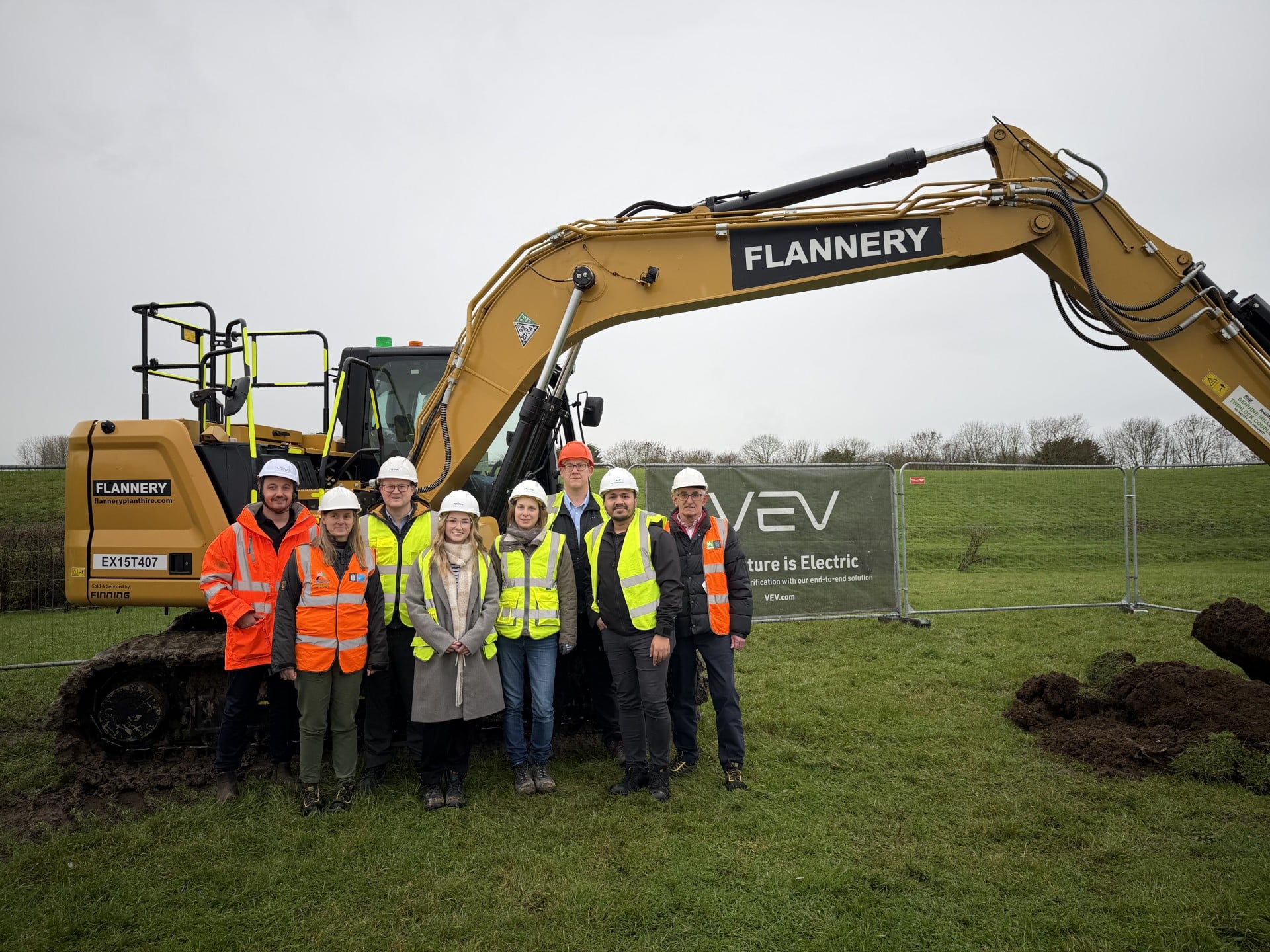
At Waterbeach in Greater Cambridge, VEV is already using its new ICP capability to help remove one of the biggest blockers to fleet electrification: grid capacity. We’re partnering with Cambridge City Council, South Cambridgeshire District Council and the Cambridgeshire and Peterborough Combined Authority on the Waterbeach Renewable Energy Network (WREN) – a pioneering depot energy scheme combining a 1MW solar installation with 2MWh of battery storage and 36 high-powered charging points for electric waste vehicles. The on-site generation and storage will provide around 59% of the energy needed to power the depot and support the transition to a larger electric bin lorry fleet, helping ensure operations can continue smoothly even when solar output is low.
WREN is also the first project VEV is delivering as an ICP, with a new on-site substation installed to connect the solar and battery system to the local distribution network – demonstrating how ICP delivery can accelerate critical infrastructure and unlock scalable electrification where the existing grid would otherwise limit expansion.
Faster Delivery with Fewer Surprises
Customers can appoint an ICP to deliver the contestable parts of a connection, rather than relying solely on the DNO for the full scope. Introducing an ICP can mean shorter lead times and clearer ownership – especially where delivery sequencing is complex and needs to align with site readiness or fleet rollout.
As an ICP, VEV can help reduce uncertainty by aligning grid delivery to the wider programme plan, so energisation is less likely to become the point where everything stalls.
Customer benefit: more predictable go-live dates and reduced risk to fleet or site readiness.
Reduced Operational and Commercial Risk
Connection delays don’t just affect schedules – they affect operations. Vehicles can arrive before infrastructure is energised, chargers can be installed but unusable, and temporary generation can become an expensive “bridge” that wasn’t in the business case.
ICP-led delivery helps reduce the total cost of delay, not just the upfront connection cost. That often includes:
- Minimising reliance on temporary generation where possible.
- Reducing idle vehicles, chargers, or site works.
- Improving alignment to service and operational commitments.
Customer benefit: lower indirect costs and less disruption to day-to-day operations.
Assurance On Safety, Quality and Compliance
Grid connection works are critical infrastructure. Customers need confidence that design and delivery is safe, compliant, and meets adoptable standards.
NERS accreditation provides that assurance. It confirms an ICP is qualified within defined scopes and standards, and it supports effective interface management with the DNO – which is often where friction or delays can occur.
Customer benefit: peace of mind that critical infrastructure is delivered properly and compliantly.
Less Complexity for Customer Teams
Grid connections can quickly become stakeholder heavy. There are designs to coordinate, permits to secure, approvals to navigate, and DNO interfaces to manage – all alongside the broader electrification programme.
A strong ICP partner takes on much of the heavy lifting, including:
- Design coordination.
- Permits and approvals.
- DNO liaison.
- Programme sequencing and handover.
Customer benefit: fewer stakeholders to manage, reduced internal burden, and clearer ownership from design through to energisation.
Right-sized Infrastructure That Supports Growth
Electrification rarely stops at phase one. The connection you build today needs to support what comes next: more vehicles, more chargers, and larger or more complex sites.
ICP-led planning helps ensure customers get:
- The capacity they need today.
- A scalable foundation for future expansion.
- Avoidance of unnecessary over-provisioning.
Customer benefit: better capital efficiency and infrastructure that grows with your electrification roadmap.
Where This Matters Most: Sector Examples
While the value of pace and certainty is universal, the impact of ICP delivery is particularly strong in certain sectors.
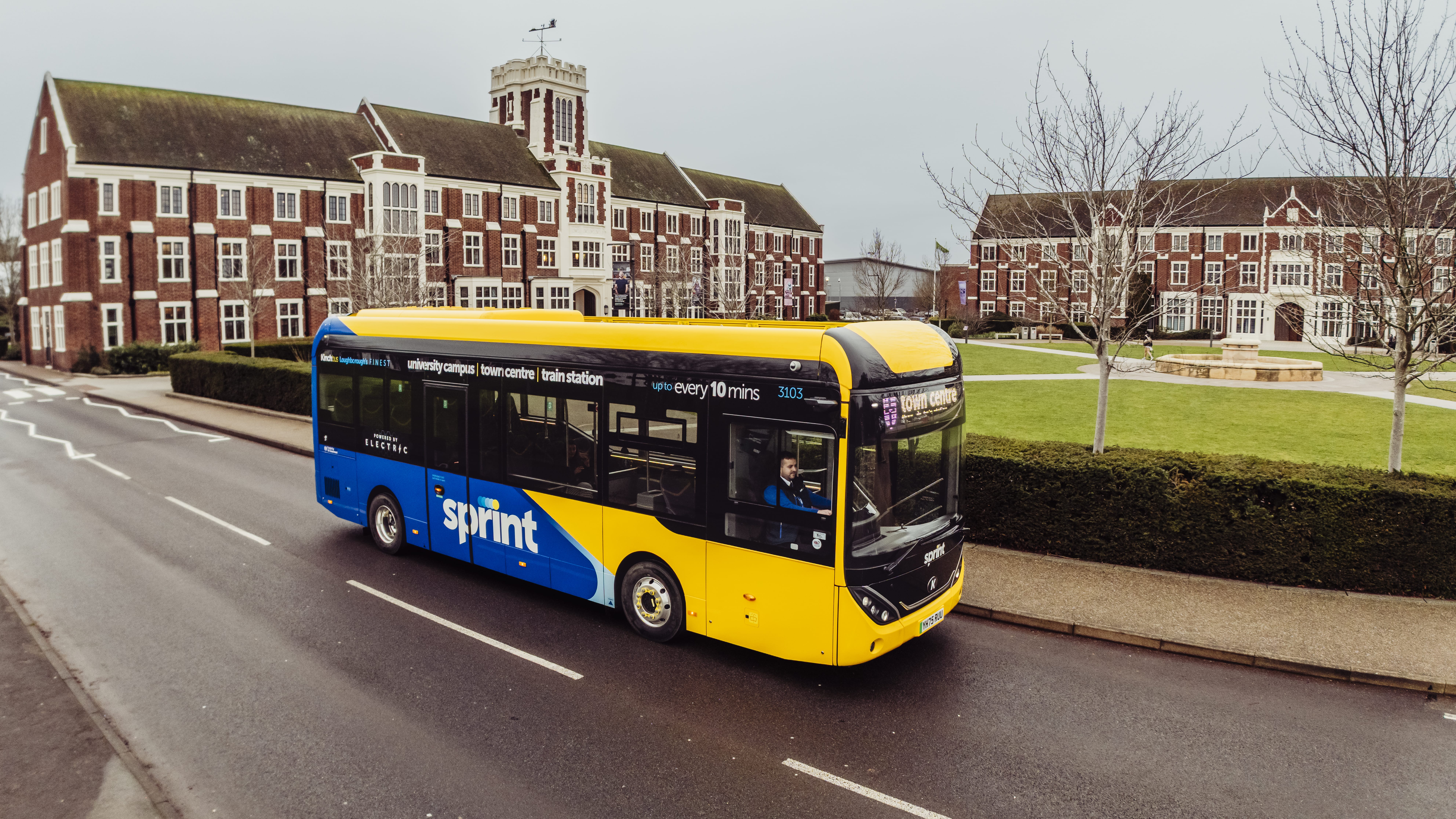
For transit (bus) operators, fleet availability and timetable certainty are critical. Protecting depot energisation dates helps keep service transitions on track – without relying on temporary generation or delaying operational change.
For waste operators, operational continuity, compliance and public service delivery are key. Reducing the risk of depot downtime helps ensure electrification aligns with collection schedules and council commitments.
For logistics, throughput and scale matter most. Faster energisation and scalable capacity planning can help sites prepare for phased fleet growth without repeated disruption or redesign.
For local authorities, governance and transparency are front of mind. NERS-accredited delivery provides assurance on safety and standards, while competitive ICP delivery supports clearer accountability across complex stakeholder environments.
Questions You Might Have…
Does this mean VEV replaces the local DNO?
No. The local DNO still plays a critical role and remains responsible for non-contestable works, such as final connection approval and certain network activities. VEV’s ICP accreditation allows us to deliver the contestable elements and coordinate effectively with the DNO, reducing friction and improving overall delivery.
Is ICP / NERS Accreditation The Whole Grid Connection Process?
No – and this is important. ICP/NERS accreditation is one part of the wider grid connection journey, which typically includes:
- Network assessment and capacity checks.
- Design and planning.
- Contestable works (which VEV can now deliver).
- Non-contestable works delivered by the DNO.
- Final energisation and commissioning.
The value for customers is that VEV can now take greater ownership across key stages and reduce risk through improved coordination.
What Parts of The Connection Can VEV Deliver as an ICP?
As an ICP, VEV can deliver contestable works, which may include design and engineering activities, civil works, electrical infrastructure installation (within accredited scopes), plus coordination and handover to the DNO.
Does Using an ICP Guarantee Faster Grid Connections?
A provider can not remove all grid constraints. However, using an ICP introduces choice and competition, improves programme coordination, and reduces delays caused by unclear ownership or sequencing – helping minimise avoidable delays even where some elements remain outside direct control.
How to Integrate ICP Delivery into Your Strategy
If you’re planning a new site, expanding a depot, or building a phased fleet rollout, the best time to consider ICP delivery is early. The sooner grid is integrated into programme planning, the more value can be unlocked across timelines, risk reduction and long-term scalability.
If you’d like to find out more, contact us here
January 21, 2026