



Quick Summary
- Better transport depends on joined-up systems, not single solutions.
- Buses remain central to improving access to jobs, education, healthcare and local communities.
- Investment in bus services delivers wider social, economic and environmental benefits.
- Electric buses improve passenger experience as well as reducing emissions.
- Successful electrification requires charging infrastructure, depot upgrades and strong partnerships.
- The transition is creating new skills, careers and opportunities across the transport sector.
- Better passenger infrastructure, real-time information and integrated ticketing are key to making public transport easier to use.
Better transport means thinking beyond the vehicle
As Better Transport Week shines a spotlight on the role public transport plays in creating healthier, more connected communities, one thing is becoming increasingly clear: delivering better transport isn’t about a single innovation, policy change or investment programme. It’s about creating a joined-up system that makes public transport the easiest, most attractive choice for more people.
From affordable fares and reliable services to cleaner vehicles and better infrastructure, improving transport requires action across the entire passenger journey. And while electrification is a critical part of that future, the conversation is increasingly moving beyond vehicles alone to focus on how transport networks can deliver wider social, economic and environmental benefits.
Better transport starts with better bus services
Buses remain Britain’s most popular form of public transport, connecting people to jobs, education, healthcare and leisure opportunities every day. Yet operators and local authorities continue to face competing demands.
Passengers want services that are affordable, frequent and reliable. Governments want faster progress towards net zero. Communities want improved access, particularly in rural areas where transport links can be limited. At the same time, operators are being asked to modernise fleets, invest in infrastructure and improve customer experiences.
The challenge is that all of these objectives require investment.
Research from Campaign for Better Transport suggests that relatively modest increases in funding could significantly improve service provision, particularly in underserved communities. More ambitious investment could unlock transformational improvements in frequency, accessibility and network coverage, creating a virtuous circle where better services attract more passengers, ultimately reducing the need for ongoing subsidy.
Importantly, investment in buses delivers benefits far beyond transport. Improved public transport supports public health, reduces social isolation, opens access to employment and education, and strengthens local economies. Viewed through that lens, funding buses is not simply a transport cost, it is an investment in wider societal outcomes.
Electrification Delivers More Than Carbon Savings
Much of the conversation around transport decarbonisation understandably focuses on emissions reduction. However, the benefits of electric buses extend far beyond carbon targets.
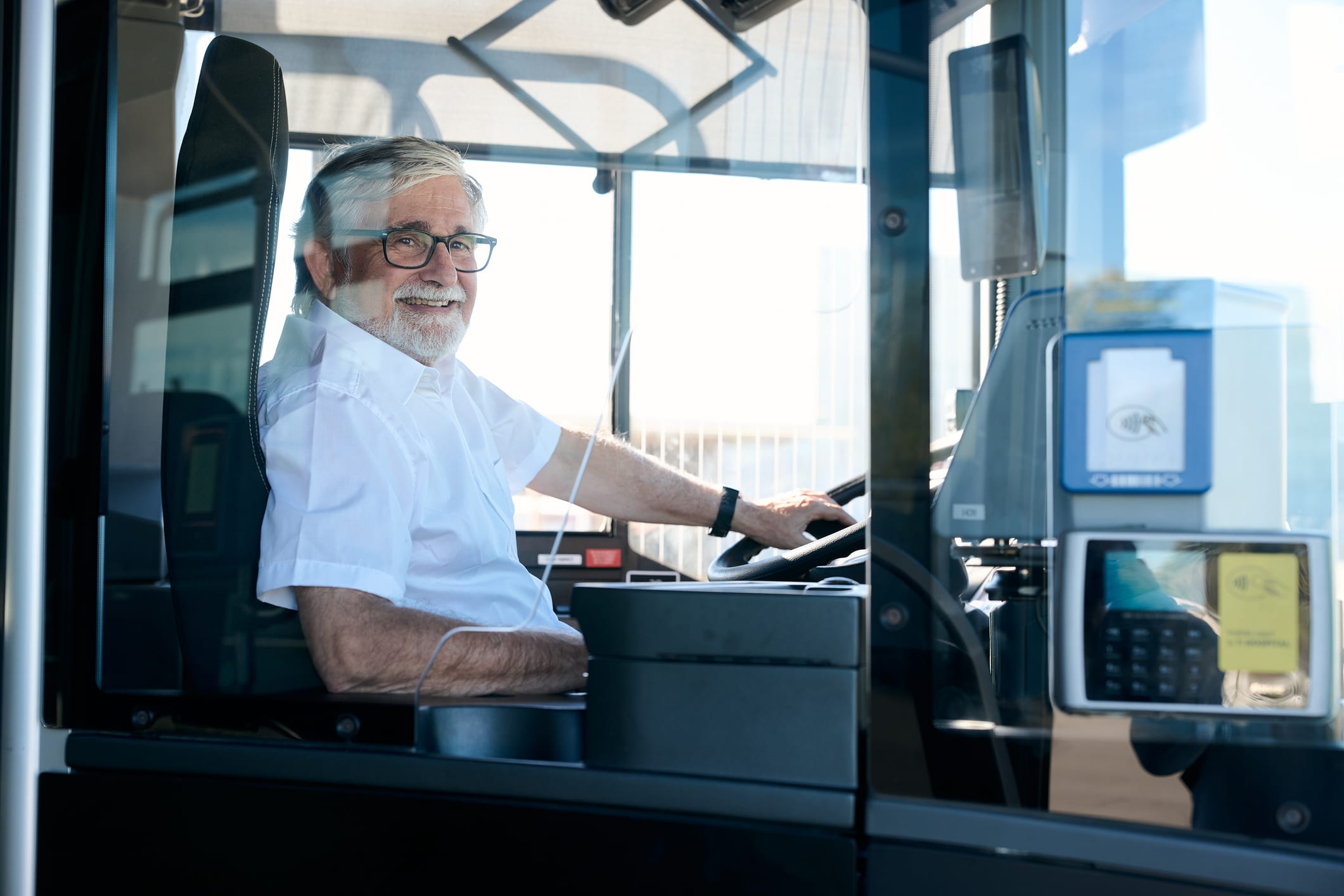
Passengers experience quieter, smoother and more comfortable journeys. Local communities benefit from improved air quality and reduced noise pollution. Operators can provide more modern, accessible vehicles equipped with features such as enhanced wheelchair spaces, audio-visual passenger information systems and improved onboard technology.
For many passengers, these improvements are immediately visible.
Operators introducing electric fleets consistently report positive customer feedback, with newer vehicles helping to improve perceptions of bus travel and encouraging more people to choose public transport.
This demonstrates an important point: electrification is not simply a sustainability project. It is a customer experience project too. When passengers see cleaner, quieter, more modern buses arriving at their stop, they see a public transport system investing in the future.
The Infrastructure Behind the Transition
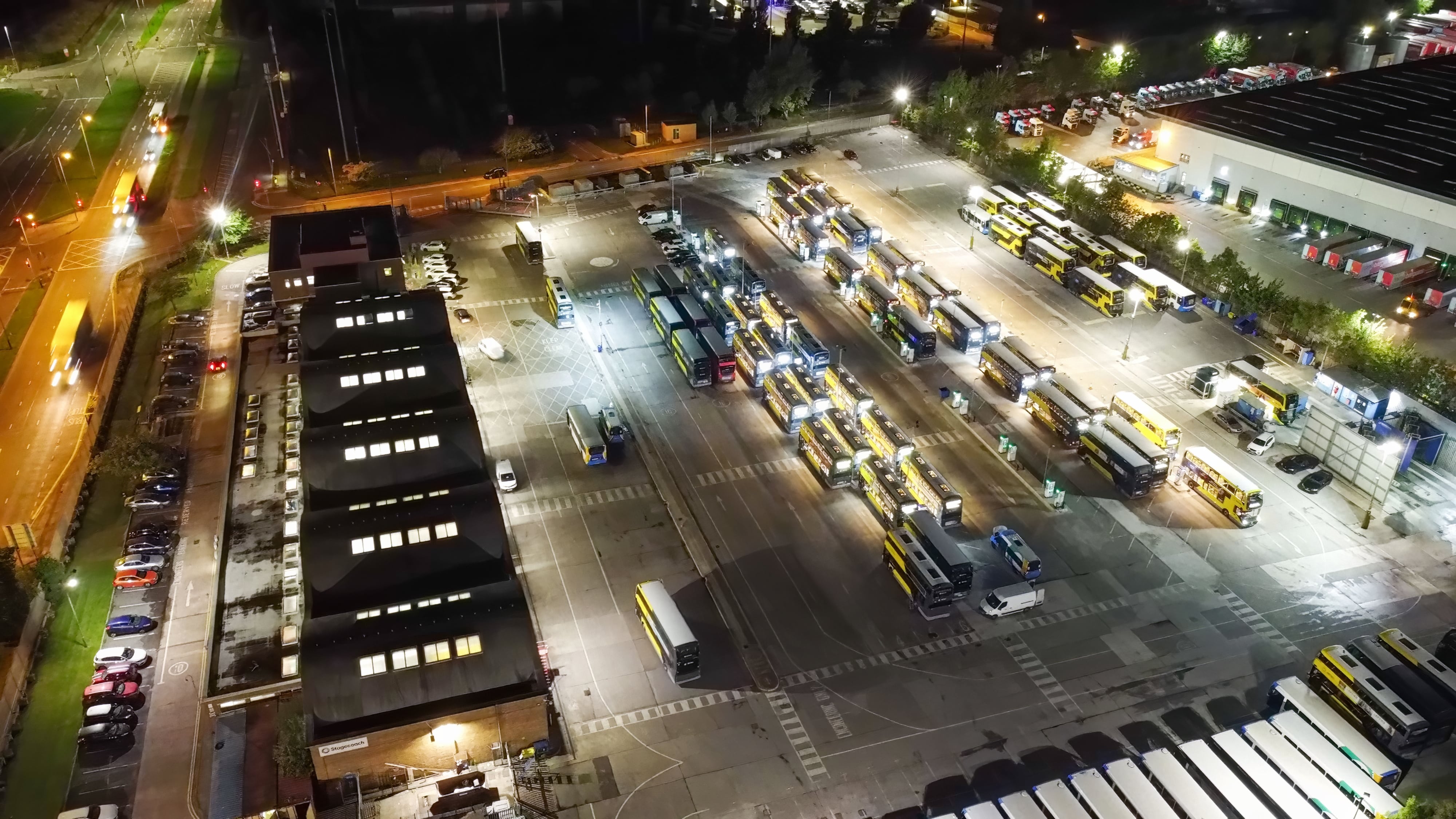
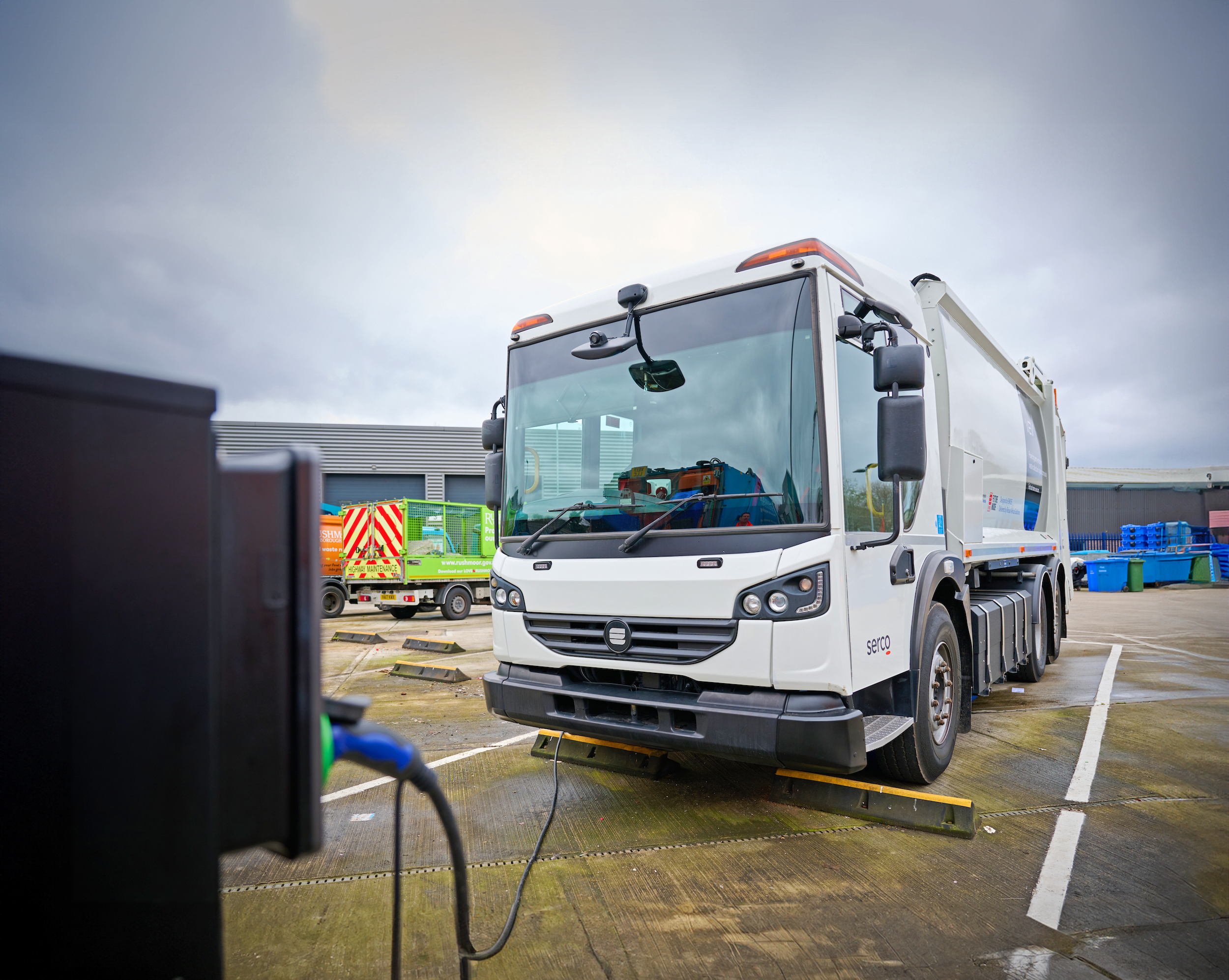
Of course, delivering electric bus fleets requires more than purchasing vehicles. Behind every successful electrification programme sits a complex infrastructure project involving power upgrades, charging systems, depot redesign and long-term operational planning.
These challenges are often invisible to passengers, but they are critical to achieving reliable, scalable electrification.
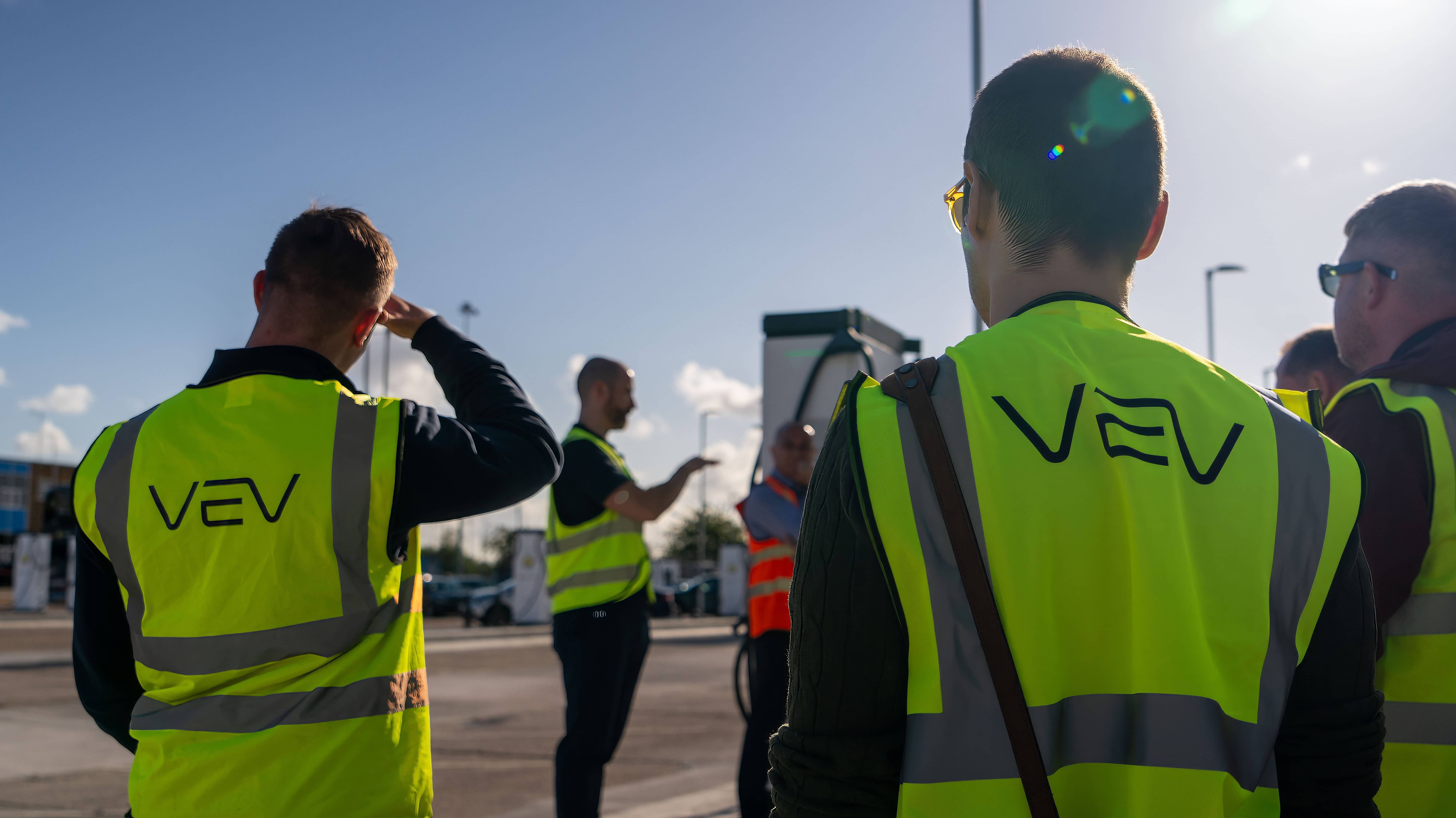
At VEV, we see first-hand how successful fleet electrification depends on close collaboration between operators, local authorities, energy providers and technology partners. The transition requires careful coordination, significant investment and a long-term view of operational requirements.
The encouraging news is that these challenges are increasingly being overcome. As operators gain experience and technology continues to mature, electric buses are proving themselves as a reliable and effective solution across a variety of operating environments. What once felt innovative is rapidly becoming business as usual.
Investing in Skills for the Future
The transition to electric transport is also transforming the workforce that supports it. Electric buses have significantly fewer moving parts than traditional diesel vehicles and require different maintenance approaches, diagnostic tools and technical expertise.
As a result, operators are investing heavily in upskilling and reskilling engineers, technicians and operational teams. This presents an exciting opportunity. The growth of clean transport technologies is creating new career pathways and helping attract fresh talent into the industry. From high-voltage engineering to data-driven fleet management, the transport sector is becoming increasingly technology-focused.
For an industry that has historically faced challenges attracting younger and more diverse talent, electrification offers a chance to reshape perceptions and create exciting new career opportunities.
Looking beyond the vehicle
While electric buses often dominate headlines, Better Transport Week reminds us that passengers experience public transport as a complete journey, not as a collection of separate components. That means infrastructure beyond the vehicle matters too.
Accessible, well-maintained bus stops, real-time passenger information and integrated ticketing systems all play a vital role in making public transport attractive and easy to use.
For many passengers, the quality of the waiting experience can influence perceptions of the entire journey. A well-lit shelter with accurate real-time information can make public transport feel dependable and welcoming. A poorly maintained stop with outdated information can have the opposite effect.
Similarly, digital ticketing and integrated payment systems are helping remove barriers to travel. Passengers increasingly expect the same level of convenience and real-time information they receive from other digital services in their daily lives.
A shared vision for better transport
Perhaps the strongest message to emerge during Better Transport Week is that delivering better transport requires partnership. Whether through enhanced partnerships, franchising arrangements or collaborative local initiatives, success depends on operators, local authorities, policymakers and private-sector partners working towards shared outcomes.
Passengers ultimately care less about delivery models and governance structures than they do about receiving reliable, affordable and accessible services. The challenge for the industry is therefore not simply to deploy new technologies or secure additional funding. It is to create transport networks that genuinely meet the needs of the communities they serve.
Looking ahead, the vision is clear: cleaner fleets, smarter infrastructure, integrated networks, better passenger experiences and greater accessibility for all. Achieving that vision will require continued investment, innovation and collaboration. But the prize is significant; a transport system that supports economic growth, improves quality of life and accelerates progress towards a more sustainable future.
That is what Better Transport Week is ultimately about: not just moving people from A to B but creating better places and better opportunities through better transport.
Find out how VEV is powering the future of public transport, get in touch ask@vev.com