


Quick Summary
- Ports are increasingly constrained by power availability, making energy planning a core part of future growth.
- Electrification means port capacity is no longer just about land, berths and logistics assets – it also depends on power readiness.
- Power should be planned around the parts of the estate where it can unlock the most commercial value, such as shore power, cold chain, HGV charging and industrial clusters.
- A live power strategy helps ports connect future demand, commercial opportunity and infrastructure investment.
- Port leaders should map future power demand, model growth scenarios and build a phased investment roadmap.
- Ports that plan power early will be more agile, more competitive and better able to turn growth opportunities into commercial returns.
Ports already know power matters
That was the argument in the first blog in this series: as ports electrify, power becomes a new measure of capacity.
The next question is more practical.
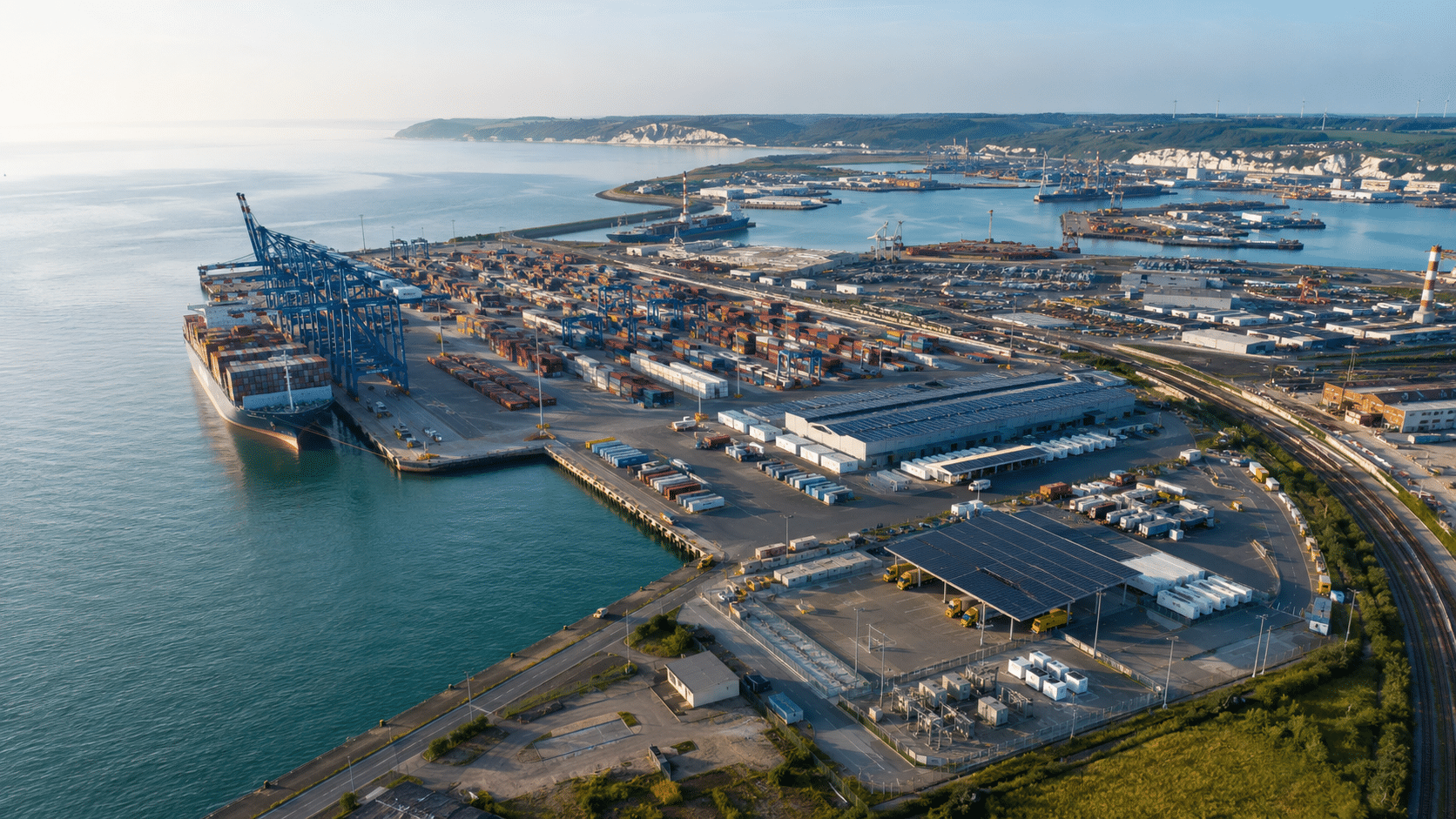
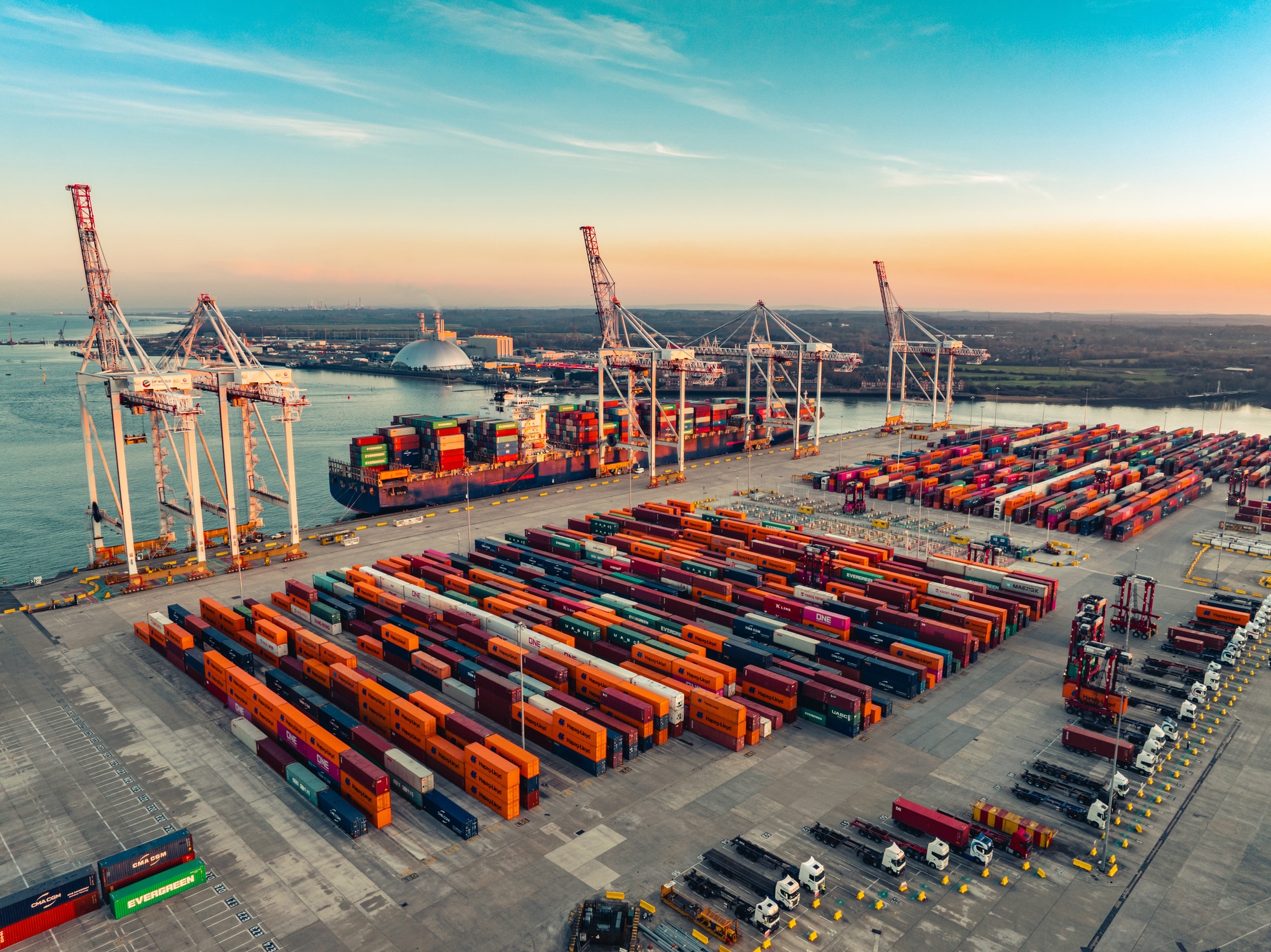
If power is becoming part of port capacity, where will it create the most value – and what happens if it is not ready in time? That question is becoming urgent. British Ports Association research indicates that many UK ports are already constrained by available power, with the UK Government’s Net Zero Ports call for evidence citing BPA’s position that seven of the ten largest ports in England and Wales are operating at or near the limit of their current grid capacity.
At the same time, future demand is growing. Shore power, electric cargo handling, cold chain, HGV charging, automated warehouses, green corridors and industrial clusters all depend on power being available in the right place, at the right time and at the right scale.
This is not just a decarbonisation issue – it’s a growth issue.
When power is late, growth slows
Ports have always linked growth to physical assets: quayside, land, sheds, cranes, road and rail links, berths and tenant demand.
Those assets still matter. But electrification changes what they can support.
- A berth with shore power is not the same commercial asset as a berth without it.
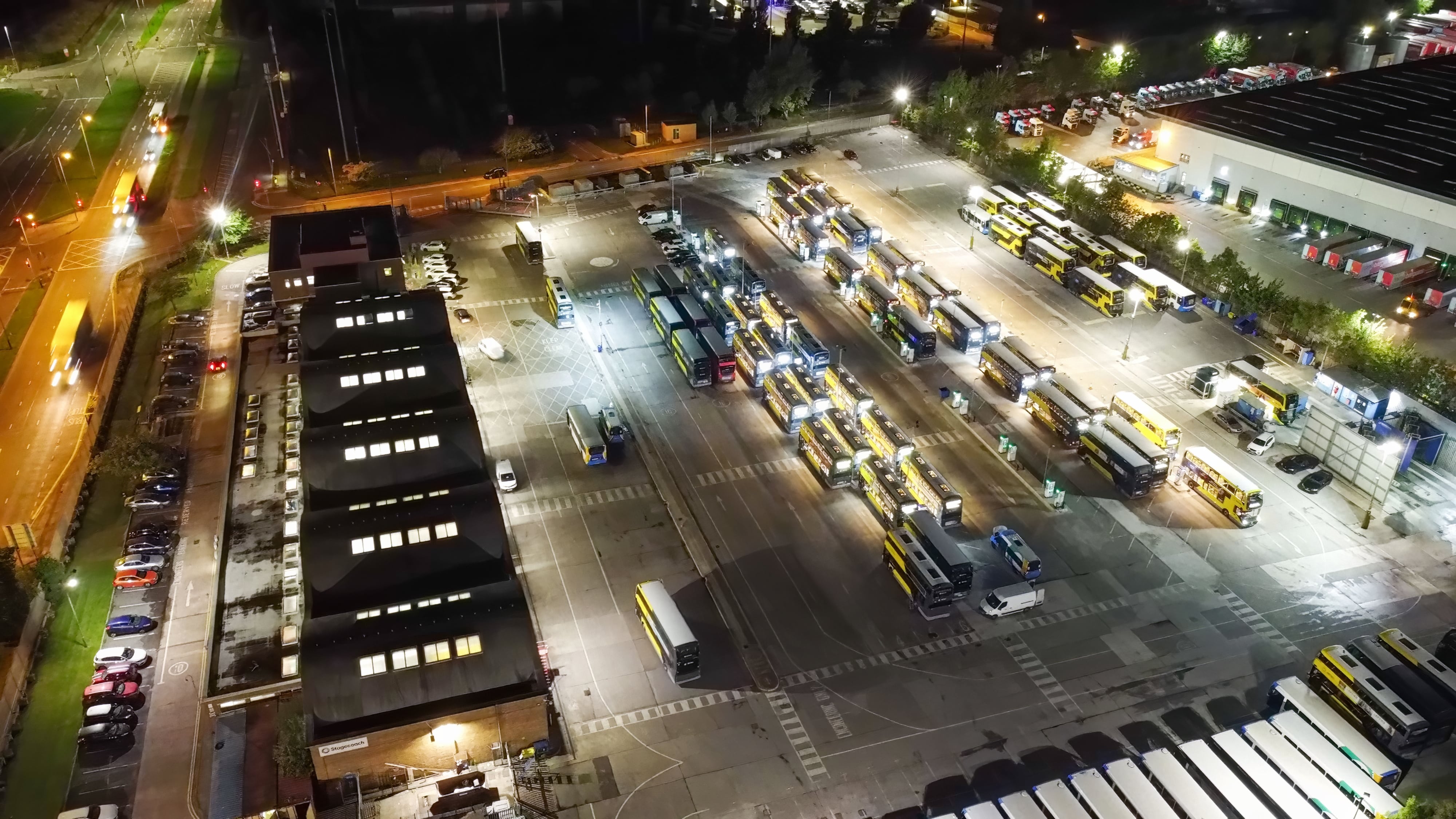
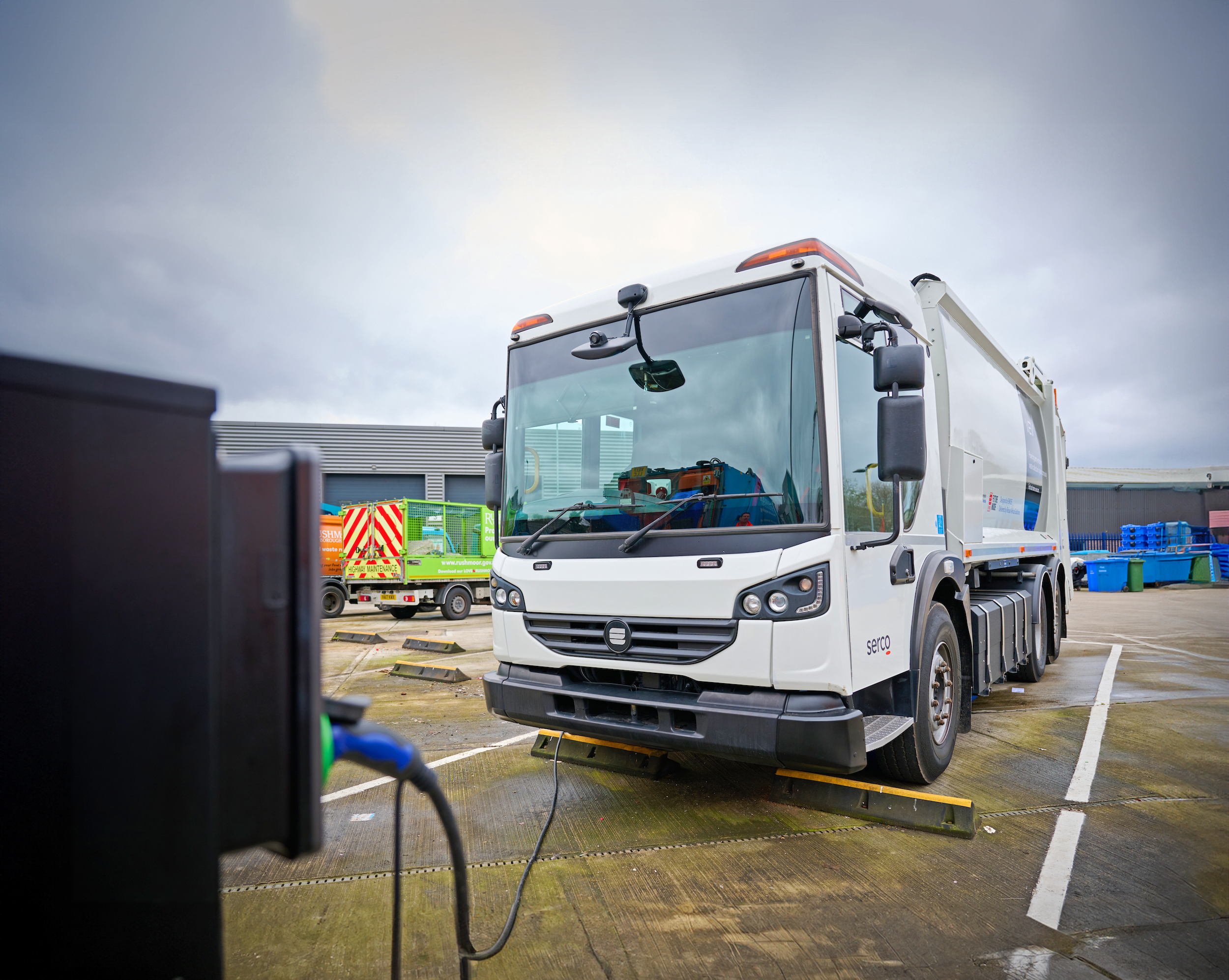
- A logistics site with charging capacity can serve different customers from one that simply offers space.
- A cold chain facility, automated warehouse or clean industrial cluster can only scale if the power system behind it is ready.
This is the commercial risk. A port may have the land, the customer interest and the strategic ambition, but still be held back because power infrastructure takes longer to deliver than the opportunity takes to appear.
That is how the gap opens. Not a gap in ambition, most ports have plenty of ambition. The gap is between commercial growth and power readiness.
If the gap is not recognised and managed early, it grows, and ports lose agility. They become slower to respond to new demand, slower to support innovation and slower to turn land into higher-value uses.
Power per square metre becomes a planning tool
This is where the idea of power per square metre becomes useful. Not as a blunt benchmark between ports. A bulk terminal, container terminal, cold chain site, cruise berth and logistics park will all have different power needs.
But as a planning lens, it asks a valuable question:
Does this part of the estate have the power to support the value we want it to create?
That is a more useful way to think about port capacity.
The issue is not whether every square metre needs more power. It does not.
The issue is whether the right parts of the estate have enough power to support the port’s future growth plan.
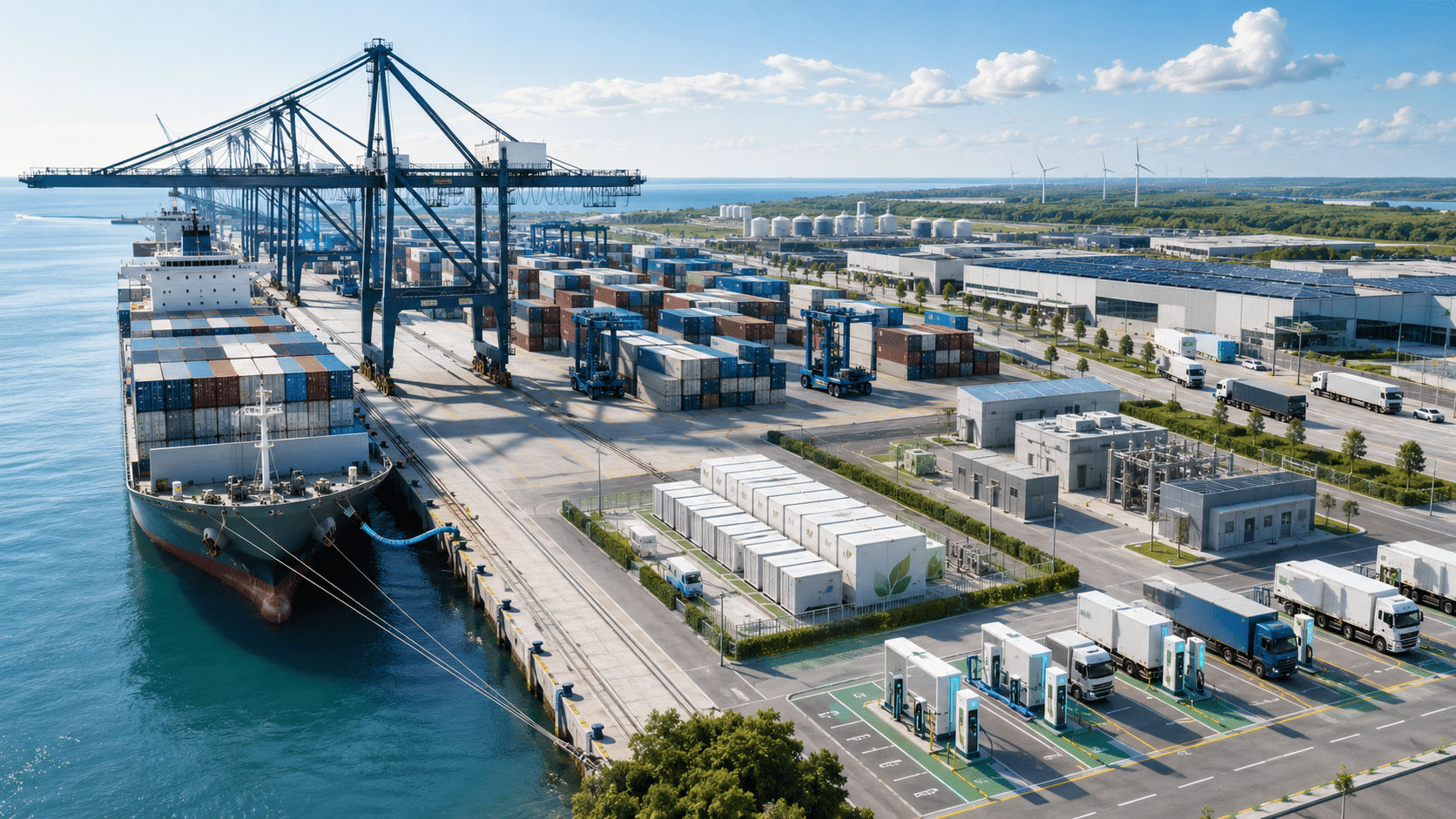
For one port, that may mean shore power at specific berths. For another, it may mean electric handling equipment in a yard, charging for HGVs near a gate, cold chain capacity in a logistics zone, or power-enabled industrial development just outside the port boundary.
The prize is not simply more power.
It is power in the places where it creates more commercial choice, value and return.
So what should port leaders do?
Ports need a live power strategy that links growth ambition, future demand and infrastructure delivery.
That means doing three practical activities.
1. Build a Power Demand Heat Map
The first step is to map where future power demand is likely to appear.
This brings the power per square metre idea down to estate level.
Which berths may need shore power? Which yards may need electric handling equipment? Which parts of the estate could support cold chain, automated warehousing or HGV charging? Which nearby logistics or industrial sites could become part of the port’s wider growth plan?
A Power Demand Heat Map shows where power intensity, land use and future value intersect.
It helps port leaders see where power could make land more valuable – and where lack of power could limit what that land can become.
It also makes the discussion more joined up. Commercial, property, operations, power and finance teams can work from the same picture of where future demand may emerge.
2. Create Growth Scenario Load Forecasts
Today’s load is only part of the story.
Ports need to model what happens if the growth plan succeeds.
What happens if a cold chain tenant arrives? If shore power demand grows across more than one berth? If electric HGV charging scales faster than expected? If cargo handling equipment is electrified across a terminal? If a nearby industrial cluster develops?
These scenarios turn commercial ambition into a power forecast.
That matters because future demand is uncertain, but power infrastructure often has long lead times. Ports do not need perfect certainty before they act. But they do need enough visibility to avoid being surprised by their own growth.
Good load forecasting helps show the shape of demand before it arrives.
3. Build a Phased Power Investment Roadmap
Once the future demand picture is clearer, ports can decide what needs to move first.
Some actions may involve grid upgrades. Others may involve substations, private networks, microgrids, on-site generation, battery storage, charging infrastructure or smarter load management.
The point is not to build everything at once.
It is to know which investments unlock growth, which protect future options, and which have the longest lead times.
That is how ports avoid overbuilding too early while still making sure power is not the reason growth stalls later.
What happens if ports do nothing?
The risk is practical.
- A berth upgrade may be physically ready, but unable to offer shore power.
- A cold chain or logistics tenant may choose another site with greater power certainty.
- An HGV charging opportunity may be delayed because local capacity is not ready.
- A port-linked industrial cluster may develop more slowly because power planning starts too late.
These are not just infrastructure problems. They are missed growth opportunities.
Power is now part of how ports compete.
Closing the gap creates agility
The ports that close the gap between commercial growth and power readiness will have more room to move.
They can respond faster to customers. They can test new uses for land. They can support tenants earlier. They can plan investment with more confidence. They can keep more strategic options open.
The next port expansion may still involve concrete. In many cases, it will.
But the next layer of growth will also depend on power: where it is available, how it is managed, and whether it is planned around the future role of the estate.
The question is no longer simply:
Can we get enough power?
It is:
Are we planning power around the growth we want to unlock?
Find out more
VEV helps complex transport and infrastructure operators turn growth plans into power strategies.
We model future load, assess grid and on-site energy options, design charging and microgrid solutions, and create phased investment roadmaps that support commercial growth.
Our work with Manchester Airports Group shows how this approach can work across large, live, multi-site infrastructure environments.
For ports, the same principle applies: understand where power will create value before demand arrives.
Get in touch by emailing ask@vev.com
1 July 2026