




The UK’s transition to zero-emission HGVs is entering a decisive policy phase. With 2035 and 2040 phase-out targets set, the Zero Emission Vehicle (ZEV) mandate for heavy goods vehicles is beginning to shape real-world investment decisions across freight, energy and infrastructure.
These mandates provide much-needed certainty around future requirements, and are an important mechanism to give manufacturers, operators, infrastructure providers and electricity networks the confidence to invest. But real progress will only come when supported by significant growth in depot power, grid connections, charging infrastructure and operational readiness.
The outcome of the government’s consultation into a new regulatory framework for HGV emissions is a critical next step in this regard.
Vehicle targets are only part of the challenge
For fleet operators, the question is no longer just whether electric trucks will be available. It is whether the infrastructure, energy systems and commercial conditions will be ready to support them at scale.
For many fleets, electrification is not a like-for-like vehicle swap. Diesel operations have been optimised over decades around refuelling speed, route patterns, payload, depot layouts and fuel pricing.
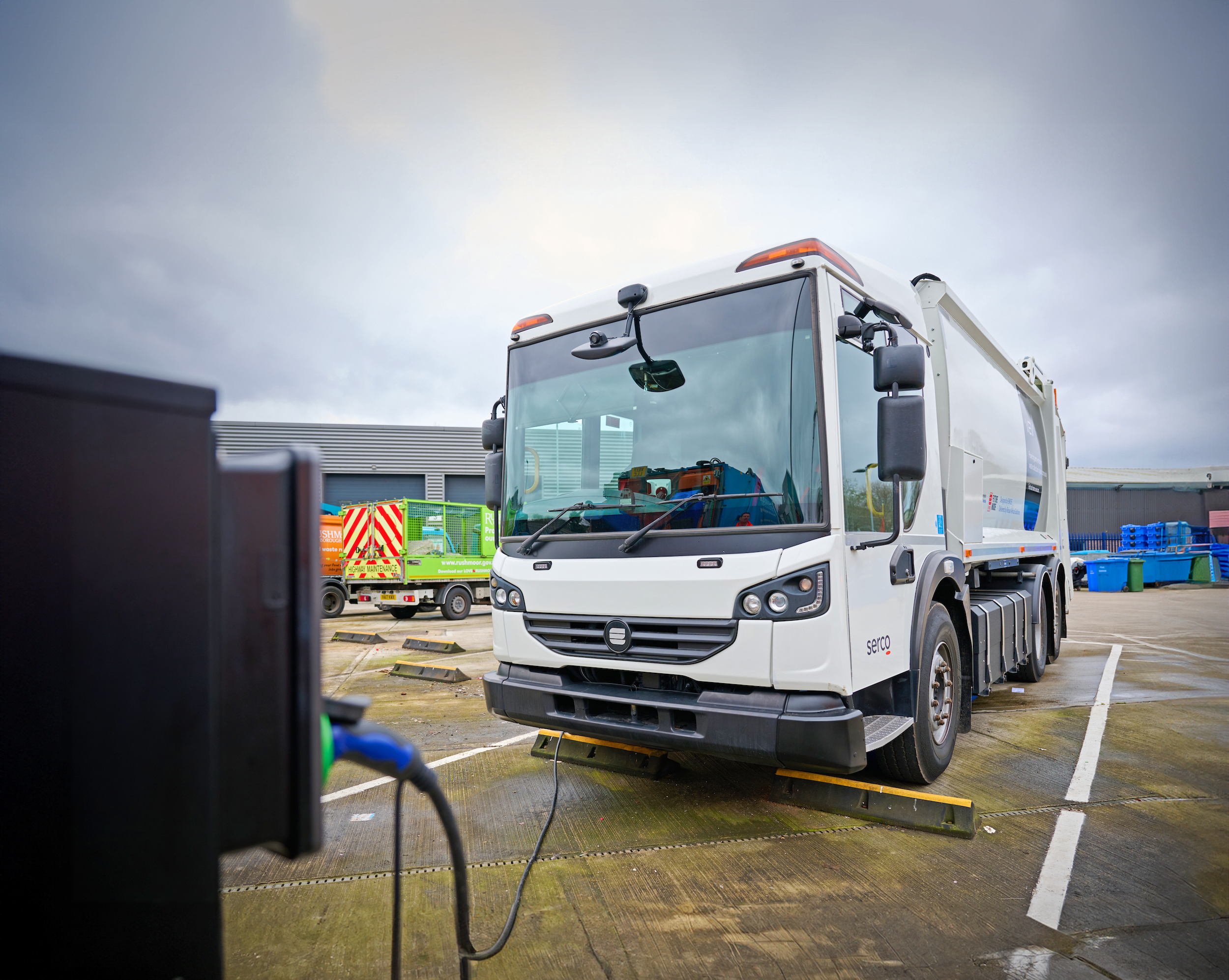
Electric HGVs require a different operating model. Charging must be planned around:
- routes and mileage
- dwell times
- shift patterns
- depot power availability
- electricity costs
- charging reliability
Infrastructure must therefore be designed around real fleet operations, not theoretical vehicle range.
Depot power will set the pace
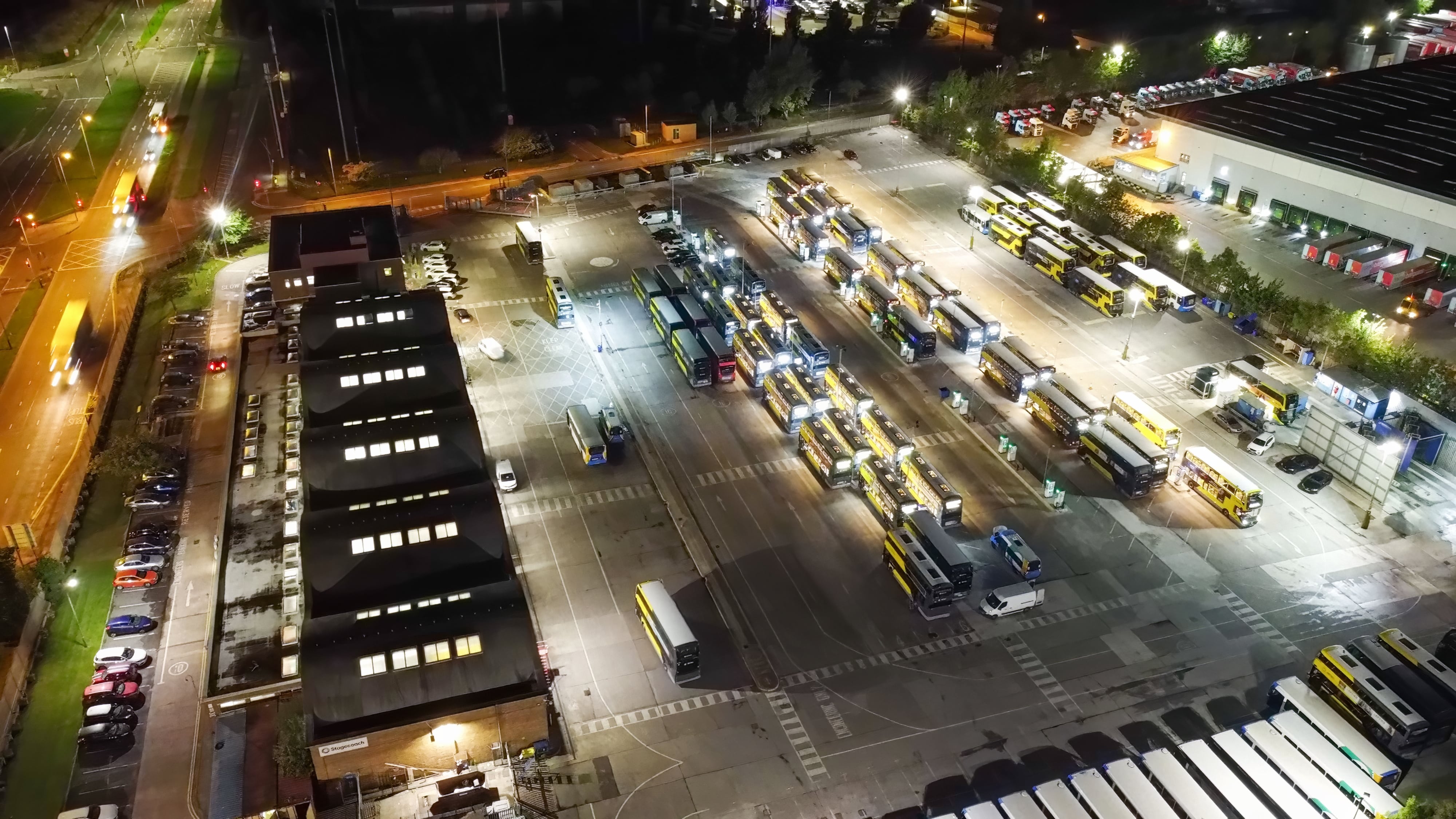
Many freight vehicles run predictable routes and return to known depots, making depot-based charging a strong option. But many depots do not yet have the power capacity to charge multiple heavy-duty vehicles at once.
Grid upgrades can take years. Long connection timelines create uncertainty for vehicle procurement, depot investment and customer commitments.
That is why grid readiness must be treated as a core part of transport policy. Freight electrification needs to be built into long-term energy system planning, with fleets, network operators, and government working together to anticipate where demand will emerge.
Waiting for individual depot projects to request grid upgrades risks creating bottlenecks just as adoption accelerates.
Megawatt charging needs early planning
High-power charging will be essential, both at depots and along strategic freight corridors for longer-distance operations.
Megawatt charging systems will play an important role where vehicles operate beyond depot range. But sites must be planned around real-world freight flows, logistics hubs and grid capacity, so corridor charging complements depot charging rather than duplicating or misplacing investment. On-site energy can also ease the pressure. Combined with smart energy optimisation, microgrid developments incorporating solar generation and battery storage can support on-site power demand, improve resilience and reduce the need for major grid upgrades by as much as 70%.
For many operators, these technologies will not be optional extras. They will be central to making depot electrification commercially and operationally viable.
Electricity pricing is now a board-level issue
Operators are used to managing diesel costs through established pricing mechanisms. Equivalent structures for electric freight are still immature.
Network charges, capacity charges, levies and peak demand costs can all affect the total cost of operating electric HGVs. If those costs are unpredictable, fleets will struggle to build confident business cases for vehicles and infrastructure.
Greater transparency over future electricity network and policy costs would reduce investment risk. Fleet operators need long-term visibility so they can model charging costs, price transport services and meet growing customer demand for lower-emission logistics.
Regulation must reflect operational reality
Regulatory design matters. A manufacturer-led ZEV mandate offers a clearer market signal than fleet purchase mandates.
Fleet purchase mandates risk:
- penalising operators without sufficient depot power
- disproportionately affecting smaller operators
- encouraging fleets to extend diesel vehicle life
- forcing procurement before infrastructure is ready
A vehicle sales mandate, backed by infrastructure policy, gives the market direction while recognising that fleets can only electrify when the operating conditions are in place.
What fleet operators should do now
A response to the government’s consultation is unlikely to be known until later this year (or even into 2027) but fleet operators should not wait. Those best placed for the transition will be the ones planning now.
The first step is identifying which routes, depots and duty cycles are suitable for electrification. From there, fleets can assess:
- charging windows
- power requirements
- grid constraints
- on-site energy opportunities
- total cost of ownership
- operational risks
The transition will be won or lost in the delivery details: depot layouts, connection queues, tariff structures, charging reliability and day-to-day operational planning.
Infrastructure will decide how fast freight electrifies
The UK has an opportunity to make freight decarbonisation both ambitious and practical. To do that, vehicle policy, charging infrastructure and electricity systems must move together.
A clear ZEV mandate is important. But without depot power, grid readiness, megawatt charging and predictable electricity costs, the mandate alone will not electrify freight.
For operators, the message is clear: the future of HGVs is zero-emission, but the transition starts with infrastructure.
7 May, 2026