

The electrification of commercial fleets is gaining serious momentum but at the heart of this transition lies a critical enabler: commercial charging hubs.
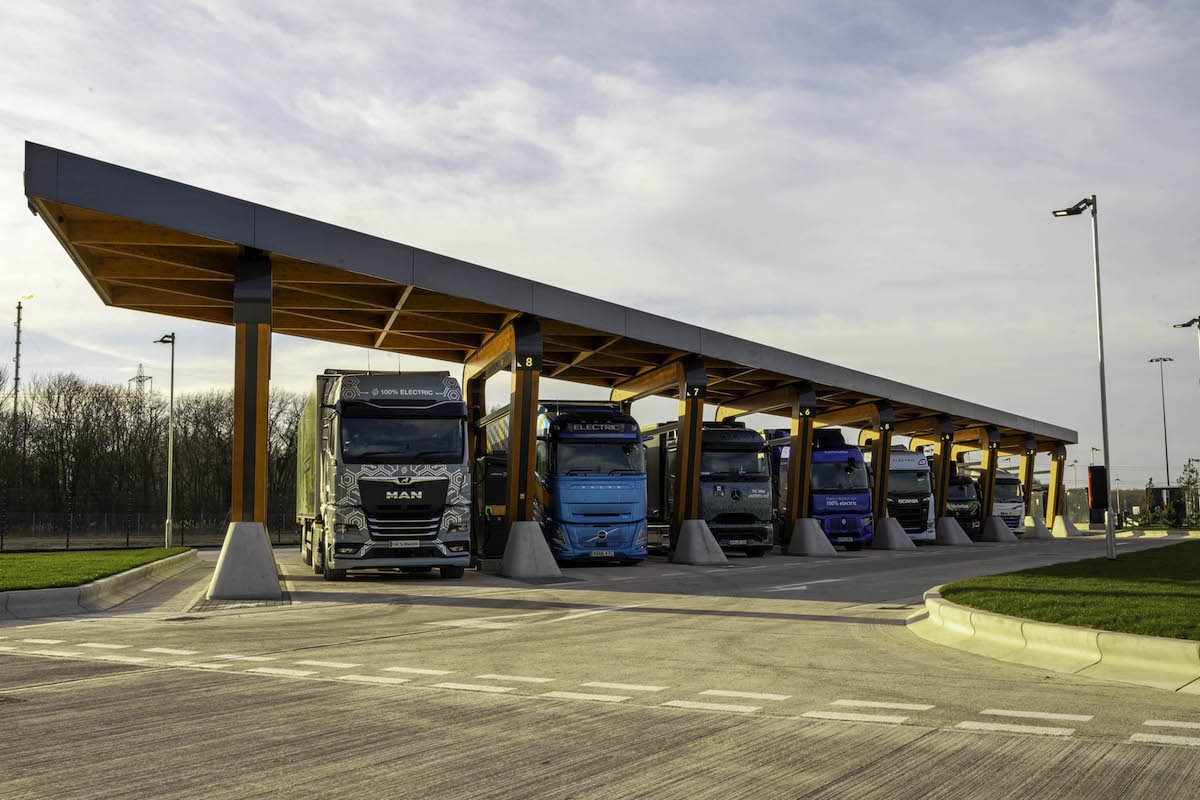
These purpose-built sites aren’t just plug-in points. They’re operational powerhouses – driving uptime, resilience, and smarter use of energy and infrastructure. As demand grows for faster, more efficient electric transport, hubs like the new Milence site at Immingham, developed with support from VEV, represent a blueprint for the future.
Here’s why charging hubs are central to scaling fleet electrification and how the right approach delivers value far beyond the plug.
Built for scale, speed & commercial realities
Fleet operators don’t have time for slow charging or limited capacity. They need infrastructure that works at scale – fast, reliable, and future-ready.
At Immingham, Milence has launched the UK’s first high-power charging hub for HGVs, equipped with 4 x 400 kW CCS chargers across eight bays with capacity to expand to 32. It’s built to keep trucks moving on tight schedules, whether they’re offloading nearby or en route across Europe.
Smart Location = Operational Advantage
Choosing the right location is critical to success. Proximity to ports, airports, major motorways, industrial zones and large distribution centres can make or break the decision. A well-connected site becomes a strategic hub.
That means fleets gain access to ultra-fast charging where it’s most valuable — at high-traffic, logistically critical junctions — reducing empty mileage and downtime.
Fully managed, future-proof delivery
Investing in a new hub isn’t just about chargers, it’s about creating a future proofed site that will grow with demand. This means securing the right location, factoring in flood mitigation, grid connectivity, charger installation, and exploring renewable energy options like solar to help offset power demand. Partnering with a provider that offers a turnkey delivery model takes the pressure off by streamlining the entire process from planning to deployment.
Sustainability beyond the socket
True decarbonisation goes beyond tailpipe emissions. Every element of the site should be assessed: can low-carbon building materials be used? How can the landscape be designed to support biodiversity? Is there space for solar canopies or other on-site renewable energy solutions?
Environmental responsibility can be embedded at every level of charging infrastructure.
Designed with drivers in mind
Commercial hubs aren’t just for vehicles – they’re for the people who drive them.
Prioritising safety, comfort and user experience is key. Well-lit, secure facilities and a clean, professional environment make a real difference – especially for fleets looking to attract and retain drivers.
B2B charging: smarter infrastructure sharing
One of the most exciting shifts in commercial EV charging is the move toward B2B infrastructure sharing.
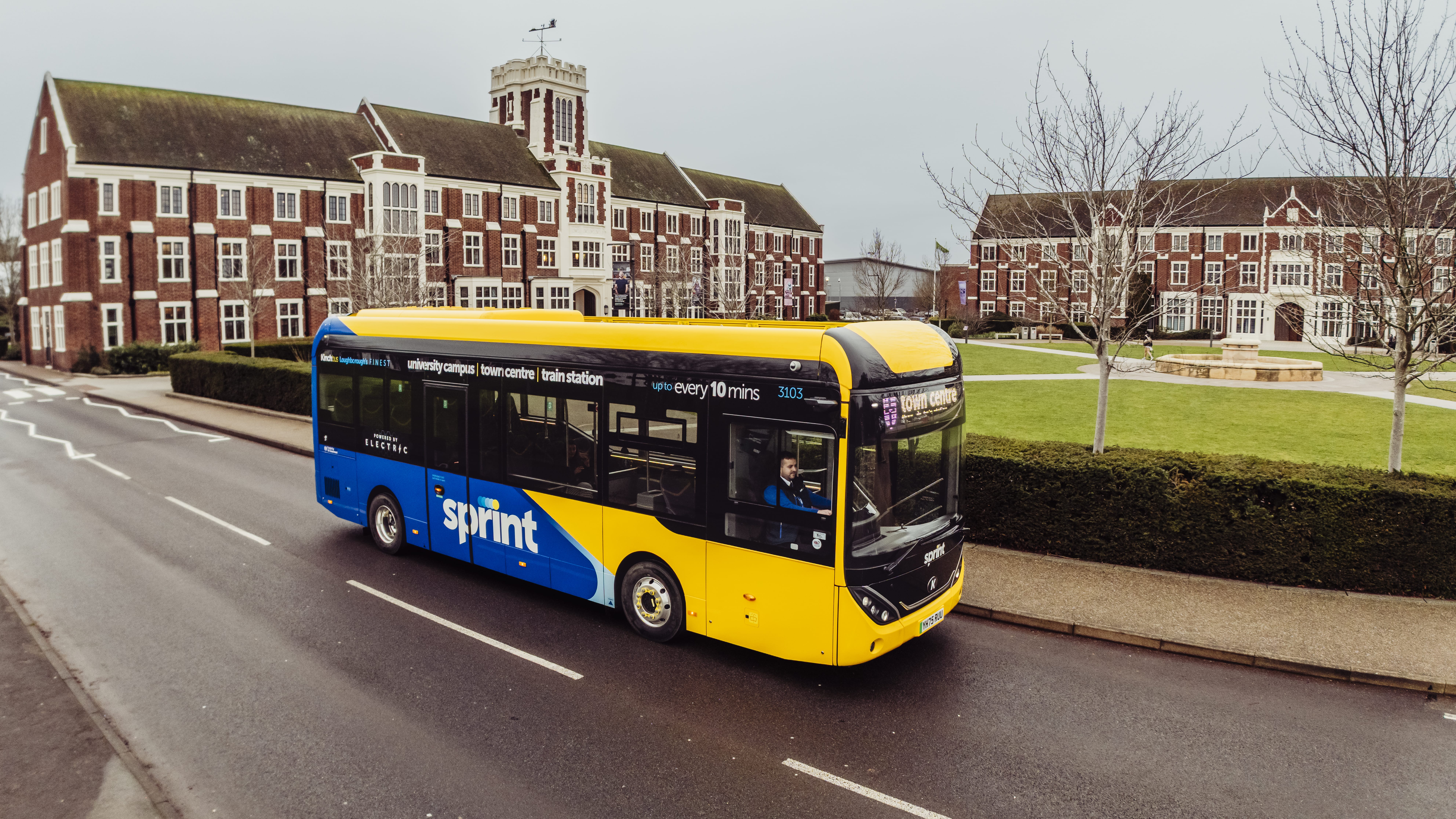
Operators like Stagecoach are already testing this model – allowing third-party fleets to charge at their depots during off-peak hours. It’s a win-win:
- Better ROI on underutilised assets
- Smarter energy use
- Local access to charging without major capex
Imagine a local delivery firm topping up at a nearby bus depot during the day whilst the buses are out; that’s the future of flexible, shared charging infrastructure and it’s already happening.
Why commercial hubs matter
- Operational agility: High-speed, high-throughput charging built for fleet schedules
- Energy resilience: Designed to integrate with solar, battery storage, and demand flexibility
- Shared value: Unlocks underused assets and accelerates access to charging
- Driver-first: Safe, comfortable, reliable environments that support real adoption
- Scalable by design: Hubs that grow with EV demand, not against it
The engine room of fleet electrification
Commercial charging hubs are more than infrastructure, they’re the engine rooms of zero-emission transport. Built with intention, they provide the foundation for cleaner, smarter logistics at scale.
In a world where uptime is king and carbon goals are non-negotiable, these hubs aren’t optional – they’re essential.
Ready to build smarter charging infrastructure?
VEV is your end-to-end partner for commercial EV infrastructure from site strategy and power planning to turnkey delivery and smart software like VEV‑IQ.
Whether you’re building a high-power hub, opening your depot to third parties, or simply looking to optimise your existing charging network, we’ll help you electrify faster, smarter, and with zero compromise.
Get in touch with our team at info@vev.com to explore how VEV can power your next project.