

For today’s fleet managers, electrification isn’t just about lowering emissions; it’s also about getting ahead. As the transport sector evolves, forward-thinking businesses are discovering that electric fleets are delivering more than sustainability – they’re driving efficiency, savings, and competitive advantage.
The Business Case for Electrification
Of course, the goal of net zero emissions is a powerful incentive to better the planet, but there are equally compelling business reasons for fleet managers to accelerate electrification now.
When we look at the wider market context, it’s becoming clear that electrification is not an additional cost – it’s a catalyst for smarter operations. Electric fleets typically benefit from lower total cost of ownership (TCO) through reduced fuel and maintenance expenses, while stabilising long-term operational costs. Furthermore, government incentives and funding programmes – such as the UK’s ZEBRA 2 initiative, which supports 955 zero-emission buses nationwide (UK Gov, 2024) – are making adoption more accessible than ever.
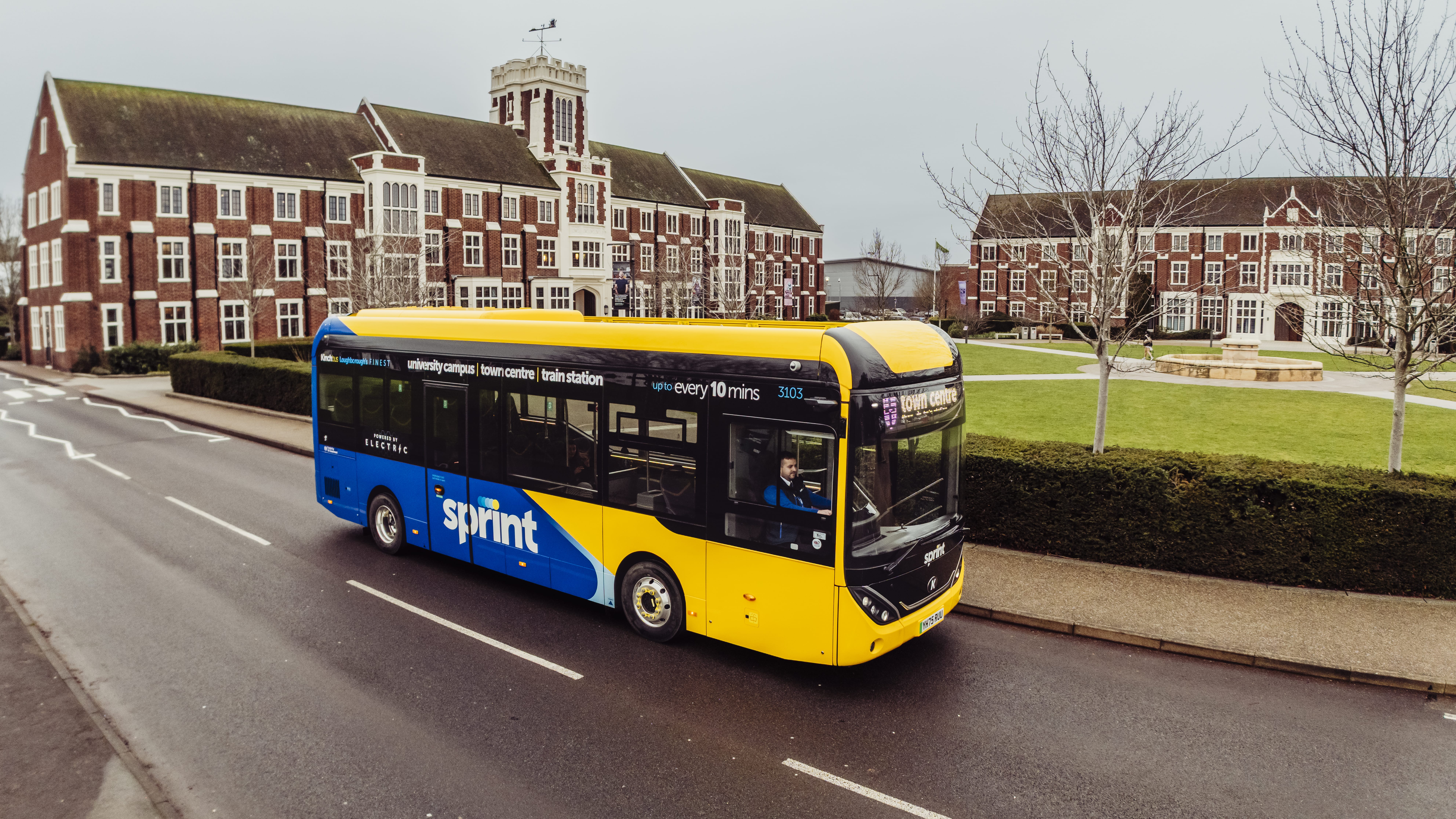
Momentum is already building. Over 2,000 zero-emission buses are now running in London, representing 20% of the city’s total fleet (TfL, 2025). Customers are also experiencing many of the rewards: a comfortable and smoother journey, as well as creating a quieter environment for residents and riders alike. In an article by Search London, ‘The absence of noisy, vibrating engines results in a smoother, quieter journey, making public transport more appealing and inviting.’ These changes are also welcomed by commuters. ‘The transition not only improves daily journeys but also signals a forward-thinking approach to urban transportation management,’ showing that from a reputational point of view, passengers are welcoming innovative change that fleets are undergoing.
Across the UK, more local authorities and private operators are setting electrification targets to align with sustainability goals, improve public perception and meet upcoming regulatory requirements.
Ultimately, electrification isn’t just about compliance or climate – it’s about future-proofing operations and staying ahead in a rapidly evolving transport landscape.
Optimisation Through Electrification
Electric vehicles (EVs) are transforming fleet operations far beyond the simple shift from combustion to battery power. One of the greatest advantages they bring is transparency – through digital platforms, real-time data, and automated systems that provide unprecedented visibility into every aspect of fleet performance. With the right connected technology, fleet managers can move from reactive decision-making to proactive, data-led strategies that optimise efficiency, safety, and sustainability.
By integrating EVs with advanced telematics systems, operators can monitor vehicle usage patterns, energy consumption, and route efficiency in real time. This integration enables predictive maintenance scheduling – flagging issues before they result in costly downtime – and delivers actionable insights into driver behaviour that can inform training and improve safety. This leads to improved operational efficiency, making it easier than ever to manage fleets. Electrification is the first step toward automation – the inevitable destination for the future of transport.
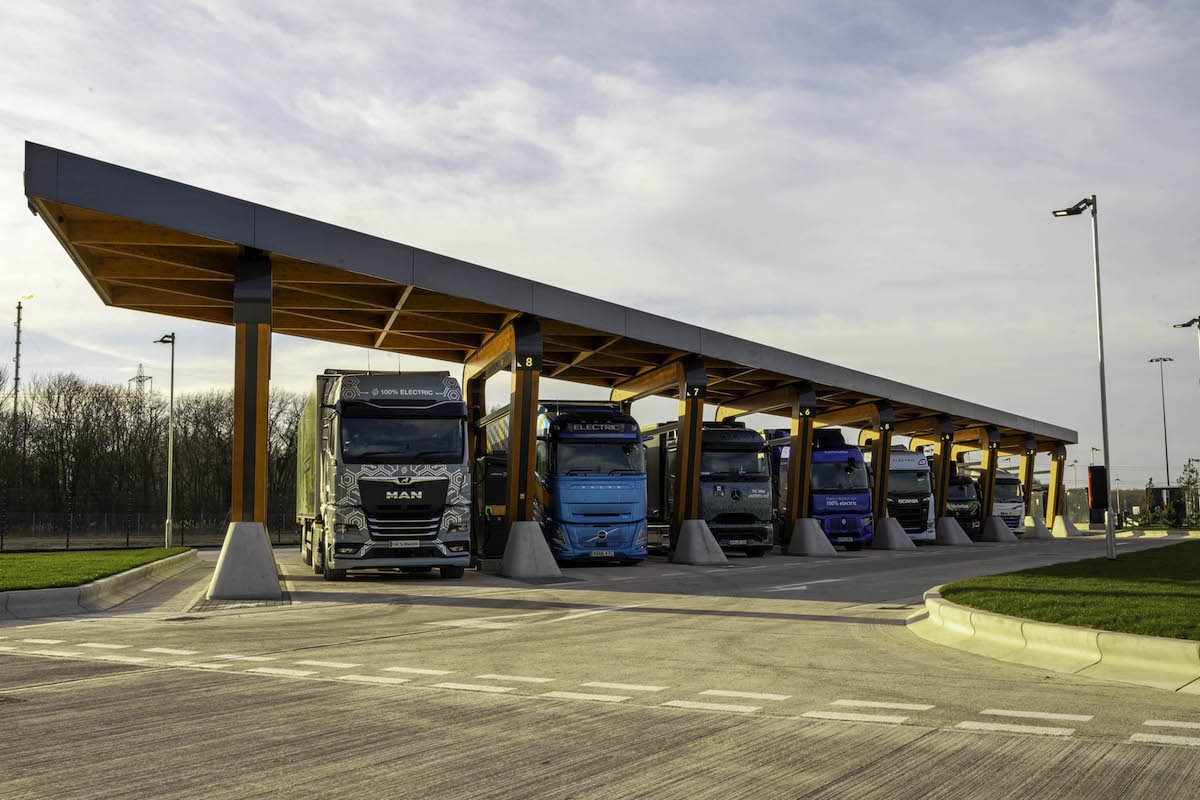
Vehicles and charging systems can now communicate directly, coordinating to optimise both energy usage and vehicle availability. For example, smart charging and integrated energy management systems automatically balance demand across multiple chargers, prioritising vehicles that need to be on the road sooner and aligning charging schedules with off-peak electricity rates. This ensures vehicles are ready when needed – without wasted energy or unnecessary costs.
As fleets integrate renewable energy and smart charging systems, they can scale sustainably reducing exposure to volatile energy markets and adapting seamlessly to policy or technology shifts without disruption.
The result is a fleet ecosystem that is self-optimising and significantly easier to manage. Improved uptime reduced administrative overhead, and enhanced energy efficiency all contribute to a leaner and more resilient operation. As more organisations transition to electric, the combination of data transparency, automation, and integration will redefine how fleets are run – transforming the role of the fleet manager from vehicle overseer to strategic operator.
First-Mover Advantage: From Cost to Competitive Edge
Electrification is fast becoming a marker of leadership in the transport and logistics industry. Early adopters are not only reducing costs but also strengthening their market position through innovation and accountability. Electric fleets communicate a clear message of progress and responsibility -qualities that attract investors, partners, and clients looking to align with sustainable operations.
As procurement criteria and public tenders increasingly prioritise low-emission solutions, early movers are securing access to new contracts, favourable financing, and policy incentives that late adopters may soon find out of reach. In short, electrification is evolving from a cost consideration into a strategic differentiator.
Future-Proofing Operations
Partnering with VEV helps organisations go beyond vehicle adoption – supporting them through the data, design, and delivery of complete electrification ecosystems. The result: future-ready fleets that perform efficiently today while remaining compliant, cost-effective, and competitive tomorrow.
Electric fleets are no longer a cost – they’re a competitive advantage.
If you would like to find out more, email us: ask@vev.com
November 2025