

Quick Summary
- 30-40% Lower Maintenance: Reducing moving parts can save up to £40,000 per bus annually.
- 14% Punctuality Boost: Data-led scheduling (as seen with Go-Ahead) is turning “digital assets” into reliable services.
- Topographical Parity: New 640 kWh systems ensure full-load performance even on steep inclines in cities like Sheffield or Lisbon.
Is More Electric Leading to Better Service?
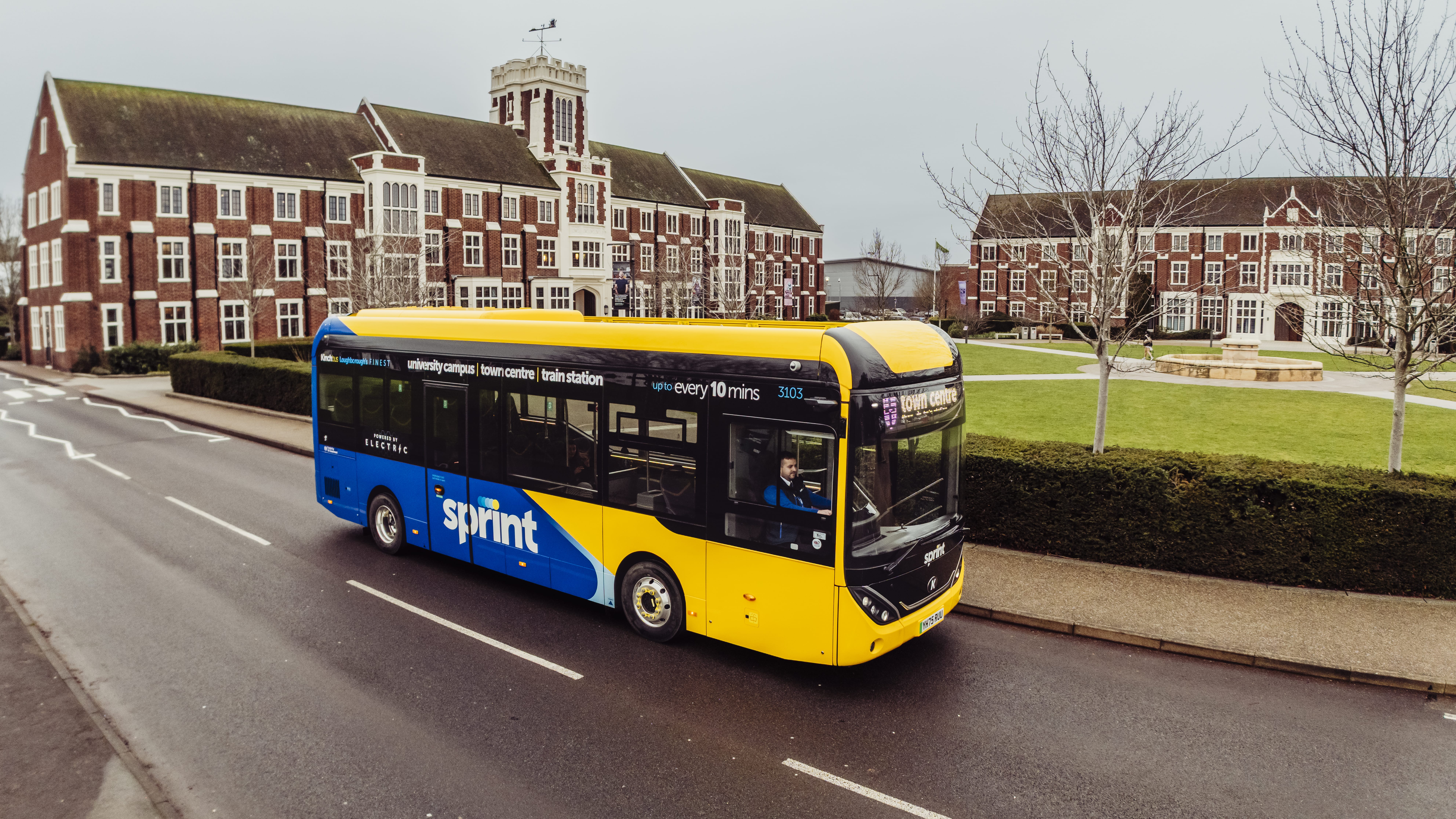
With nearly 50% of all new city buses being battery-electric, do battery-electric buses actually improve performance? Or are government grants and incentives to go electric producing a worse service?
Between January and September 2025, registrations of electric buses in the European Union reached 6,444 units – a 49% increase compared to the same period in 2024. When including the UK, that figure rises to 9,346 units, a 52% year-on-year jump. This surge has accelerated the ecosystem’s development; the UK’s EV repair workforce, for example, grew to over 66,700 qualified technicians by early 2025.
In this blog, I explore some key reasons why going electric improves operational performance and efficiency, creating a positive shift for both those riding the bus and those operating it.
How Have Attitudes Changed So Far?
For years, the conversation around electric buses in the UK and Europe was dominated by range anxiety and infrastructure hurdles. In recent years, government grants and incentives have driven businesses to start their journey, fleet managers now focus on how to scale electric operations.
As the European transport sector evolves, it is apparent that electric buses aren’t just a cleaner choice; they are a catalyst for smarter, more resilient operations. Battery-electric buses (BEBs) now accounting for nearly 50% of all new city bus registrations across the EU in 2024.
How Do Electric Buses Enhance Route Performance?
The performance characteristics of an electric motor are uniquely suited to the stop-start nature of European city centres. Unlike diesel engines, which struggle to produce peak torque at low speeds, electric motors provide maximum torque instantly.
This leads to several key operational advantages:
- Punctuality Gains: Go-Ahead analysed CitySwift’s electric fleet to support service planning, improve reliability, and better manage business resources. By using AI to optimise operations through the abundance of data that electric fleets provide, they were able to gain actionable insights into key performance metrics. Advanced monitoring hubs also contributed to a 14% improvement in punctuality on key routes.
- Regenerative Efficiency: On intensive urban routes, such as Nottingham’s recently completed 62-bus rollout, regenerative braking systems have recovered over 2.1 million kWh of energy, simultaneously reducing brake wear and extending service intervals.
- Consistent Power Delivery: This achieves operational parity in challenging terrain. In hilly cities like Sheffield or Lisbon, the latest generation of battery technology has solved the “peak load” challenge. Previously, early-generation electric buses could experience performance lag when fully loaded on steep gradients. Today’s 800 V+ architectures and advanced thermal management systems support schedule adherence. Electric buses can now maintain the same “climb speeds” as diesel counterparts, even with a full load of 80+ passengers, preventing the “timetable drift” that once plagued hilly routes.
Can Simplicity Drive Consistency? Rethinking the Maintenance Cycle
Battery electric buses have 30-40% lower maintenance costs compared to their diesel predecessors. To add, UK-based research highlights that operational efficiencies can translate to savings of up to £40,000 per bus annually when accounting for both reduced fuel and maintenance expenses.
This new era of engineering can be both unknown and untrustworthy by new fleet managers causing discussions around the reliability of electric buses, however this shouldn’t be the case, and I’ll delve into why.
Traditional Internal Combustion Engine (ICE) buses are complex machines. With thousands of moving parts – from intricate exhaust-treatment systems required by Euro VI standards to multi-stage transmissions – the opportunities for mechanical failure are high. Electric buses change the game through mechanical simplicity. By eliminating the engine, gearbox, and exhaust systems, the drivetrain becomes significantly more robust.
In the UK, where the second phase of the Zero Emission Bus Regional Areas (ZEBRA 2) scheme is currently delivering hundreds of new vehicles, operators are seeing fewer unscheduled workshop days and more revenue-generating hours.
Are You Measuring Reliability or Just Fixing Faults?
As electrification scales, the conversation around reliability is evolving. A 2025 study from the University of Bath found that while electric buses are significantly cheaper to operate – with maintenance costs roughly 30% to 40% lower than diesel models – some smaller or rural operators initially perceived reliability challenges. This isn’t because vehicles fail more often; in fact, the research highlights that for every 10-percentage-point drop in vehicle availability, an operator may need to increase their fleet size by 18% to 23% just to maintain service levels.
In practice, reliability in electric fleets is increasingly defined by data visibility and system integration, not component wear. Modern electric buses are essentially “digital assets” that generate continuous performance, battery health, and energy-use data. This shift is already yielding results: in major urban hubs like London, the integration of data-led scheduling has helped operators achieve a 14% improvement in punctuality compared with legacy systems.
In a market where diesel sales are expected to end as early as 2030 across several European nations, reliability is no longer about fixing faults faster – it’s about designing fleets that fail less and adapt faster. Operators investing now are building secure, insight-driven operations with stronger control over uptime, energy, and long-term risk.
The Bottom Line: Electrifying Your Fleet Will Be Better For Your Business.
It is clear that electrification is proven to be a business enabler. For the European bus vertical, the evidence in 2025 is overwhelming:
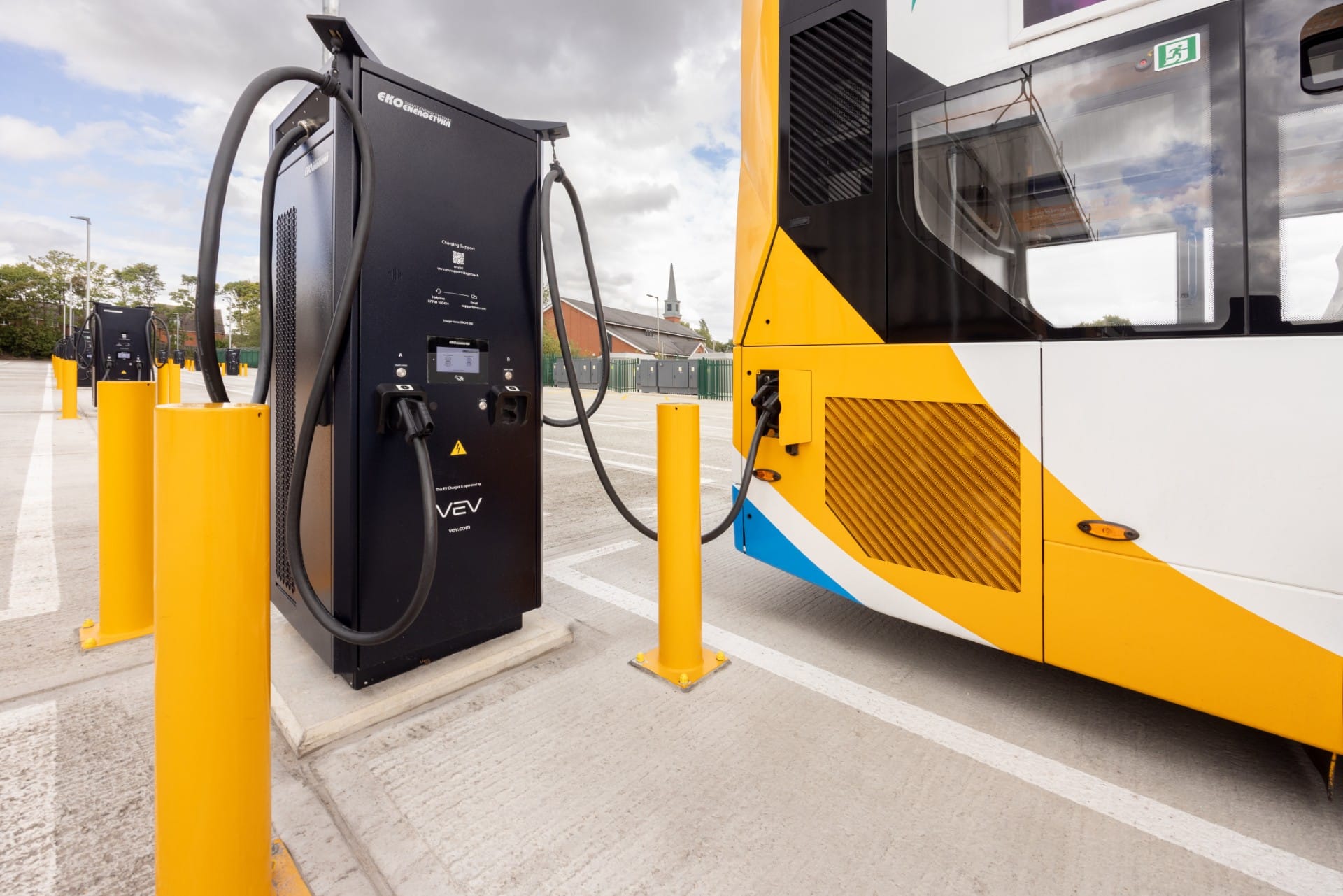
- TCO Parity: In high-diesel-cost markets like Finland, France, and Belgium, the Total Cost of Ownership (TCO) for electric buses is already more favourable than diesel. Bus operators need to look for a robust and trusted vehicle charging system to monitor their fleet, see our VEV-IQ platform which can help your fleet unlock these savings through smart charging and scheduling.
- Regulatory Resilience: With over 50 European cities targeting 100% zero-emission fleets by 2030, electric operators are the only ones guaranteed access to upcoming tenders.
- Market Leadership: The UK remains Europe’s largest buyer of zero-emission buses, with registrations surging by over 35% in 2024 alone.
Reliability is the foundation of any successful transit operation. By embracing the simplicity, performance, and data transparency of electric buses, UK and European operators are ensuing their business is not just sustainable, but superior.
To find out how we can help your fleet, contact us.
January 28, 2026